
 EN
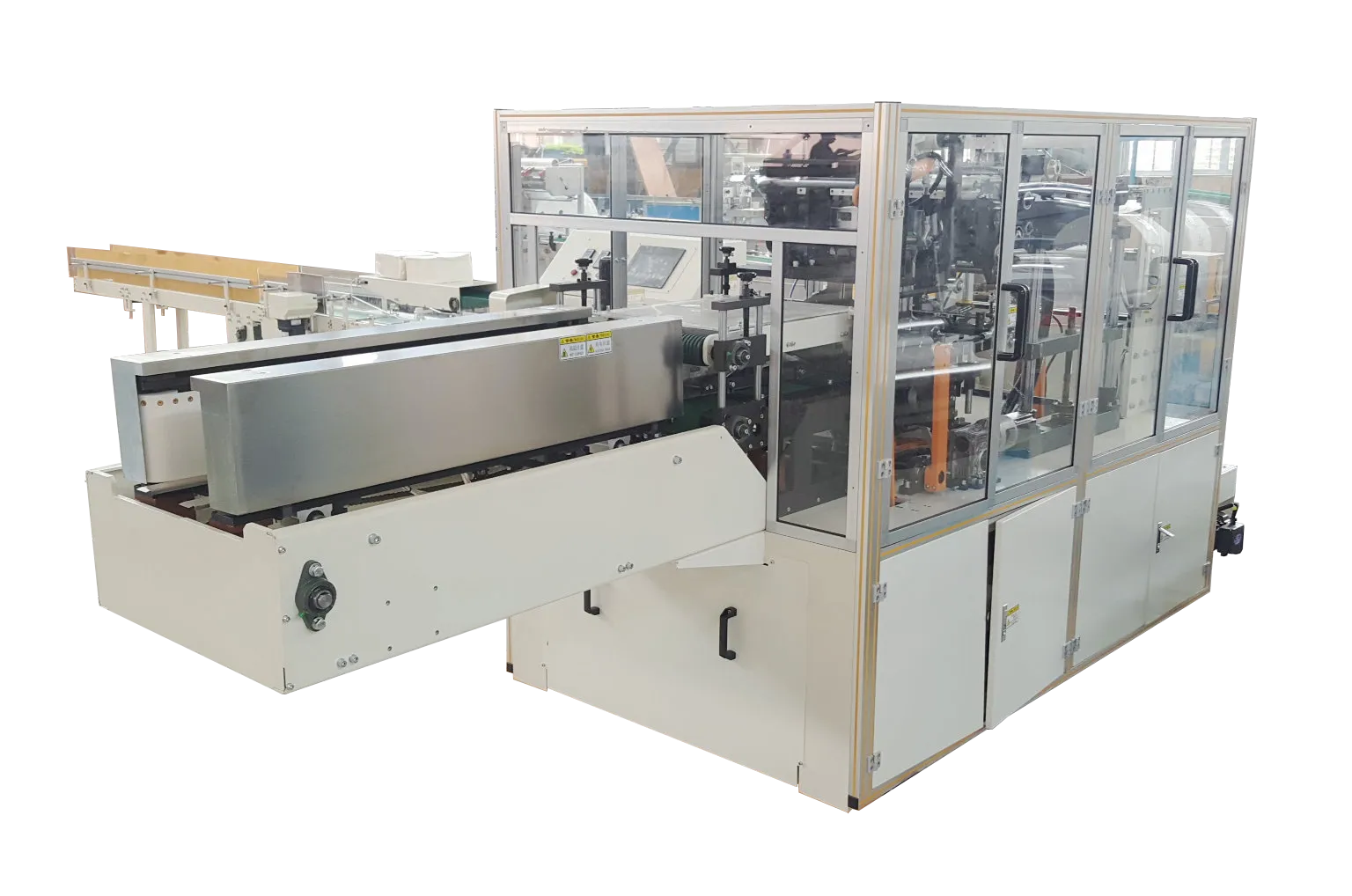
Why Small Workshops Need a Compact Paper Folding Machine
For small workshops, space and budget are at a premium—yet manual folding imposes hidden costs. According to the Office Productivity Institute (2023), administrative staff in micro-enterprises spend up to 12% of their time on document finishing tasks like folding, siphoning hours from revenue-generating work. A compact paper folding machine automates this bottleneck without monopolizing the workbench: modern desktop units are often narrower than a standard keyboard and can be stowed away when not in use.
Beyond reclaiming time, consistent fold quality elevates client-facing materials—from invoices and flyers to technical drawings—while handling diverse paper stocks (60–200 gsm). With processing speeds of up to 2,500 sheets per hour, even intermittent use delivers a swift return on investment by reducing repetitive strain injuries, misfolds, and rework. For craft studios, architectural firms, and local print shops, in-house folding means no longer turning away—or outsourcing—small-run jobs, keeping control over deadlines, quality, and margins.
Key Design Features of Modern Compact Paper Folding Machines
Modular Feed Systems and Toolless Adjustment for Rapid Job Switching
The ability to transition from a half-fold flyer to a tri-fold brochure in minutes is what separates a productive workshop from one that spends half its day on setup. Modern compact paper folding machines achieve this through modular feed systems and toolless adjustments. Removable feed trays with quick-lock cassettes allow operators to swap paper stacks—say, from 80 gsm bond to 200 gsm cardstock—without tools. Fold plates no longer require screwdrivers; instead, spring-loaded side guides and indexed setting knobs lock into place for standard folds in seconds.
A 2024 survey by the International Print Equipment Association found that toolless changeovers reduce setup time by an average of 40%, directly increasing daily throughput by up to 30% for shops handling fewer than 500 sheets per job. Built-in paper weight sensors auto-calibrate roller pressure, eliminating manual gap adjustments. Storing up to 30 custom job profiles in on-board memory further accelerates recall—enabling a 3-person workshop to manage morning invoices, afternoon event programs, and evening restaurant menus in a single shift.
Low-Noise, Low-Voltage Operation for Urban Workshop Compliance
Compact paper folding machines designed for urban use operate at noise levels comparable to a quiet office environment—typically 52–58 dB, measured at one meter. This is made possible by brushless DC motors and foam-lined casings that dampen vibration. In many cities, zoning regulations limit continuous noise to 65 dB during business hours; a 2022 audit by the Berlin Senate for Urban Development found that 85% of sampled small print shops using sub-60 dB folders received zero noise-related citations over two years.
Low-voltage 24 V control electronics enhance safety in shared spaces, eliminating hazardous high-voltage wiring and simplifying electrical inspections. Even when folding 200 gsm cardstock at peak capacity, sound output remains subdued—allowing normal-volume phone conversations beside the unit. Operators report improved focus and reduced fatigue, while an energy-saver mode cuts standby power to under 5 Watts, aligning with municipal green-building incentives and supporting responsible operation in dense urban micro-workshops.
Real-World Impact: Throughput and Workflow Gains in Micro-Workshops
For small workshops, even a single manual task can create a hidden bottleneck that throttles daily output. Shifting from hand-folding to a compact paper folding machine removes that constraint—often transforming a $30k/year side operation into a scalable revenue stream. In a survey of European micro-printshops, automated folding reduced per-job labour by 79% while cutting spoilage rates to below 1.5% (Industry Data 2023). These gains free up operators to focus on higher-value finishing or customer acquisition, directly lifting margin per order.
Case Study: 3-Person Berlin Print Workshop Achieves 4.2× Folding Throughput
A small print-and-bindery in Berlin, staffed by three full-time workers, faced daily backlogs folding 2,400 A4 newsletters by hand. The manual process consumed 3.2 hours per shift and produced an average of 40 misfolds per day—each requiring rework. After integrating a desktop-sized automated folder with modular feed and toolless job change, the same team folded the identical volume in just 46 minutes—a 4.2× throughput improvement. One-touch memory presets eliminated setup guesswork, and its 55 dB operation met the landlord’s noise restrictions.
Annual spoilage dropped by an estimated 8,400 sheets, saving roughly €380 in paper alone. The freed capacity let the workshop accept two new recurring contracts for trifold leaflets, boosting monthly revenue by 18%—without adding staff or workspace.
Smart Integration: Connecting Your Compact Paper Folding Machine into Hybrid Workflows
Small workshops often operate with a mix of digital printers, cutters, and bindery tools that function in isolation. Connecting these devices into a coherent hybrid workflow eliminates redundant data entry and manual job preparation. Integrating a compact paper folding machine with digital printers and cutters via standard interfaces unlocks data-driven workflows—enabling real-time monitoring of fold counts and machine status from a central dashboard and improving overall line efficiency.
Modern machines feature USB-C ports and support for Page Description Languages (PDLs) like PDF and PostScript, enabling direct job transfer and automatic fold pattern selection. This reduces reconfiguration time and minimizes human error—transforming a manual folding station into a streamlined node in the production chain, capable of receiving job tickets and reporting status without intervention.
USB-C and PDL Protocol Compatibility with Desktop Cutters and Digital Printers
Universal USB-C connectivity simplifies physical linking with desktop printers and cutters. More importantly, built-in PDL interpretation—supporting formats like PDF or PostScript—enables direct intake of print-job tickets. When a digital printer outputs a batch, the compact paper folding machine automatically reads embedded finishing settings and adjusts fold type and paper dimensions without operator input. This direct communication eliminates time-consuming manual setup and errors, keeping cycle times short for on-demand jobs.
USB-C’s ability to carry both data and power further reduces cable clutter in confined workshop spaces—enhancing overall workflow fluidity. Ultimately, such compatibility makes the paper folding machine a true hybrid workflow component, not an isolated appliance.
FAQs
What is the primary benefit of using a compact paper folding machine?
A compact paper folding machine saves time, improves fold consistency, and elevates the presentation quality of documents. It frees operators from repetitive manual folding tasks, helping workshops scale productivity while minimizing strain and errors.
How does toolless adjustment improve workflow efficiency?
Toolless adjustment reduces setup time by enabling operators to quickly change paper types and fold patterns without additional tools. This improves throughput and allows handling multiple job types seamlessly.
Are compact paper folding machines suitable for urban micro-workshops?
Yes, these machines are designed to operate quietly (52-58 dB) and use low-voltage electronics, making them suitable for urban environments with noise and safety regulations.
Can compact paper folding machines be integrated into hybrid workflows?
Absolutely. With USB-C connectivity and compatibility with Page Description Languages (PDLs), they can connect to printers and cutters, enabling automated data-driven workflows to save time and reduce manual errors.
What is the ROI on compact paper folding machines for small workshops?
The ROI is typically swift, as the machines improve folding speeds, reduce waste, and enable new revenue opportunities. Workshops often see labor savings and higher productivity, making the investment cost-effective within months.
Table of Contents
- Why Small Workshops Need a Compact Paper Folding Machine
- Key Design Features of Modern Compact Paper Folding Machines
- Real-World Impact: Throughput and Workflow Gains in Micro-Workshops
- Smart Integration: Connecting Your Compact Paper Folding Machine into Hybrid Workflows
-
FAQs
- What is the primary benefit of using a compact paper folding machine?
- How does toolless adjustment improve workflow efficiency?
- Are compact paper folding machines suitable for urban micro-workshops?
- Can compact paper folding machines be integrated into hybrid workflows?
- What is the ROI on compact paper folding machines for small workshops?
