
 EN
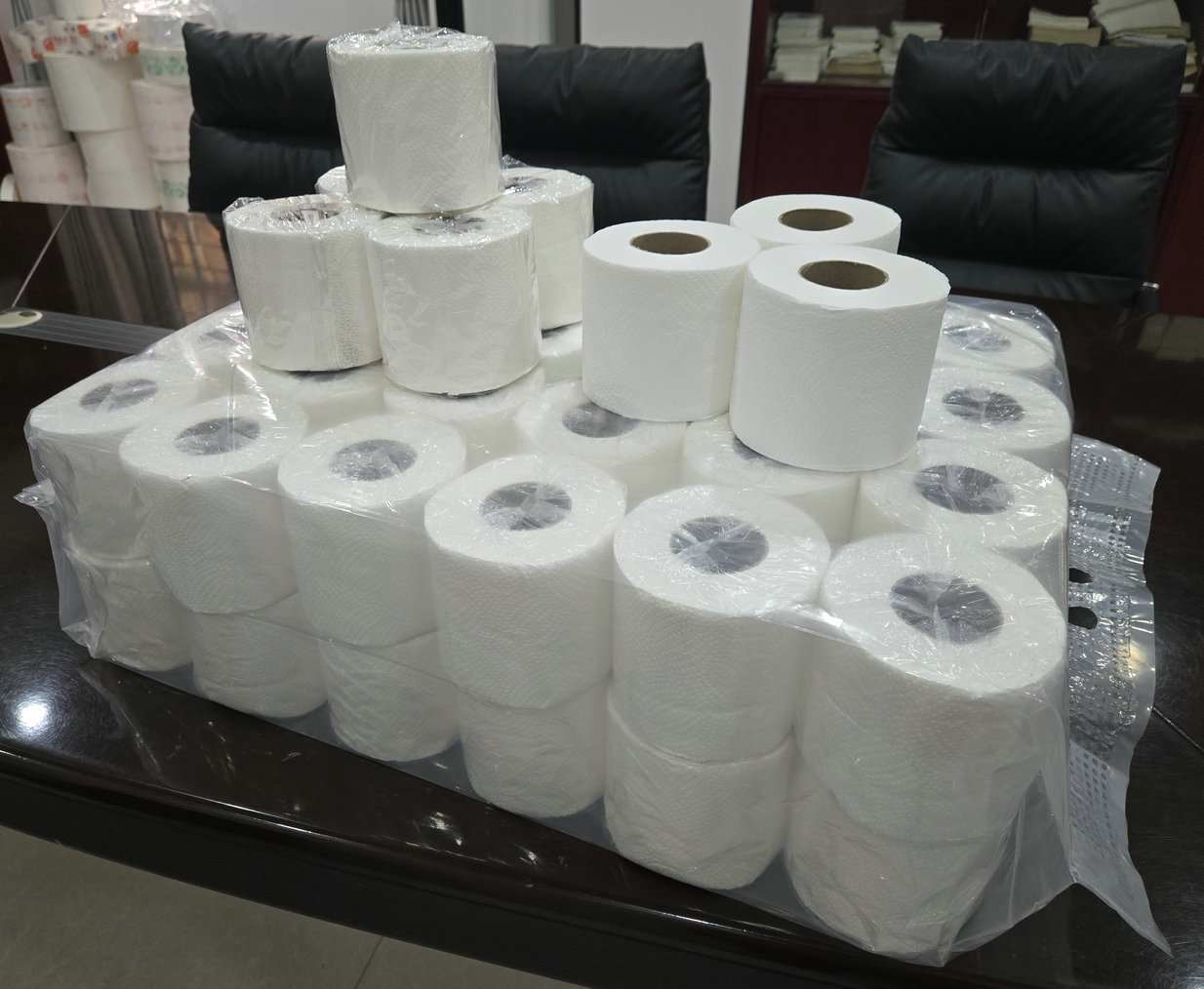
Why Multi-Pattern Capability Is Reshaping the Embossing Facial Tissue Machine Market
Rising Demand for Premium, Brand-Differentiated Facial Tissue in Retail and Hospitality
Multi-ply facial tissue is gaining rapid traction in premium retail and hospitality—driven by consumer demand for superior softness, durability, and sensory distinction. This shift compels manufacturers to move beyond commodity-grade products and invest in an embossing facial tissue machine capable of delivering intricate, brand-specific textures. Bespoke embossing transforms functional tissue into a tactile branding asset: distinctive patterns elevate perceived quality, justify price premiums, and strengthen shelf or guest-room differentiation. Critically, precision embossing also enhances multi-ply bonding—reducing sheet separation during use—a non-negotiable performance standard for luxury hotels and high-end retailers. With the global premium tissue market projected to grow at ~5% annually, rapid pattern customization has become the decisive capability for securing contracts and building loyalty through consistent, high-fidelity sensory experiences.
How Modular Die-Change Systems Eliminate Downtime During Pattern Switching
Historically, switching embossing patterns meant hours of downtime—changing heavy, solid rolls disrupted small-batch production and undermined economic viability for short-run, branded orders. Today’s advanced embossing facial tissue machine eliminates this bottleneck via modular die-change systems engineered for speed and repeatability. Using quick-release mechanisms and servo-driven alignment, these systems reduce pattern changeover from hours to minutes. The core innovation is lightweight, laser-engraved nickel sleeves mounted on standardized turrets—only the sleeve is swapped, not the entire roller—minimizing mechanical recalibration and misalignment risk. This agility enables seamless transitions between applications: a geometric motif for a hotel chain in the morning, a floral design for a limited-edition retail launch by afternoon. As a result, converters turn pattern flexibility from an operational constraint into a scalable service offering—one that supports just-in-time fulfillment, reduces inventory waste, and opens new revenue channels in brand-differentiated tissue.
Core Technical Innovations in Modern Embossing Facial Tissue Machines
Hybrid Micro/Macro Embossing: Balancing Softness, Bulk, and Tensile Strength
Modern embossing facial tissue machine platforms resolve the long-standing trade-off between softness and strength through hybrid micro/macro embossing. Traditional single-level embossing forces compromise: deep macro-patterns inflate bulk and plushness but damage fiber integrity; shallow patterns preserve tensile strength yet deliver flat, undifferentiated hand feel. The hybrid approach decouples these functions across two dedicated zones. A macro-embossing unit first applies a visible decorative pattern—such as quilted or geometric relief—to create air pockets for cushioning and visual luxury. Immediately downstream, a micro-embossing station overlays a dense, sub-millimeter dot pattern onto unembossed areas. This secondary texture restores up to 18% of the sheet’s original tensile strength by reinforcing inter-fiber bonding points—critical for high-speed folding, packaging, and reliable consumer pull-through. The outcome is a single sheet that delivers both the pillowy softness expected of premium tissue and the structural consistency required for industrial converting.
Precision Control: Servo-Driven Turrets, Laser-Engraved Nickel Dies, and ±2.3 µm Depth Tolerance
Consistent, repeatable embossing demands closed-loop precision—defined by a stringent ±2.3 µm depth tolerance, now achievable across full production runs. This level of fidelity begins with laser-engraved nickel sleeves: direct laser ablation creates seamless, distortion-free patterns with micron-level accuracy—eliminating the vibration and registration errors caused by mechanical seams in legacy tooling. These dies integrate with servo-driven turrets that replace rigid gear trains, enabling real-time, HMI-controlled phase adjustments between embossing and anvil rolls. During pattern changes, the system auto-zeros alignment—cutting setup time dramatically. Optical sensors continuously monitor embossed depth on the moving web, feeding data to micro-actuators that compensate instantly for thermal expansion or roll wear. The result is absolute tactile consistency: the millionth sheet carries the same depth, definition, and hand feel as the first—ensuring brand integrity across every batch and every market.
Beyond Tissue: Expanding ROI with Cross-Industry Applications of the Embossing Facial Tissue Machine
Packaging Adoption: 27% of New Installations Deployed in Premium Paper Packaging (PIRA 2023)
According to PIRA’s 2023 industry report, 27% of newly installed embossing facial tissue machines are now deployed in premium paper packaging—not tissue. Luxury brands increasingly rely on high-definition tactile textures to convey sophistication on cartons, wraps, and inserts—applying the same micro-structured patterns once reserved for facial tissue to rigid board and flexible substrates. Rapid die-change modules allow converters to switch from tissue to packaging board in under eight minutes, slashing changeover waste. Because servo-driven turrets maintain ±2.3 µm depth control even at higher grammages, logos and filigree remain crisp and legible—not just visually, but tactually. For end users, it’s the fingertips—not the eyes—that register quality first: a subtle embossed signature on a cosmetics box or fragrance wrap reinforces premium positioning before the product is even opened.
Tactile Branding: How Luxury Skincare and Cosmetics Leverage Tissue-Grade Embossing Precision
Luxury skincare and cosmetics brands are adopting tissue-grade embossing technology to embed proprietary tactile signatures into their unboxing experience. By applying micro-relief patterns (50–150 µm deep) to interleaving tissue or powder compact liners, they create a velvety, sensorially rich first touch that silently communicates craftsmanship and care. Leading beauty houses commission custom nickel dies—featuring motifs from botanical lace to minimalist monograms—knowing that physical interaction shapes perception before any ingredient claim is read. Crucially, the same embossing facial tissue machine platform can produce both hygienic facial tissue and decorative brand tissue, enabling converters to serve multiple verticals without additional capital investment. Quick-change magnetic cylinders further optimize utilization: one line handles a tissue contract in the morning and a cosmetic packaging run in the afternoon—all while maintaining ISO 12625 softness compliance and brand-specific tactile fidelity.
FAQ Section
What is an embossing facial tissue machine?
An embossing facial tissue machine is specialized equipment used to create textured patterns on facial tissues, enhancing their tactile feel, visual appeal, and brand differentiation.
Why is multi-pattern capability important?
Multi-pattern capability allows manufacturers to quickly switch between different designs, enabling customized branding, enhancing product quality, and supporting diverse customer needs without downtime.
How do modular die-change systems improve efficiency?
These systems enable rapid pattern changes by swapping lightweight, engraved sleeves instead of entire rollers, drastically reducing setup time and operational disruptions.
Can these machines be used outside of tissue production?
Yes, embossing facial tissue machines are increasingly being used in premium paper packaging, cosmetics branding, and other industries to create high-definition tactile textures.
