
 EN
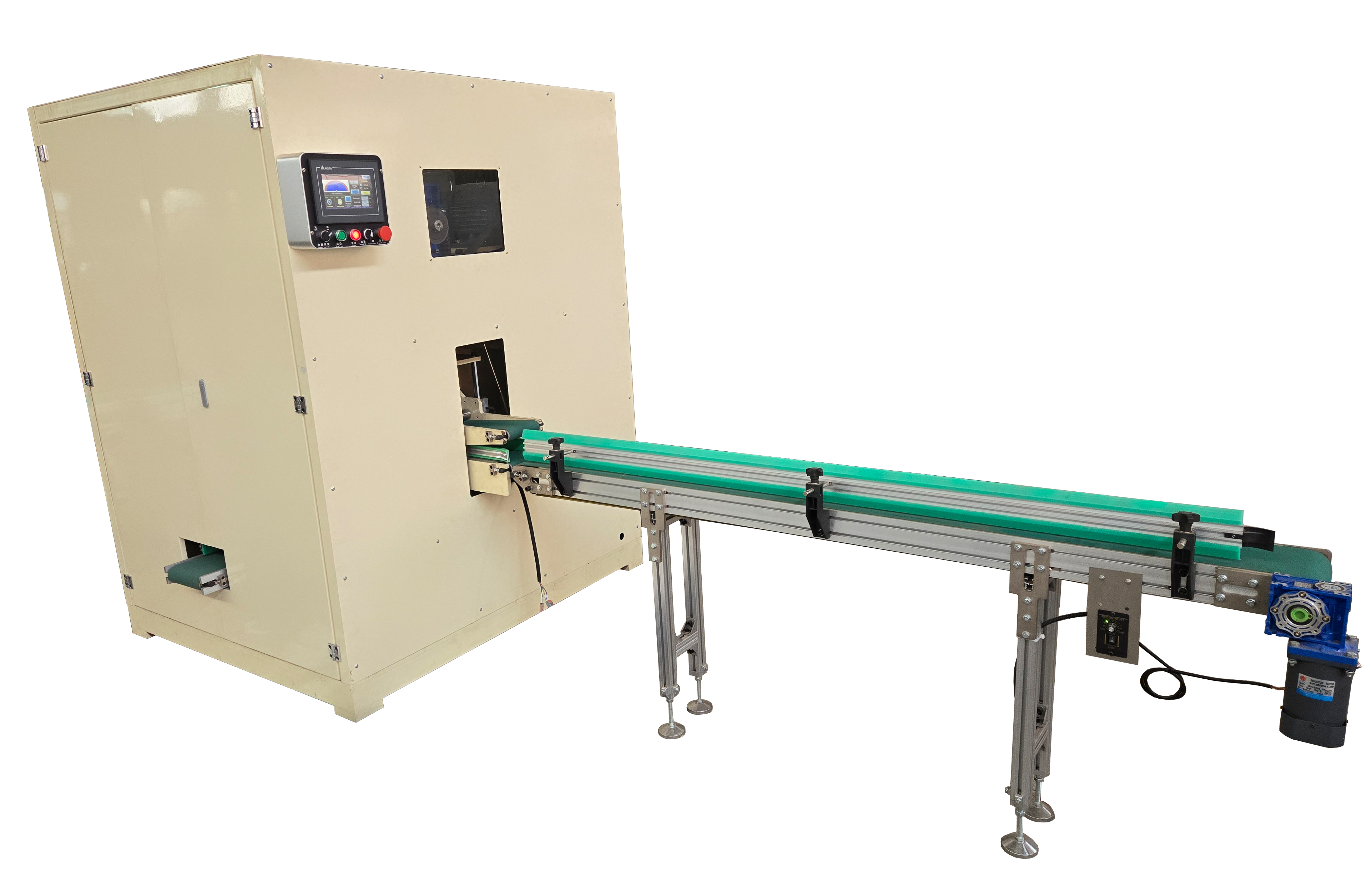
In modern tissue manufacturing, production efficiency depends not only on the speed of individual machines but also on how well converting, conveying, and packaging systems work together.
A high speed facial tissue machine must operate in coordination with downstream packaging equipment to maintain stable production. When machines operate independently, differences in speed, communication, and material handling can create production interruptions.
Integrated tissue production lines connect converting equipment, conveyors, packaging systems, and control platforms into a coordinated process. This approach helps manufacturers improve line stability, reduce manual intervention, and achieve more consistent output.
How Integrated Systems Reduce Production Bottlenecks
Traditional tissue production lines may experience efficiency losses when the converting section and packaging section operate separately. Speed differences between machines can lead to accumulation, waiting time, or unnecessary operator adjustments.
By integrating a facial tissue machine with automatic packaging systems, production parameters can be monitored and adjusted through a unified control system. The converting and packaging processes can respond more effectively to changes in production conditions.
Common benefits of integrated systems include:
Improved coordination between machines
Reduced manual handling requirements
More stable material transfer
Better production monitoring
Lower risk of unexpected interruptions
For tissue manufacturers with high production demands, equipment integration helps create a smoother and more reliable manufacturing process.
Control Systems and Communication in High Speed Tissue Production
Modern facial tissue machines increasingly rely on advanced control systems to improve synchronization between different production units.
Traditional equipment may use separate control systems for converting, conveying, and packaging. Without effective communication, operators may need to manually adjust different machines to maintain production balance.
Integrated control architectures allow equipment components to exchange operational information, including:
Machine speed
Production status
Warning signals
Parameter settings
Maintenance information
Industrial communication technologies such as PLC networks and industrial Ethernet help improve communication reliability between different machine sections.
For tissue manufacturers, better communication between machines supports faster response to production changes and simplifies operation management.
Automation Technologies Improving Facial Tissue Machine Performance
Automation plays an important role in improving the efficiency of high speed facial tissue production lines.
Modern integrated systems may include:
Automatic conveying systems
Servo controlled drives
Vision inspection systems
Robotic packaging solutions
Digital monitoring platforms
Vision systems can help identify product position, packaging alignment, or quality issues during production. Automated conveying systems help maintain smooth material flow between converting and packaging equipment.
These technologies reduce dependence on manual adjustments and help manufacturers maintain consistent product quality during continuous operation.
Intelligent Monitoring and Predictive Maintenance
As tissue production becomes more automated, data monitoring has become an important part of equipment management.
Sensors and control systems can collect information about machine operation, allowing operators to monitor equipment conditions and identify potential issues earlier.
Intelligent monitoring can support:
Production status tracking
Equipment performance analysis
Maintenance planning
Energy management
By using production data effectively, manufacturers can improve maintenance efficiency and reduce unexpected production interruptions.
Selecting an Integrated Facial Tissue Machine Solution
Choosing the right high speed facial tissue machine requires consideration of both production requirements and future expansion plans.
Important factors include:
Required production capacity
Tissue product specifications
Packaging requirements
Automation level
Machine compatibility
After sales technical support
A complete tissue production solution should not only focus on individual machine speed but also consider the overall performance of the production line.
For manufacturers producing facial tissues at commercial scale, an integrated converting and packaging system can help improve efficiency, simplify operation, and support long term production stability.
FAQ
What are the advantages of integrating a high speed facial tissue machine?
Integration helps coordinate converting and packaging processes, reducing manual operation and improving production stability.
Why is communication between tissue machines important?
Effective communication allows different equipment sections to share production information and respond more quickly to operating changes.
What automation systems are commonly used in facial tissue production lines?
Common systems include PLC control, automatic conveyors, servo drives, vision inspection, and intelligent monitoring solutions.
How does machine integration improve tissue production efficiency?
Integrated systems reduce process interruptions, improve coordination between machines, and help maintain consistent production output.
What should manufacturers consider when selecting a facial tissue machine?
Manufacturers should consider production capacity, tissue specifications, automation requirements, equipment compatibility, and technical support.
Table of Contents
- How Integrated Systems Reduce Production Bottlenecks
- Control Systems and Communication in High Speed Tissue Production
- Automation Technologies Improving Facial Tissue Machine Performance
- Intelligent Monitoring and Predictive Maintenance
- Selecting an Integrated Facial Tissue Machine Solution
-
FAQ
- What are the advantages of integrating a high speed facial tissue machine?
- Why is communication between tissue machines important?
- What automation systems are commonly used in facial tissue production lines?
- How does machine integration improve tissue production efficiency?
- What should manufacturers consider when selecting a facial tissue machine?
