
 EN
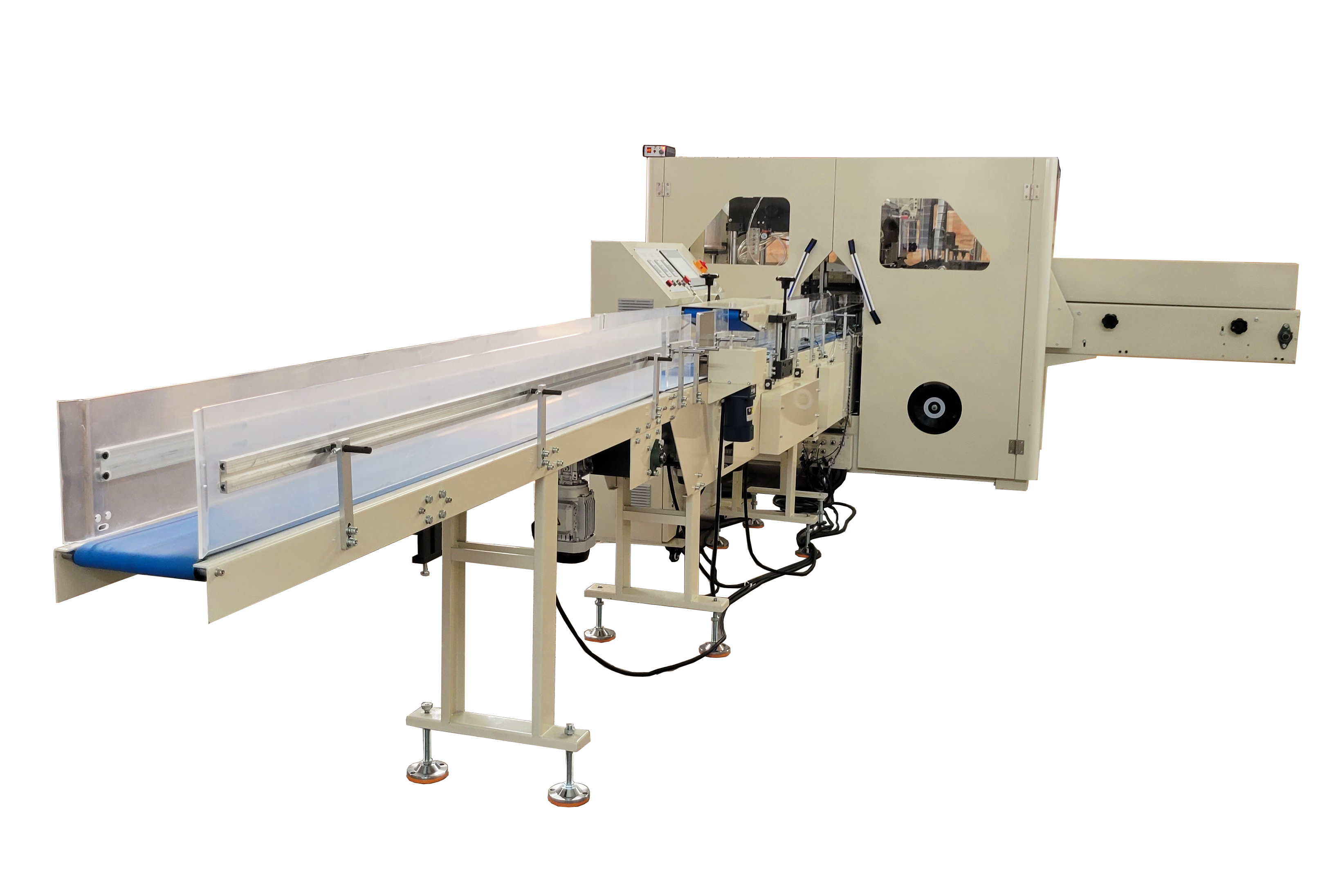
The performance of a toilet paper rewinding machine depends greatly on the accuracy of machine settings and the coordination between different control systems.
Parameters such as web tension, winding speed, paper alignment, and core positioning directly influence finished roll quality, including roll firmness, edge appearance, and winding stability.
Proper adjustment helps manufacturers reduce common problems such as loose rolls, uneven edges, paper breaks, and inconsistent product quality.
Tension and Winding Speed Control in Toilet Paper Rewinding
Web tension is one of the most important factors affecting the rewinding process. Stable tension helps the tissue paper maintain proper contact with the core and ensures uniform winding throughout the roll.
The ideal tension setting depends on several factors, including:
Paper grade
Ply structure
Parent roll condition
Finished roll requirements
If tension is too high, the paper web may become stressed, increasing the risk of breaks or overly tight rolls. If tension is too low, the finished roll may become loose or show uneven edges.
Winding speed should also be coordinated with tension control. During acceleration, normal operation, and deceleration, the machine needs to adjust tension to maintain smooth paper movement.
Modern toilet paper rewinding machines often use automatic tension control systems to monitor web conditions and maintain stable winding performance.
Paper Web Guidance and Alignment Control
Accurate paper guidance is essential for producing rolls with clean and consistent edges.
During rewinding, the paper web passes through multiple rollers and control points. Small alignment changes can affect the final roll appearance, especially during high-speed production.
Dancer arms and tension control devices help compensate for fluctuations caused by parent roll diameter changes or uneven paper feeding.
Proper adjustment of these systems helps:
Maintain stable web movement
Reduce paper wrinkles
Improve roll edge consistency
Lower the risk of production interruptions
Edge sensors are also widely used in modern rewinding equipment. They monitor paper position and allow automatic correction when the web moves away from the target position.
Regular sensor maintenance and calibration are important for maintaining stable machine performance.
Core and Shaft Settings for Stable Roll Formation
The connection between the paper core and rewinding shaft directly affects roll formation.
The air pressure of inflatable shafts should be adjusted according to:
Core material strength
Roll size
Finished product requirements
Insufficient pressure may cause core slipping during winding, while excessive pressure may damage the core or affect roll consistency.
In addition to shaft pressure, core quality is also important. Consistent core dimensions and good structural strength help ensure stable rotation and improve finished roll quality.
A well-matched core and shaft system supports smoother rewinding and reduces problems during high-speed operation.
Real-Time Monitoring and Automatic Control
Modern toilet paper rewinding machines increasingly use intelligent control systems to improve production stability.
Sensors and PLC control systems can monitor important operating conditions, including:
Web tension
Paper position
Roll diameter
Machine speed
Production status
Based on collected data, the machine can automatically adjust operating parameters to maintain consistent output.
Real-time monitoring also helps operators identify potential issues earlier, improving maintenance efficiency and reducing unnecessary downtime.
For large-scale tissue converters, automated control systems provide better consistency, easier operation, and improved production management.
Selecting the Right Toilet Paper Rewinding Machine
Choosing suitable rewinding equipment requires consideration of both product requirements and production conditions.
Important factors include:
Required production capacity
Tissue specifications
Roll dimensions
Automation requirements
Control system features
Maintenance support
A reliable toilet paper rewinding machine should provide stable operation while allowing flexible adjustment for different tissue products.
By optimizing machine settings and using suitable control technology, manufacturers can improve roll quality, reduce material waste, and achieve more efficient tissue production.
FAQ
Why is tension control important in a toilet paper rewinding machine?
Tension control affects roll firmness, edge quality, and winding stability. Proper adjustment helps prevent issues such as loose rolls, paper breaks, and uneven winding.
How does winding speed affect rewinding quality?
Winding speed must work together with tension control. Incorrect speed adjustment may create instability, affecting roll formation and production efficiency.
What is the function of a dancer arm in a rewinding machine?
A dancer arm helps maintain stable paper tension by compensating for changes during unwinding and rewinding.
Why are edge sensors used in toilet paper rewinding machines?
Edge sensors monitor paper alignment and help maintain consistent roll edges during production.
How can automatic control improve rewinding performance?
Automatic control systems monitor machine conditions and adjust operating parameters, helping maintain stable production and consistent product quality.
