
 EN
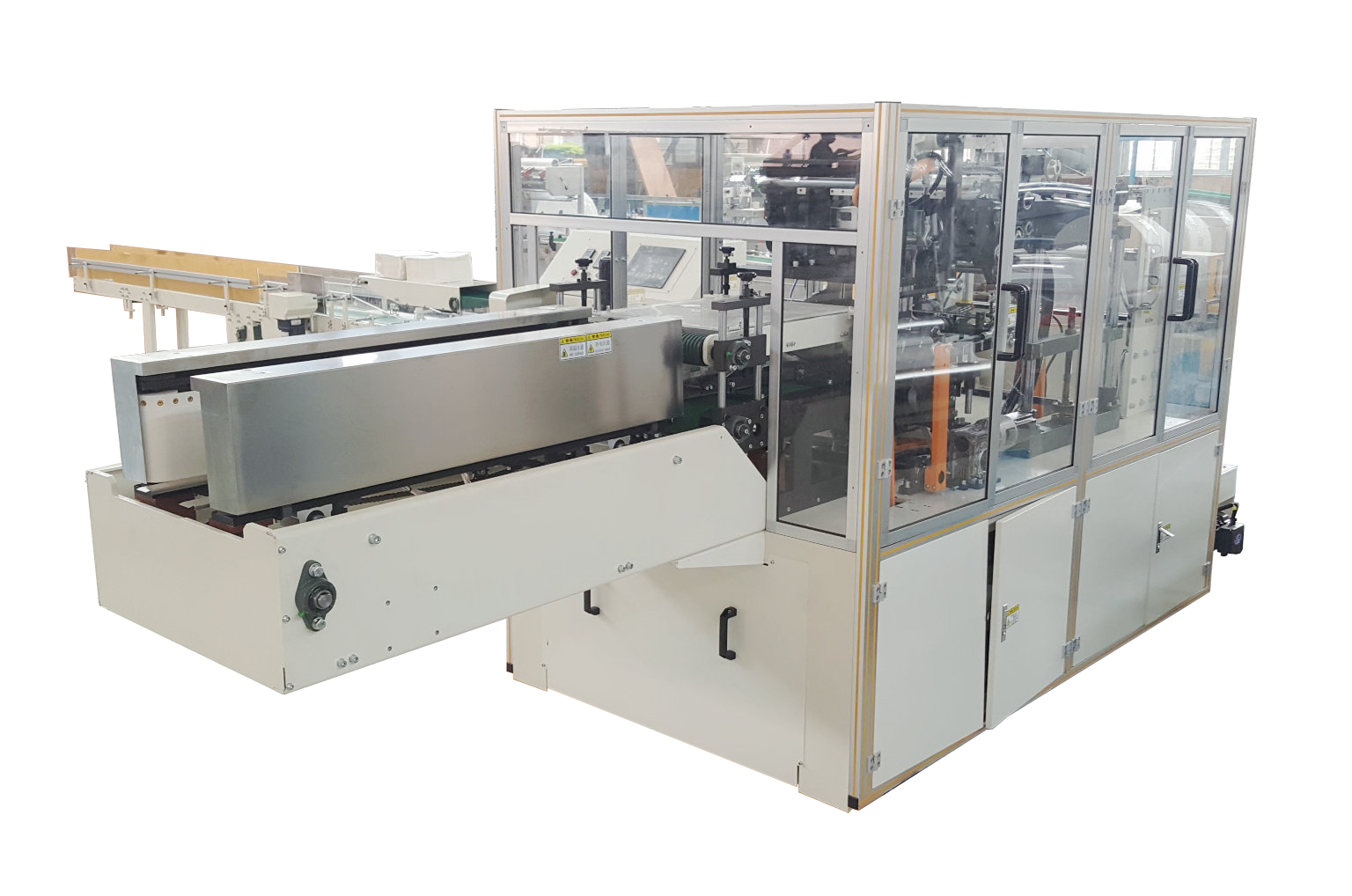
Choosing suitable tissue grades is an important factor in napkin paper production. The characteristics of the base paper directly influence machine configuration, production stability, embossing performance, and final napkin quality.
A well-designed napkin paper machine is usually configured to handle different tissue specifications according to customer requirements, including disposable table napkins, dispenser napkins, and premium embossed products.
Common Tissue Grades Used for Napkin Production
Lightweight Facial and Guest Napkin Tissue
Lightweight tissue is widely used for everyday napkins in restaurants, hotels, offices, and public facilities.
These tissues usually feature lower basis weight and simple ply structures, making them suitable for applications where softness, cost efficiency, and production speed are important.
When processing lightweight tissue, the napkin paper machine requires precise control of:
Paper tension
Fiber distribution
Creping condition
Folding accuracy
Short-fiber pulp is commonly selected to improve softness and surface smoothness, while machine settings need to maintain stable web handling and reduce production interruptions.
Premium Embossed and Laminated Napkin Tissue
Premium napkins typically use heavier tissue structures and multiple plies to achieve better thickness, softness, and absorbency.
Embossing creates a three-dimensional surface structure that improves appearance and helps increase the bulk of the finished napkin. Laminated structures combine multiple tissue layers to provide improved strength and a more comfortable user experience.
For these products, a napkin paper machine usually requires:
Stable multi-layer feeding
Accurate embossing alignment
Reliable folding performance
Consistent adhesive application when lamination is used
The final product quality depends on the balance between raw material selection and machine adjustment.
How GSM and Ply Structure Influence Machine Performance
GSM and ply number are important factors affecting napkin production.
Lower GSM tissue is generally easier to process at higher speeds because the web is lighter and requires less mechanical load. Higher GSM products provide more thickness and strength but may require more careful control of tension, drying, and folding processes.
Ply structure also affects:
Softness
Absorbency
Thickness
Folding appearance
Many standard napkin paper machines support common 1-ply to 4-ply production, while customized equipment can be developed for special multi-ply requirements.
Selecting the correct machine configuration according to the target product is essential for maintaining stable operation.
Creped and Embossed Tissue Processing
Creping is an important process for improving tissue softness and bulk. During creping, the paper structure is modified to create a softer hand feel and better flexibility.
Embossing further enhances the appearance and functional performance of napkins by creating surface patterns and increasing the three-dimensional structure of the sheet.
A modern napkin paper machine can integrate embossing and folding functions to improve production efficiency and maintain consistent product quality.
Different embossing designs can be selected according to:
Product positioning
Customer requirements
Paper thickness
Folding style
Tissue Grades That May Require Specialized Equipment
Although napkin paper machines are designed for tissue-based products, some materials may require different processing systems.
For example:
Airlaid materials
Special industrial wiping fabrics
High-strength specialty papers
Heavy-weight nonwoven materials
These products usually require different forming, bonding, or converting technologies.
Using suitable equipment for each material type helps manufacturers achieve better production stability and product consistency.
Selecting the Right Napkin Paper Machine for Different Tissue Grades
The best napkin paper machine configuration depends on the target product, raw material characteristics, and production requirements.
Important factors include:
Paper GSM range
Ply structure
Embossing requirements
Folding style
Production capacity
Automation level
For manufacturers producing disposable napkins, choosing equipment that matches the intended tissue grade can improve efficiency, reduce material waste, and maintain stable product quality.
FAQ
What tissue grades can a napkin paper machine process?
Most napkin paper machines can process various tissue grades used for disposable napkins, including lightweight and premium multi-ply tissues.
How does GSM affect napkin production?
GSM influences paper thickness, strength, softness, and machine operating conditions. Different GSM ranges require suitable machine adjustments.
Can a napkin paper machine produce embossed napkins?
Yes. Many modern machines can integrate embossing systems to improve appearance, bulk, and product performance.
What is the common ply range for napkin production?
Many commercial napkin machines are designed for 1-ply to 4-ply products, while customized solutions can support other requirements.
Why is tissue grade selection important?
The correct tissue grade helps manufacturers balance product quality, production efficiency, and operating costs.
Table of Contents
- Common Tissue Grades Used for Napkin Production
- Premium Embossed and Laminated Napkin Tissue
- How GSM and Ply Structure Influence Machine Performance
- Creped and Embossed Tissue Processing
- Tissue Grades That May Require Specialized Equipment
- Selecting the Right Napkin Paper Machine for Different Tissue Grades
- FAQ
