
 EN
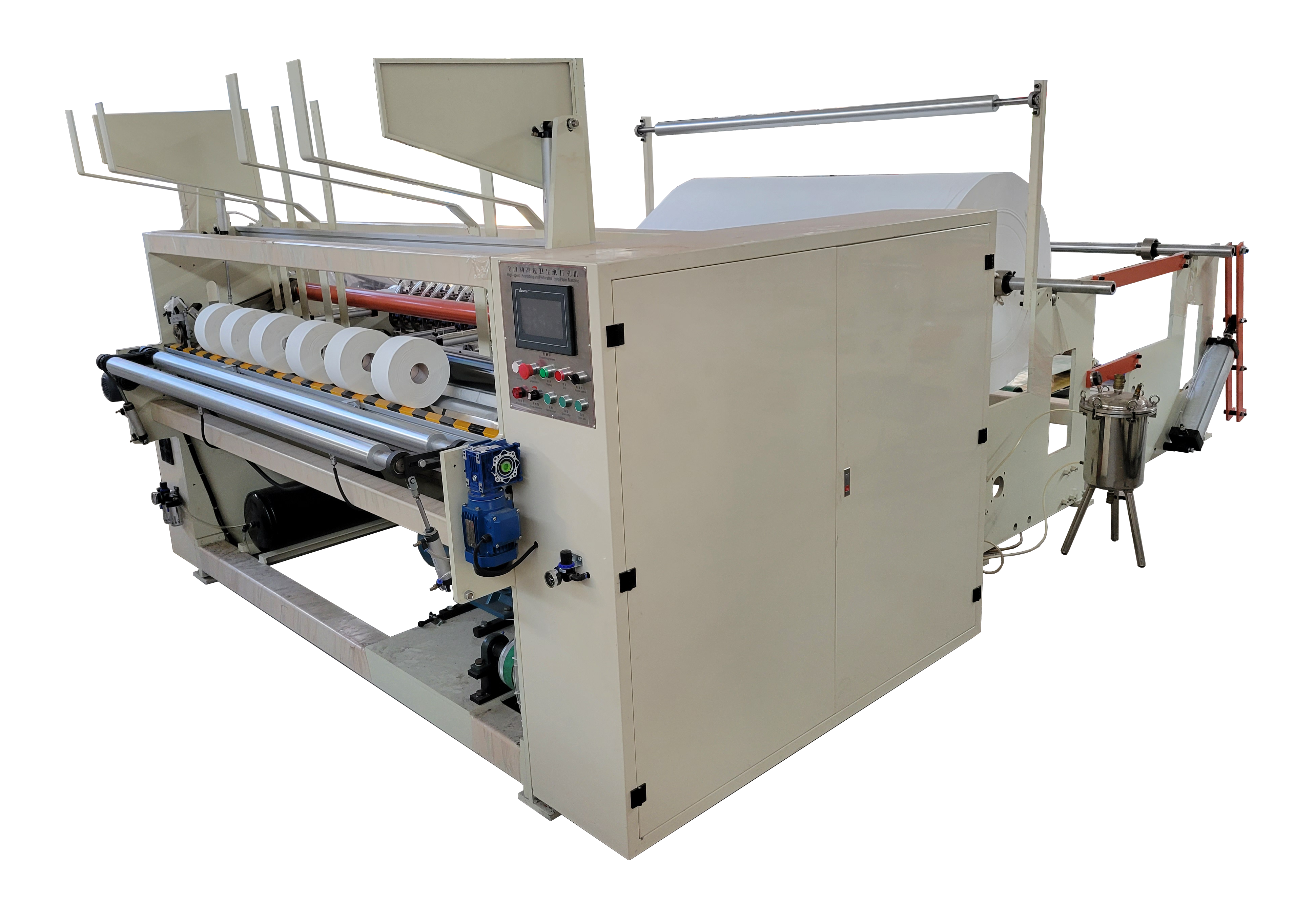
Fiber Structure and Material Selection Determine Oil Absorption Ability
The oil absorption performance of kitchen towels depends not only on the raw material itself but also on how fibers are processed and formed during production. A well-designed kitchen towel processing machine helps manufacturers control fiber distribution, web formation, and surface structure, which directly influence liquid absorption speed and retention capacity.
Polyester and rayon are commonly combined in absorbent towel production because they provide complementary characteristics. Polyester fibers offer strength, dimensional stability, and resistance to deformation, while rayon fibers provide excellent moisture absorption due to their cellulose structure.
By adjusting the ratio of different fibers, manufacturers can balance absorption speed, softness, strength, and production stability. The optimal composition depends on the final application, including household cleaning, industrial wiping, or commercial kitchen use.
A uniform fiber network is essential because uneven distribution may create weak areas, reduce liquid spreading efficiency, and affect the consistency of finished towels.
How Embossing and Web Formation Improve Oil Holding Capacity
Embossing is one of the important processes controlled by a kitchen towel processing machine. During embossing, the surface of the towel is shaped into specific patterns that increase contact area and create additional spaces for liquid retention.
Different embossing designs influence:
Surface texture
Oil spreading speed
Mechanical strength
Appearance quality
A properly adjusted embossing system can help create micro channels inside the towel structure. These channels improve the movement of oil through capillary action while reducing surface pooling.
However, excessive embossing pressure or unsuitable patterns may damage fiber bonding and reduce softness. Therefore, manufacturers need to balance embossing depth, roll pressure, and production speed according to material characteristics.
Modern kitchen towel production equipment allows precise control of embossing parameters, helping maintain stable product quality during continuous production.
Drying Process Control Affects Fiber Porosity and Absorption Performance
The drying stage plays an important role in maintaining the internal structure of absorbent towels.
During production, moisture removal must be carefully controlled. Excessive drying intensity may reduce fiber flexibility and affect the open structure required for liquid absorption. Insufficient drying may lead to unstable product quality and storage problems.
A reliable kitchen towel processing machine integrates temperature control, airflow management, and production speed adjustment to achieve consistent drying results.
The ideal drying conditions depend on several factors, including:
Fiber composition
Material thickness
Basis weight
Line speed
Production requirements
Precise drying control helps preserve the balance between absorbency, softness, and mechanical strength.
Surface Treatment Technologies for Improving Oil Affinity
Besides fiber selection and mechanical processing, surface treatment can further improve oil absorption characteristics.
Certain finishing technologies can modify fiber surface properties, improving the interaction between oil and the towel structure. These treatments should be selected carefully according to the intended application, especially when products are designed for food-contact environments.
For manufacturers, the key challenge is maintaining a balance between improved oil affinity and other requirements such as:
Safety compliance
Production efficiency
Cost control
Long-term product stability
A well-integrated production line allows finishing processes to be applied evenly, ensuring consistent performance across large production volumes.
Quality Control Methods for Absorbent Kitchen Towel Production
Consistent oil absorption requires continuous quality monitoring throughout manufacturing.
Important evaluation factors include:
Absorption speed
Liquid holding capacity
Tensile strength
Surface uniformity
Softness
Thickness consistency
Testing results help manufacturers adjust machine parameters and maintain stable production performance.
For kitchen towel manufacturers, equipment accuracy is closely connected with final product quality. A processing machine with stable feeding, precise embossing, controlled drying, and reliable operation helps reduce production variation and improve manufacturing efficiency.
Choosing the Right Kitchen Towel Processing Machine for Better Product Performance
Producing high-quality oil absorbing kitchen towels requires cooperation between material selection and equipment performance.
A suitable kitchen towel processing machine should provide:
Stable fiber handling
Uniform web formation
Adjustable embossing control
Efficient drying capability
Reliable production speed
Easy maintenance
By optimizing machine settings and production processes, manufacturers can produce kitchen towels with better absorption, improved strength, and consistent quality.
For companies producing disposable cleaning products, industrial wipes, and absorbent towels, selecting the right processing equipment is an important step toward improving product competitiveness and meeting changing market requirements.
FAQ
What materials are commonly used for absorbent kitchen towels?
Polyester and rayon are commonly used because they provide a balance of strength, softness, and liquid absorption. The final material selection depends on product requirements.
How does embossing improve kitchen towel performance?
Embossing creates surface patterns that increase contact area and improve liquid distribution, helping towels absorb and retain more oil.
Why is drying control important in towel production?
Proper drying maintains fiber structure and product stability while helping achieve consistent softness and absorption performance.
Can a kitchen towel processing machine improve product quality?
Yes. A well-designed machine helps control fiber forming, embossing, drying, and finishing processes, which directly affect finished towel performance.
What should manufacturers consider when selecting a kitchen towel machine?
Manufacturers should evaluate production capacity, material compatibility, process stability, energy efficiency, and maintenance requirements when selecting
equipment.
Table of Contents
- Fiber Structure and Material Selection Determine Oil Absorption Ability
- How Embossing and Web Formation Improve Oil Holding Capacity
- Drying Process Control Affects Fiber Porosity and Absorption Performance
- Surface Treatment Technologies for Improving Oil Affinity
- Quality Control Methods for Absorbent Kitchen Towel Production
- Choosing the Right Kitchen Towel Processing Machine for Better Product Performance
-
FAQ
- What materials are commonly used for absorbent kitchen towels?
- How does embossing improve kitchen towel performance?
- Why is drying control important in towel production?
- Can a kitchen towel processing machine improve product quality?
- What should manufacturers consider when selecting a kitchen towel machine?
