
 EN
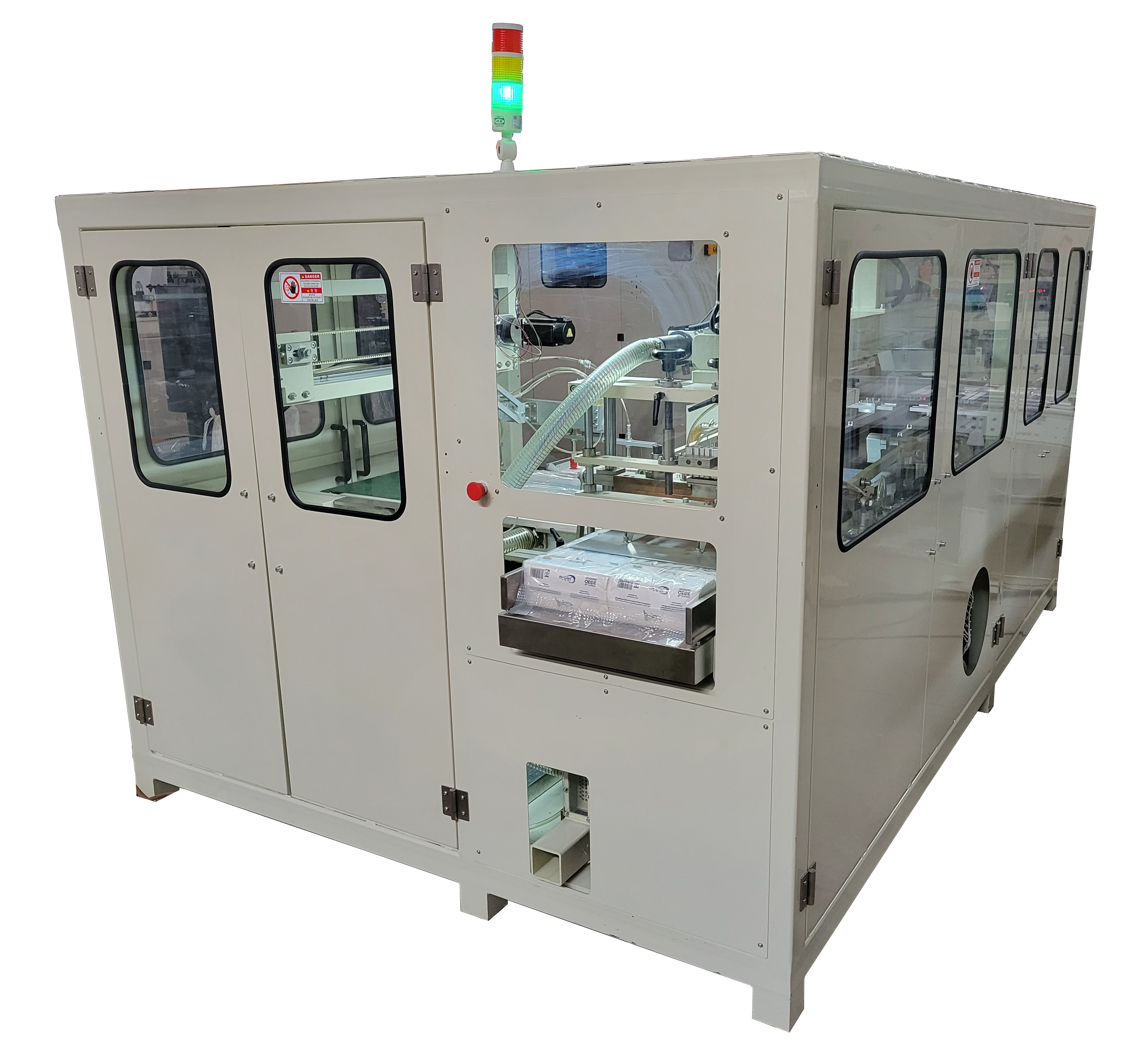
Real Overseas Factory Production Case of Mismatched Jumbo Roll Raw Material
Our technical service team from Quanzhou Xinda Machinery has delivered on-site commissioning and production optimization guidance for tissue factories distributed across the Middle East, Africa, South America and CIS regions over the past decade, accumulating many real production losses caused by choosing raw materials that do not match the parameters of toilet roll machine. A medium-sized hygiene paper factory in East Africa purchased our full-automatic PLC-controlled toilet roll machine three years, planning to launch economical bulk toilet rolls targeting local rural markets. The factory procurement team only focused on the low unit price of jumbo rolls and purchased a batch of low-grade recycled pulp base paper with excessive short fiber content without consulting our technical engineers to confirm raw material adaptability. After putting this jumbo roll on the toilet roll machine for trial winding, a series of continuous production failures appeared within two hours of startup: frequent paper breakage during high-speed rewinding, severe paper dust accumulation on embossing components, unstable ply lamination, and a large number of loose coreless toilet rolls that could not meet packaging standards. The factory had to suspend mass production and clean the whole equipment every hour, and the waste rate of semi-finished products soared to more than 22%, which directly cut factory profit margin sharply. After our overseas technical personnel arrived at the site to sort out the problem, we recommended adjusting the raw material formula to 70% standard recycled pulp mixed with 30% softwood long fiber pulp matched with the operation parameters of the toilet roll machine. After replacing the matched jumbo roll raw material, the paper breakage rate dropped to less than 0.8%, the equipment continuous operation time was extended to more than 12 hours without shutdown cleaning, and the finished product yield returned to normal standard level. This on-site service case fully proves that raw material fiber composition, gram weight and physical indicators must match the mechanical design threshold of toilet roll machine, and our factory’s pre-supply raw material matching consultation service can help overseas customers avoid unnecessary production loss from the source. As a national high-tech enterprise with over 40 years of tissue machinery R&D experience and 34 independent patents, we reserve raw material adaptability test data for all types of toilet roll machine models, and provide targeted raw material matching suggestions free of charge for every purchasing customer according to local market positioning.
Professional Classification & Processing Adaptability Analysis of Main Raw Materials for Toilet Roll Machine
Combined with thousands of production debugging records of our R&D department, there are four mainstream jumbo roll raw materials that can stably adapt to different configurations of toilet roll machine, each with unique fiber physical characteristics and applicable machine matching standards, which we sort out through long-term machine parameter matching experiments. The first category is mixed virgin wood pulp jumbo rolls, blending long-fiber softwood pulp and short-fiber hardwood pulp in fixed proportions; long fibers provide vertical tensile strength to prevent paper breakage during high-speed rewinding of the toilet roll machine, while short fibers enhance surface softness and embossing presentation effect, which is the most matched raw material for high-speed multi-layer embossing toilet roll machine developed by Xinda. The second mainstream raw material is qualified industrial recycled pulp jumbo roll, which goes through complete deinking, fiber screening and impurity removal processes; it is suitable for single-layer economical toilet roll machine with moderate running speed, but raw materials with excessive secondary short fibers and residual ink impurities will exceed the dust removal load of the machine’s internal air suction system and trigger frequent shutdown maintenance. The third widely promoted eco-friendly raw material is bamboo pulp jumbo roll, whose fiber toughness and bulk degree are between virgin wood pulp and standard recycled pulp, and it can perfectly match our customized non-standard energy-saving toilet roll machine with medium speed, especially favored by markets that emphasize green and biodegradable household paper products. The fourth auxiliary mixed raw material is bagasse pulp, usually mixed with 15% to 25% proportion in virgin pulp or recycled pulp to reduce raw material cost, and it can only be used on our upgraded toilet roll machine with enhanced tension control module, otherwise uneven fiber distribution will cause winding deviation during production. TAPPI Tissue Converting Standard Section issued fiber adaptability test data in 2025, pointing out that the key physical indicators affecting the stable operation of toilet roll machine include fiber average length, wet tensile strength and ash content, and all our toilet roll machine series are equipped with adjustable tension frequency conversion motors and dust removal structures aiming at different raw material ash and fiber difference ranges, which is one of the core design advantages formed by our over 40 years of machinery manufacturing experience starting from the 1980s.
Matching Standards Between Raw Material Physical Indicators and Toilet Roll Machine Hardware Configuration
Many small and medium tissue factory operators only pay attention to the purchase price of jumbo roll raw materials, ignoring the matching threshold of raw material gram weight, fiber tensile force and machine rewinding speed, which will lead to long-term equipment wear and unstable finished product quality. Every model of toilet roll machine manufactured by Xinda has a clear raw material gram weight adaptation range preset in the PLC control program of touch screen, covering lightweight 12gsm thin single-layer jumbo rolls to heavy 38gsm multi-layer embossed jumbo rolls. If customers adopt raw materials lower than the minimum gram weight standard matched with the machine, the paper base will be too thin to bear the embossing pressure of the embossing roller on the toilet roll machine, resulting in through holes on finished toilet paper; if raw materials exceed the upper gram weight limit, the rewinding torque of the frequency conversion motor will be insufficient, causing loose roll core and uneven outer diameter of finished products. In terms of fiber tensile matching, our R&D team sets three adjustable tension modes for the toilet roll machine’s unwinding stand corresponding to three raw material grades: high tension mode for pure virgin wood pulp with strong tensile force, medium tension mode for bamboo mixed pulp, and low buffer tension mode for recycled pulp with weak fiber tensile force. The unwinding stand is equipped with real-time tension sensing sensors independently developed by our patented technology, which automatically adjust the unwinding speed according to raw material fiber resistance to avoid paper breakage. For customers who plan to switch multiple raw material formulas in one production line, we can carry out targeted non-standard customization on the toilet roll machine’s tension transmission system during equipment production, adding multi-mode one-key switching function on the HMI screen to reduce parameter debugging time when replacing jumbo roll raw materials. Covering a factory building area of more than 12,000 square meters, our production workshop reserves independent raw material matching test stations for each machine before delivery, and conducts continuous winding test with customers’ local conventional jumbo roll samples before shipment to lock the most stable production parameters in advance, greatly lowering the trial production failure risk after overseas customers receive the toilet roll machine.
Authoritative Industry Expert Guidance on Raw Material Selection for Different Market Positioning of Toilet Roll Machine
Mr. Ethan Moore, senior tissue converting equipment and fiber matching expert of TAPPI International Tissue Association with more than 32 years of industry research experience, released a targeted raw material selection guide for household paper converting equipment in 2026, and specifically analyzed the raw material matching logic of toilet roll machine for different regional market demands. He pointed out that for commercial bulk toilet roll production oriented to supermarkets, hotels and public facilities, standard mixed recycled pulp jumbo rolls are the most cost-effective matched raw materials, which can fully exert the high yield advantage of medium-speed standard toilet roll machine and control overall raw material cost; for high-end household toilet rolls sold in chain supermarkets and boutique retail channels, virgin wood pulp mixed jumbo rolls are the optimal choice, which can cooperate with Xinda high-speed embossing toilet roll machine to produce clear multi-layer emboss patterns, improve product texture and add retail premium space; for emerging eco-consumer markets in South America and Southeast Asia, bamboo pulp jumbo rolls are the mainstream matching raw materials, which cater to local consumers’ pursuit of sustainable biodegradable household paper, and can operate stably on our energy-saving low-noise toilet roll machine optimized for plant fiber raw materials. Moore also reminded global tissue manufacturers that blindly pursuing ultra-low-cost inferior raw materials will bring three hidden long-term losses: accelerated abrasion of the embossing roller surface of toilet roll machine, frequent replacement of tension sensor wearing parts, and high waste rate reducing total output value, and the comprehensive economic loss often far exceeds the temporary raw material cost saving. As a Grade A tax-paying national high-tech enterprise, Xinda Machinery integrates this professional fiber-machine matching logic into the whole set of pre-sale technical consultation, and our multilingual sales and technical team will formulate exclusive raw material collocation plans for customers according to local consumer preferences, raw material supply chain conditions and toilet roll machine configuration selected by customers, avoiding blind raw material procurement decisions without professional data support.
Long-Term Stable Production Raw Material Matching Operation Suggestions Supporting Toilet Roll Machine Full Service Life
To extend the complete service life of toilet roll machine and maintain consistent finished toilet roll quality in long-term mass production, our after-sales technical team summarizes a set of operable raw material matching operation norms based on global customer factory production data, covering raw material incoming inspection, production parameter linkage adjustment and daily equipment maintenance matched with different raw materials. First, factories need to set up simple raw material incoming testing links before jumbo rolls are put on the toilet roll machine, focusing on detecting fiber ash content and dry tensile strength; if the ash content of recycled pulp jumbo rolls exceeds the standard, increase the daily cleaning frequency of the machine’s internal dust removal box to prevent ash accumulation from blocking the embossing gap and affecting embossing definition. Second, when switching different raw material formulas for production on the same toilet roll machine, operators must call the pre-stored tension parameter mode on the touch screen first, and conduct 30 minutes of low-speed trial winding before switching to full-speed mass production to adjust embossing pressure and unwinding auxiliary speed synchronously according to raw material softness difference. Third, targeted daily maintenance items need to be adjusted according to long-term fixed production raw materials: factories using virgin wood pulp raw materials only need to clean the embossing roller surface with soft air blowing once per shift; factories running recycled pulp jumbo rolls for a long time need to disassemble and clean the internal air suction pipeline of the toilet roll machine every three working days to remove accumulated paper ash impurities; factories adopting bamboo mixed pulp raw materials need to add dedicated fiber lubricant to the unwinding slide rail every week to reduce fiber friction wear on transmission components. We build a complete global spare parts supply network covering the Middle East, Africa, South America and CIS regions, and can deliver matched embossing rollers, tension sensors and dust removal accessories for toilet roll machine to customers in a short time when long-term use of mismatched raw materials causes component abrasion. Meanwhile, we provide permanent remote video technical guidance for all customers purchasing our toilet roll machine, and technical engineers can remotely guide raw material formula adjustment and machine parameter optimization at any time when customers encounter unstable production caused by jumbo roll raw material changes, effectively reducing production downtime loss brought by raw material replacement.
Table of Contents
- Real Overseas Factory Production Case of Mismatched Jumbo Roll Raw Material
- Professional Classification & Processing Adaptability Analysis of Main Raw Materials for Toilet Roll Machine
- Matching Standards Between Raw Material Physical Indicators and Toilet Roll Machine Hardware Configuration
- Authoritative Industry Expert Guidance on Raw Material Selection for Different Market Positioning of Toilet Roll Machine
- Long-Term Stable Production Raw Material Matching Operation Suggestions Supporting Toilet Roll Machine Full Service Life
