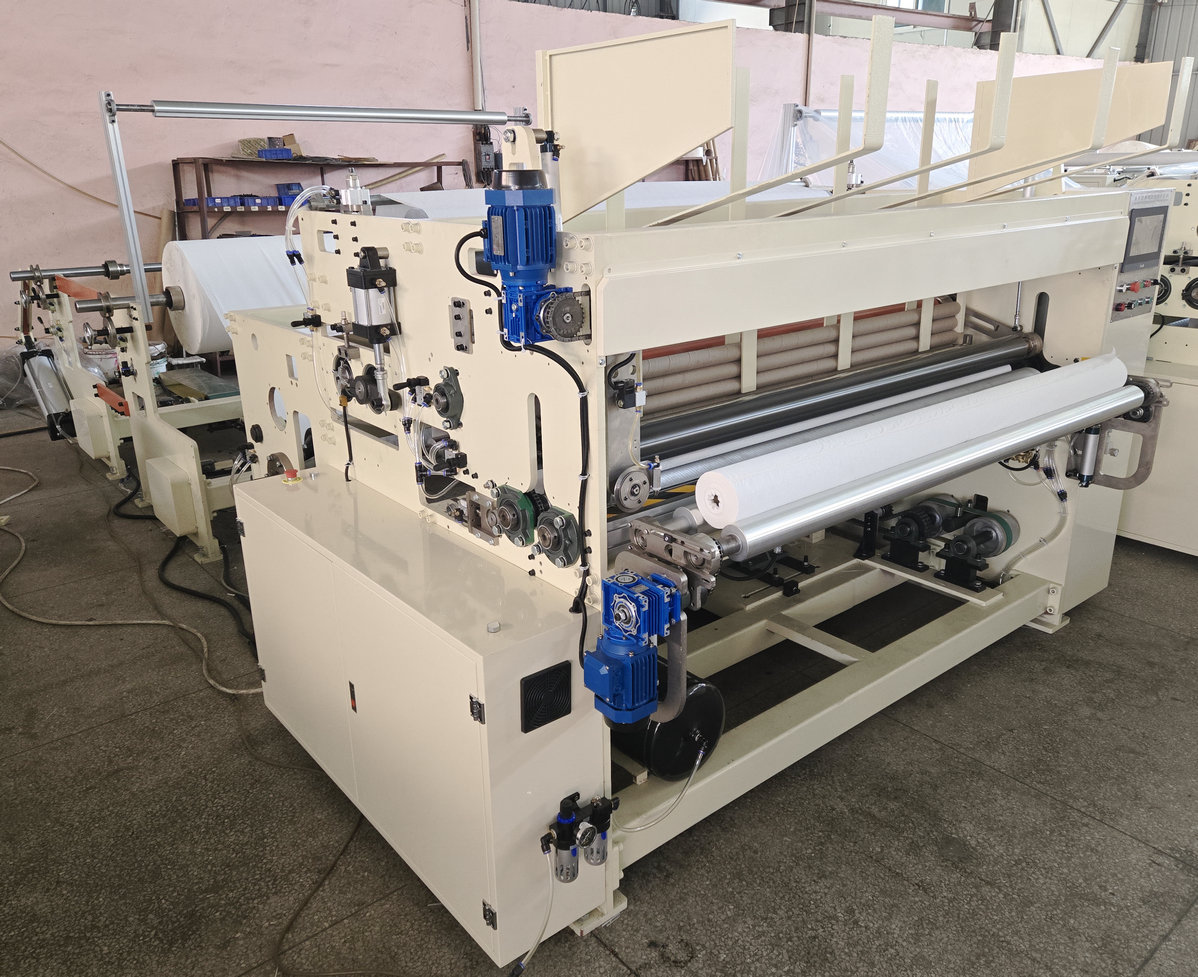
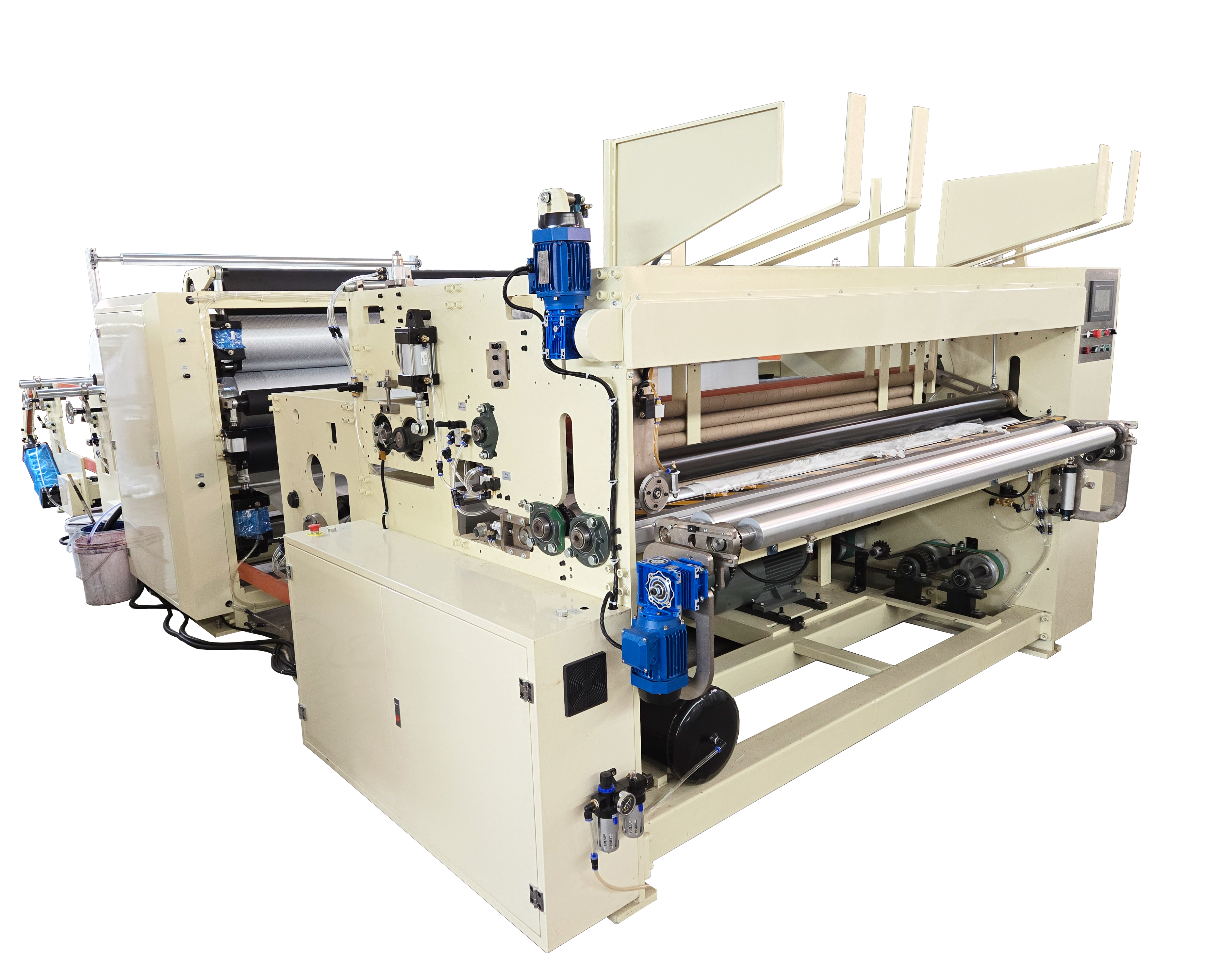
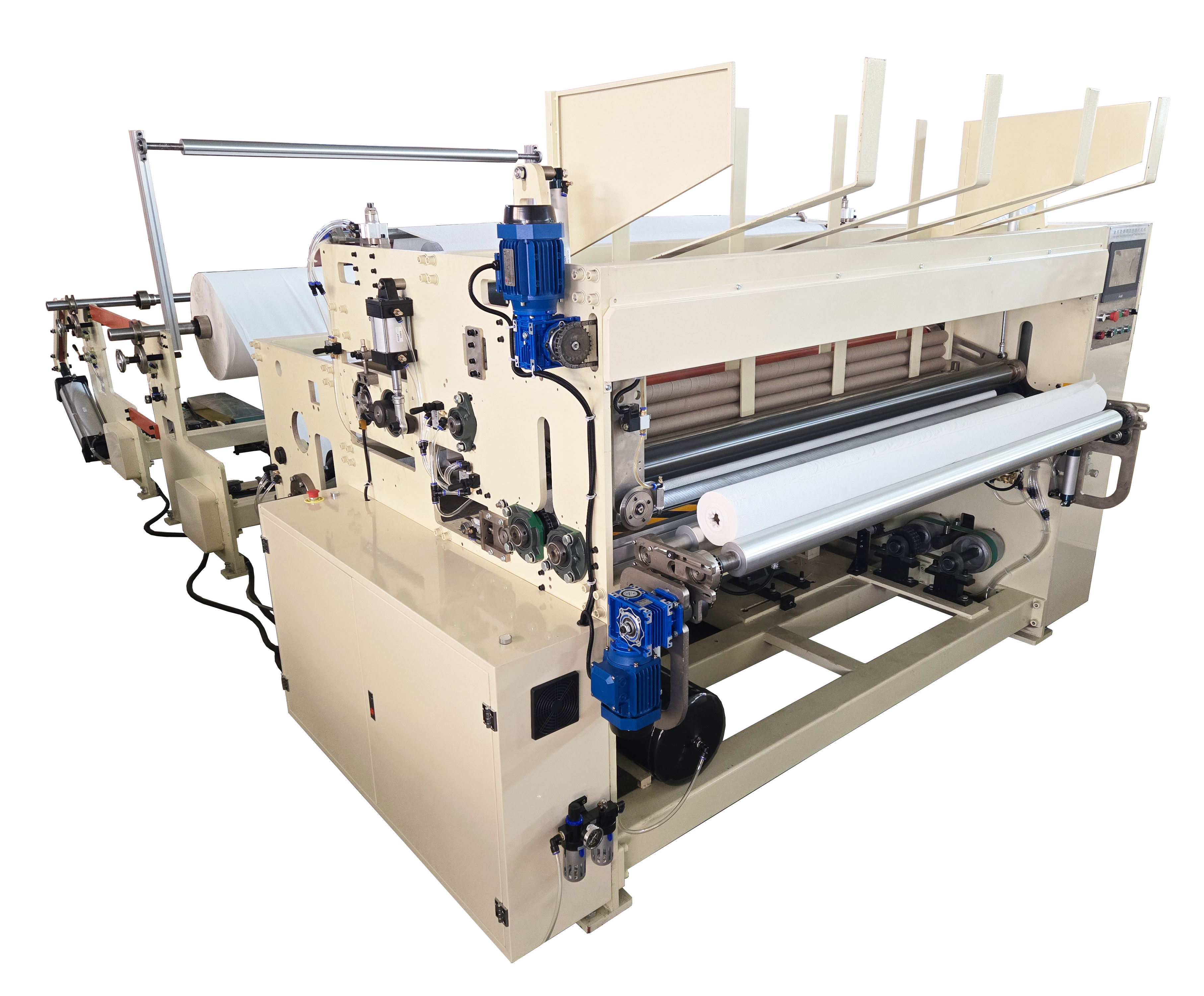
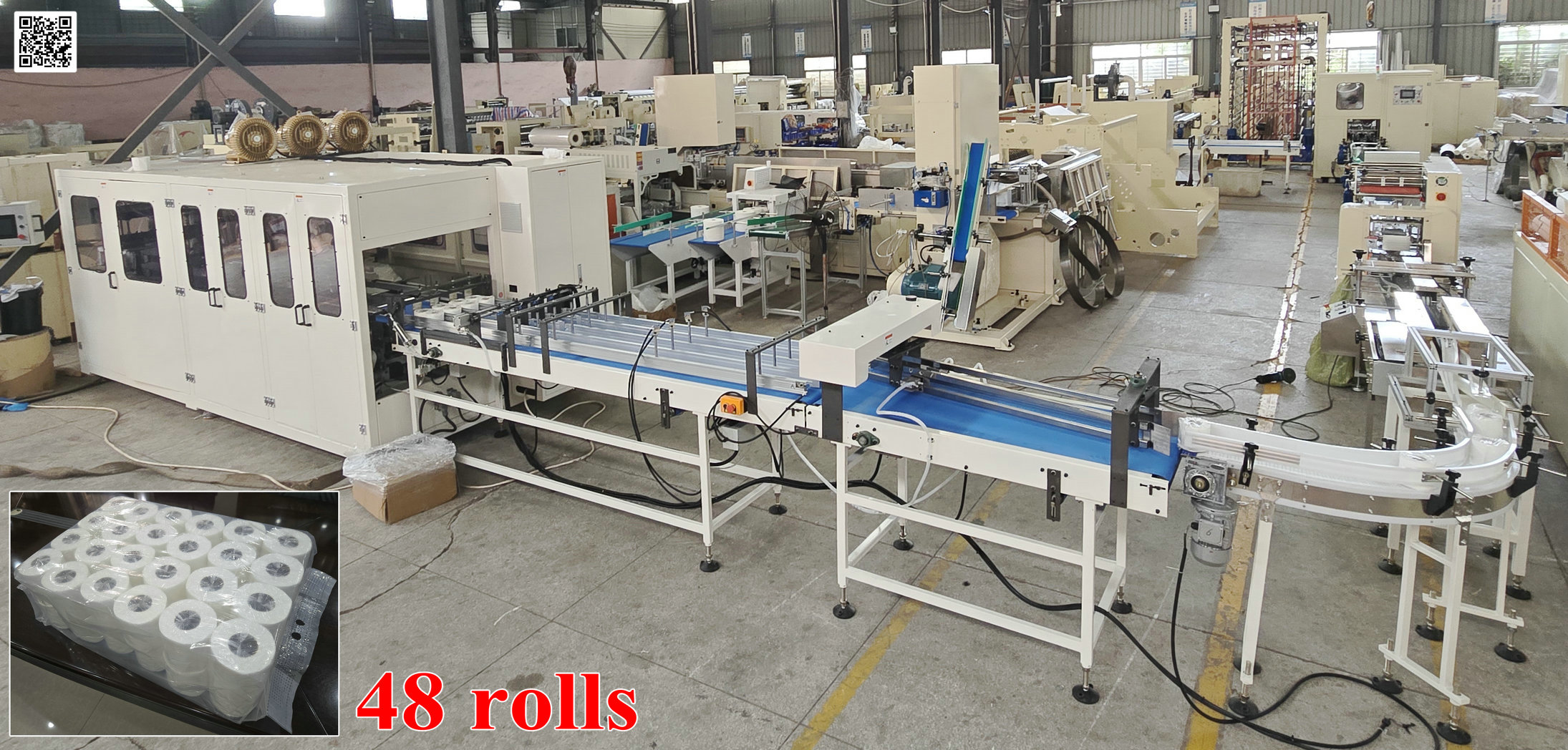
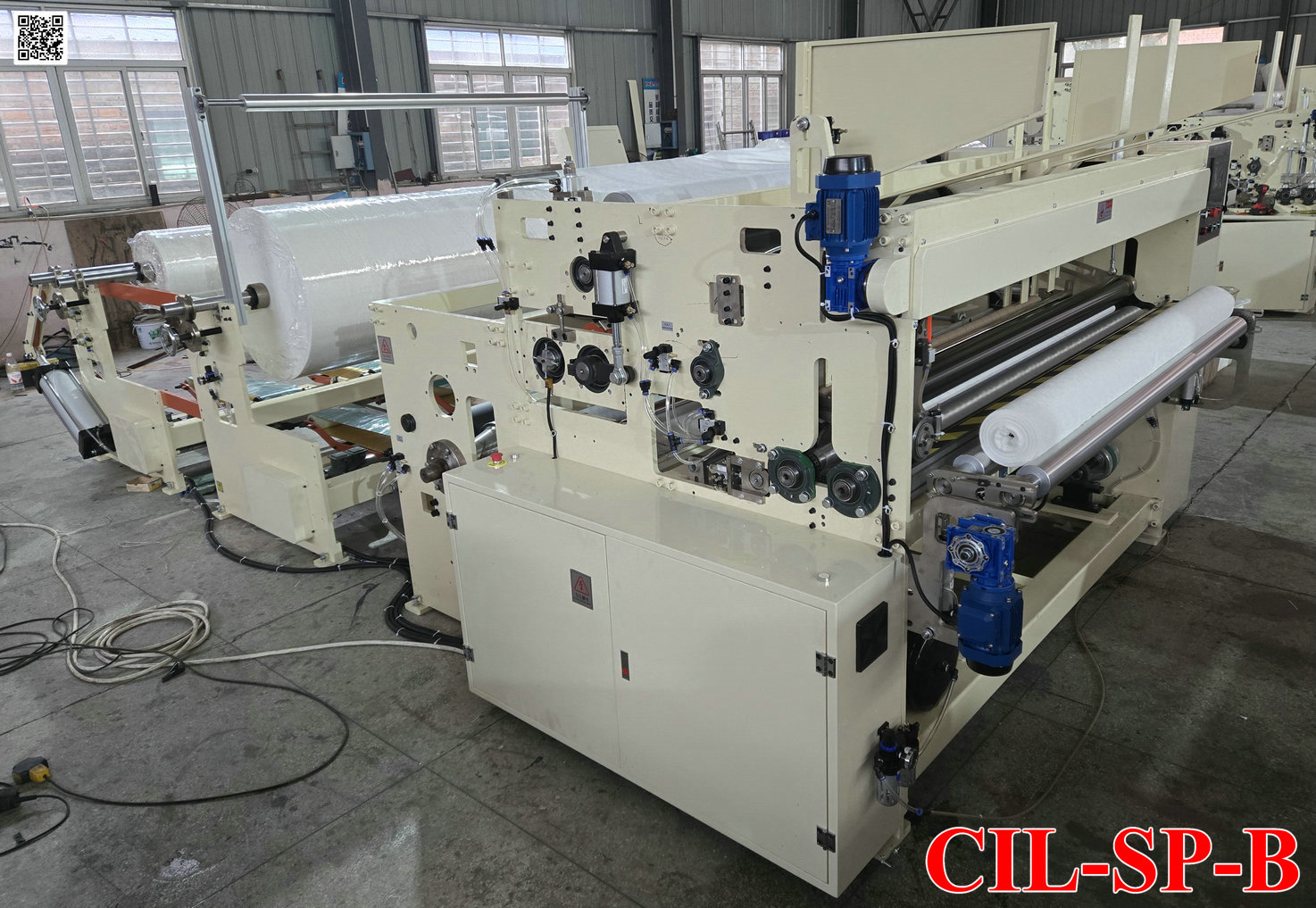
Toilet Paper Embossing Rewinding Machine – High-Speed, Precision Embossing & Rewinding for Global Tissue Makers
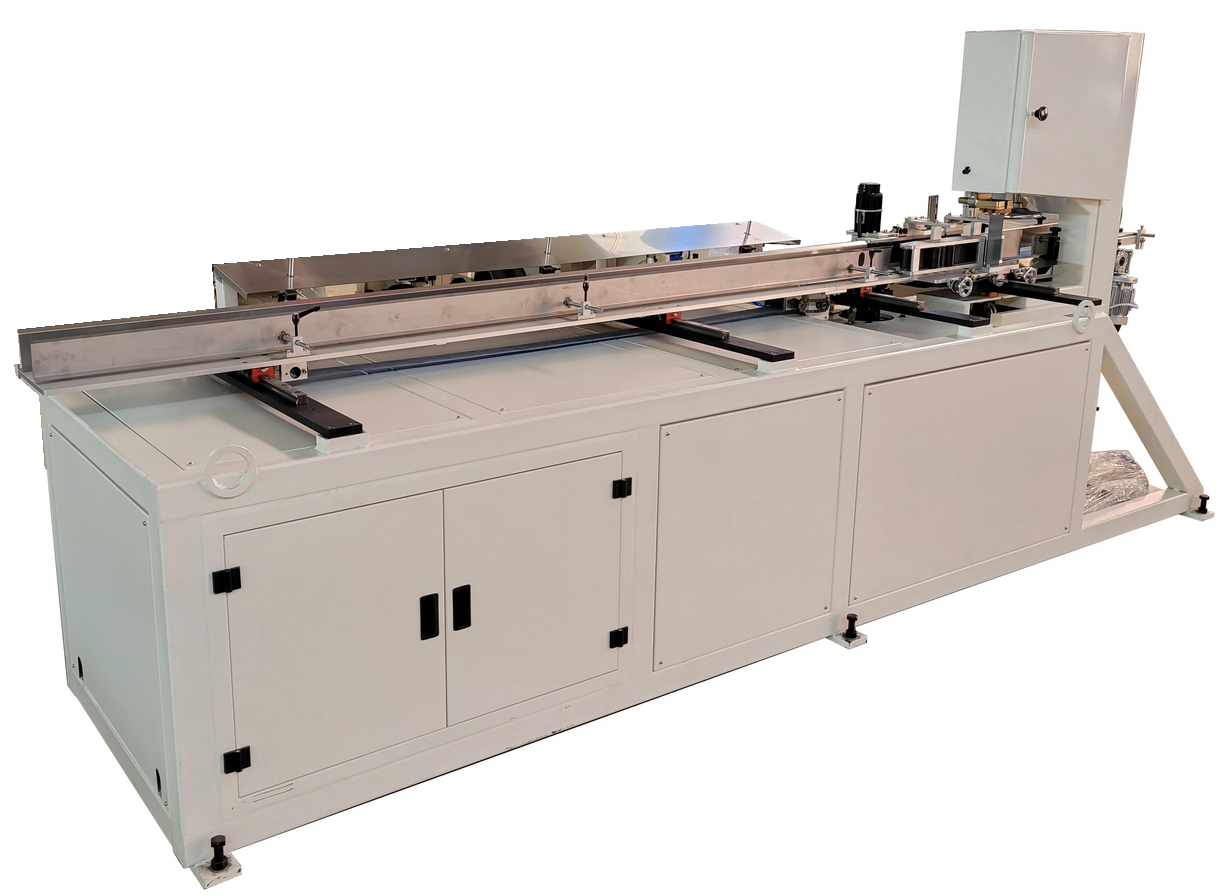
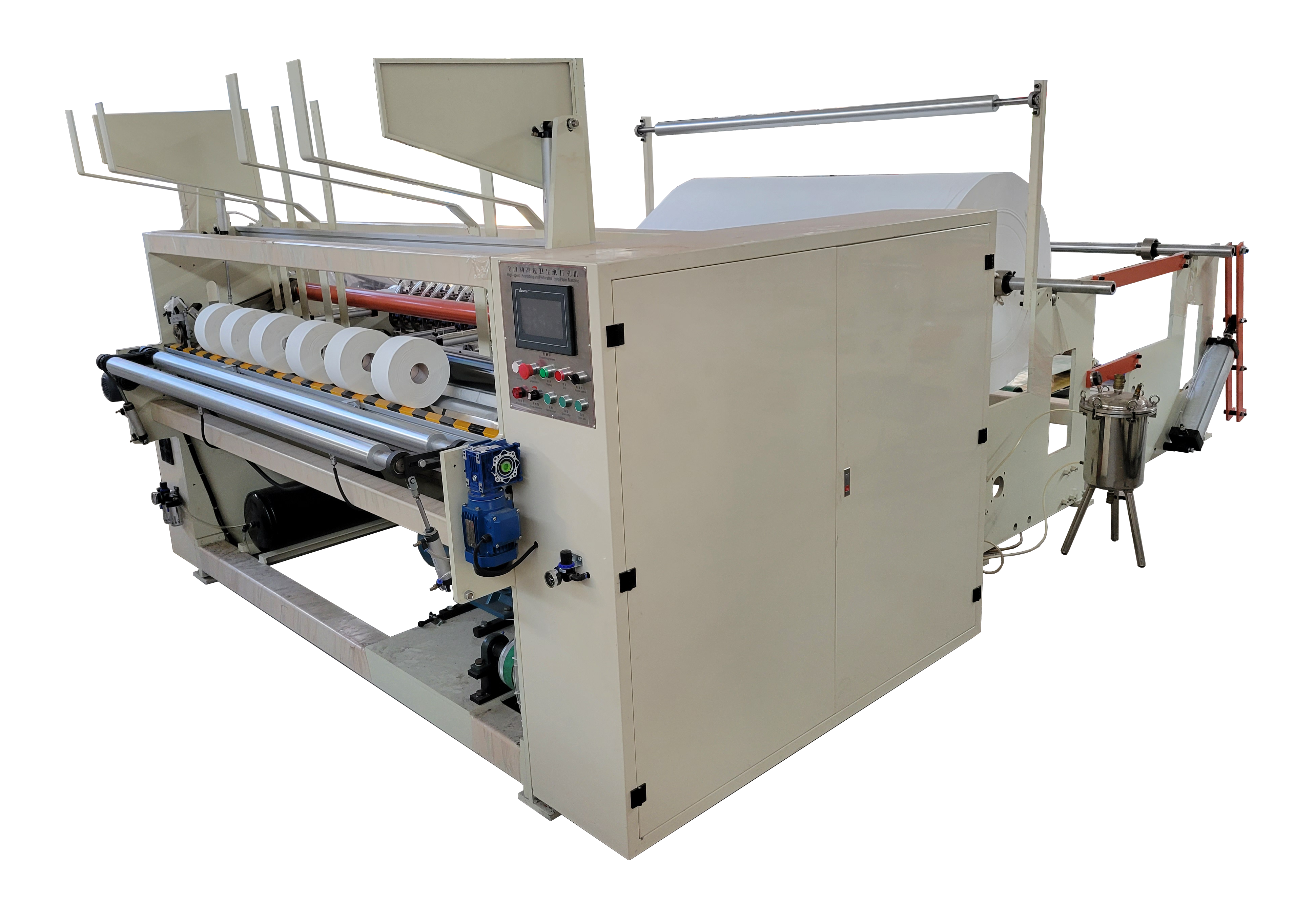
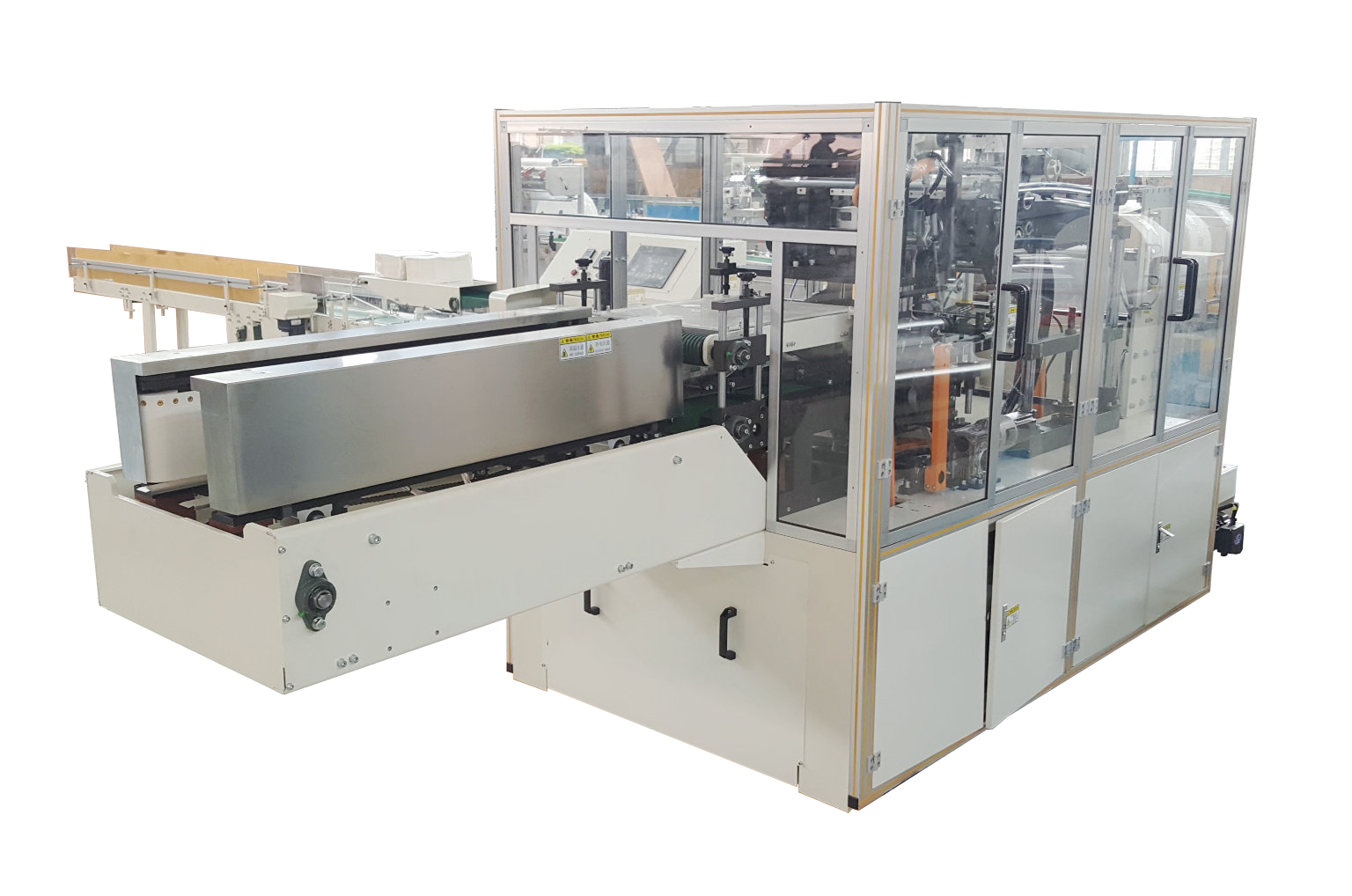
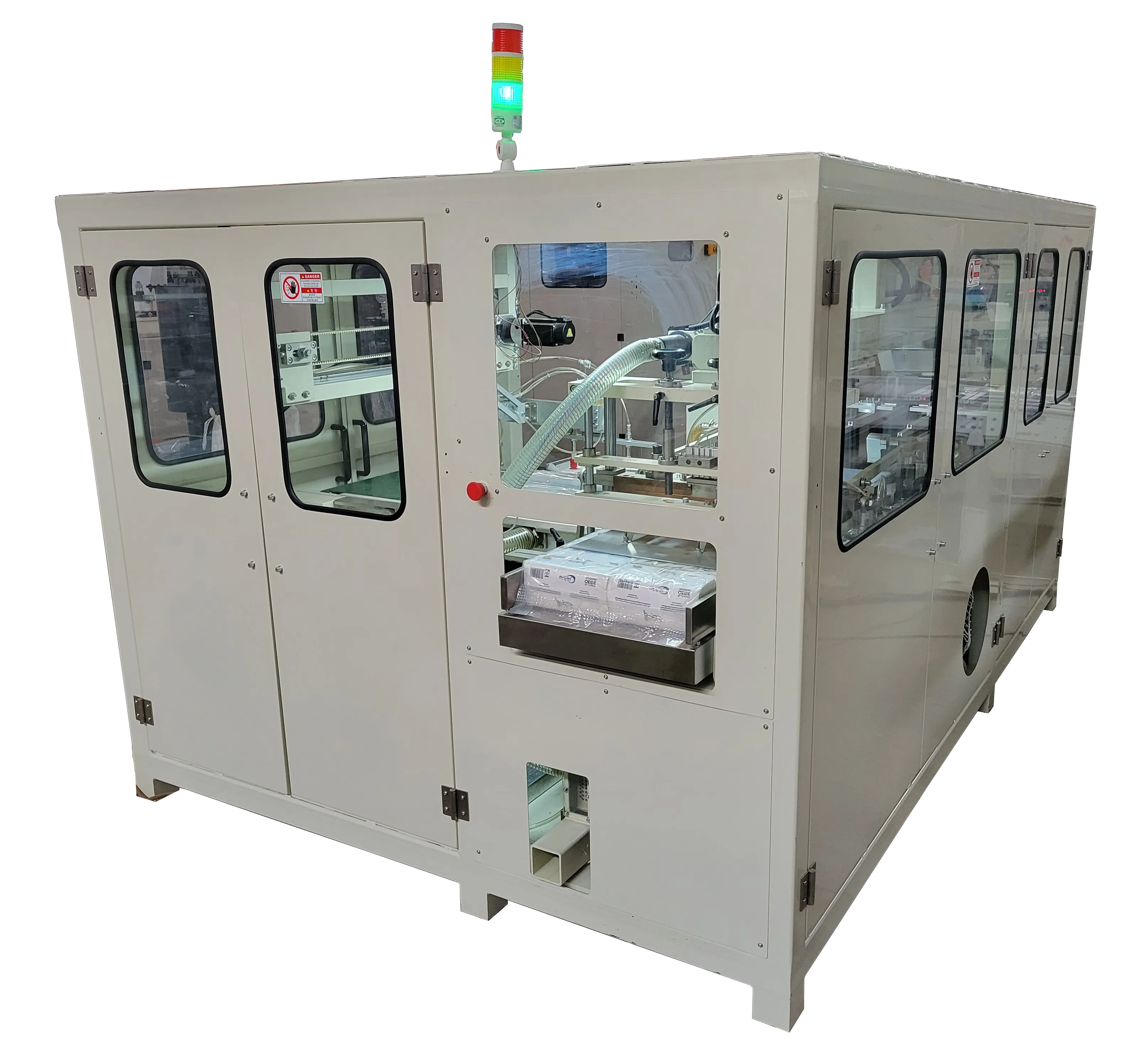
The Toilet Paper Embossing Rewinding Machine is engineered for manufacturers seeking high output, consistent embossing quality, and reduced downtime. This page explains how a modern toilet paper embossing rewinding machine converts large jumbo rolls into finished, embossed, perforated, and rewound toilet paper logs. We cover machine configurations, embossing pattern options, tension and web control, core and log handling, automation features, and maintenance practices to maximize efficiency. You will learn how to select the right toilet paper embossing rewinding machine for different jumbo roll widths, plies, and finished product specifications, plus guidance on installation, operator training, spare parts, and after-sales support. We also address common production challenges such as web breaks, inconsistent embossing depth, poor roll firmness, and changeover time.
Get A Quote

 EN