Transparent, Factory-Direct Toilet Paper Rewinding Machine Price With No Middleman Markup
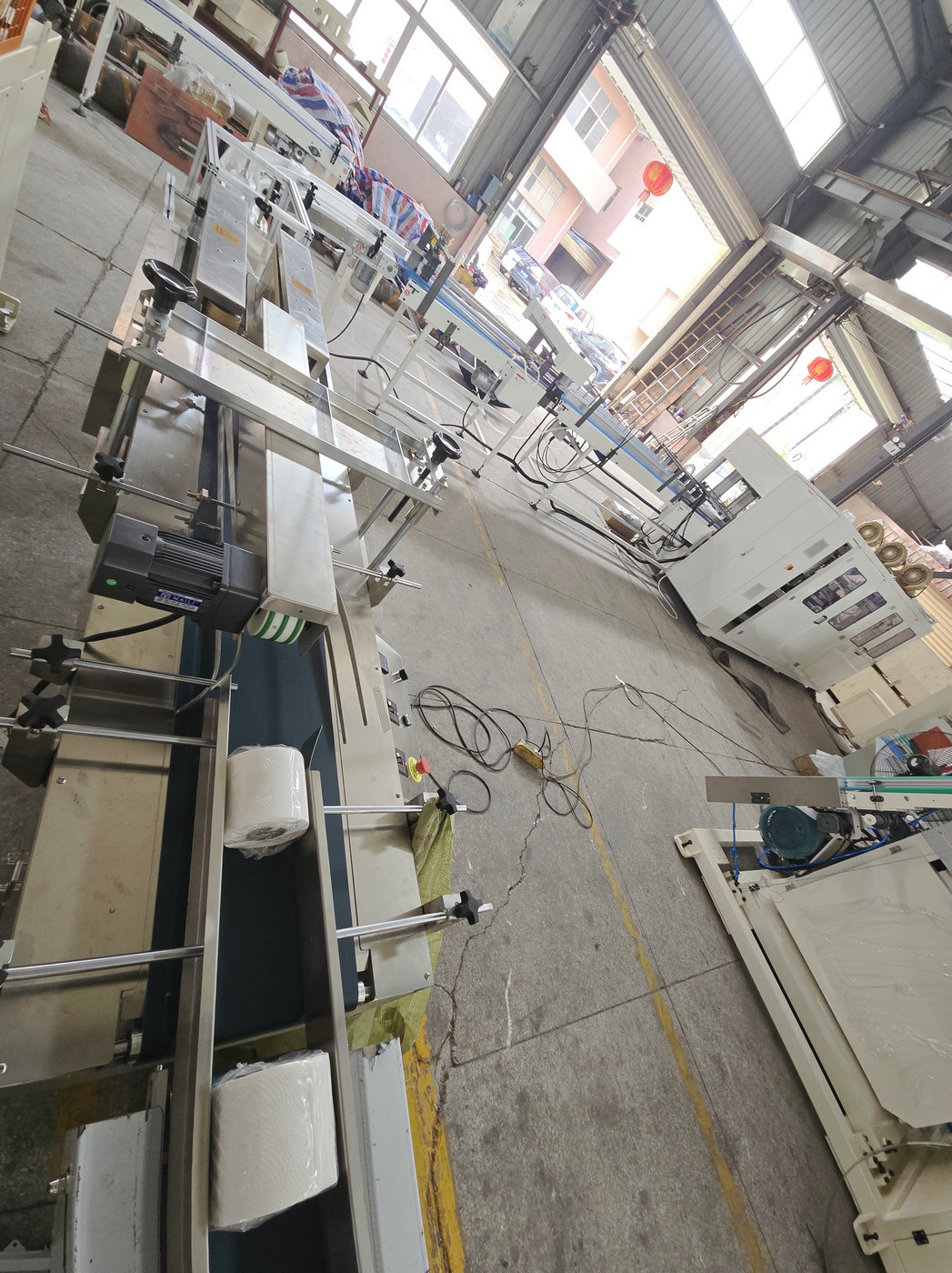
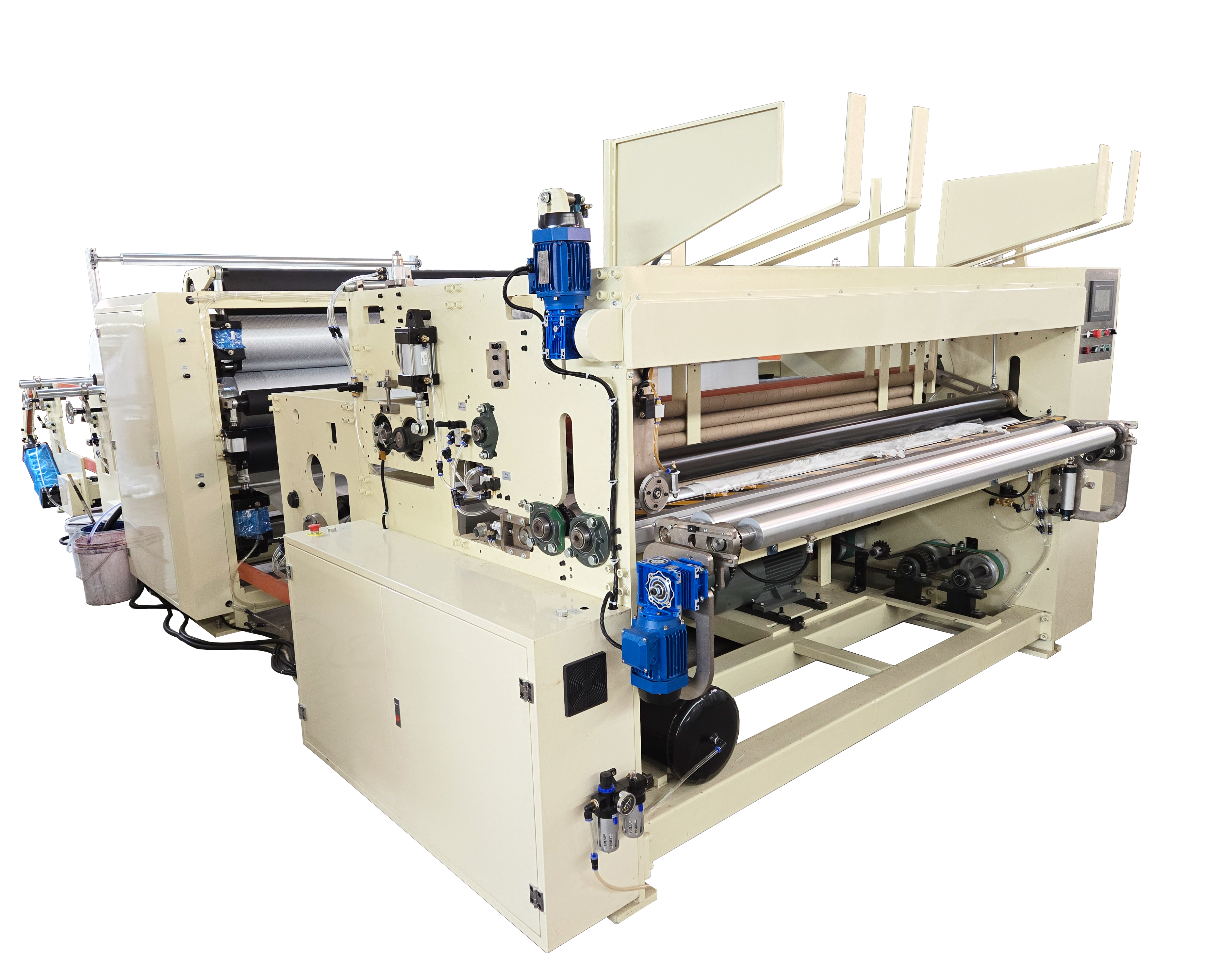
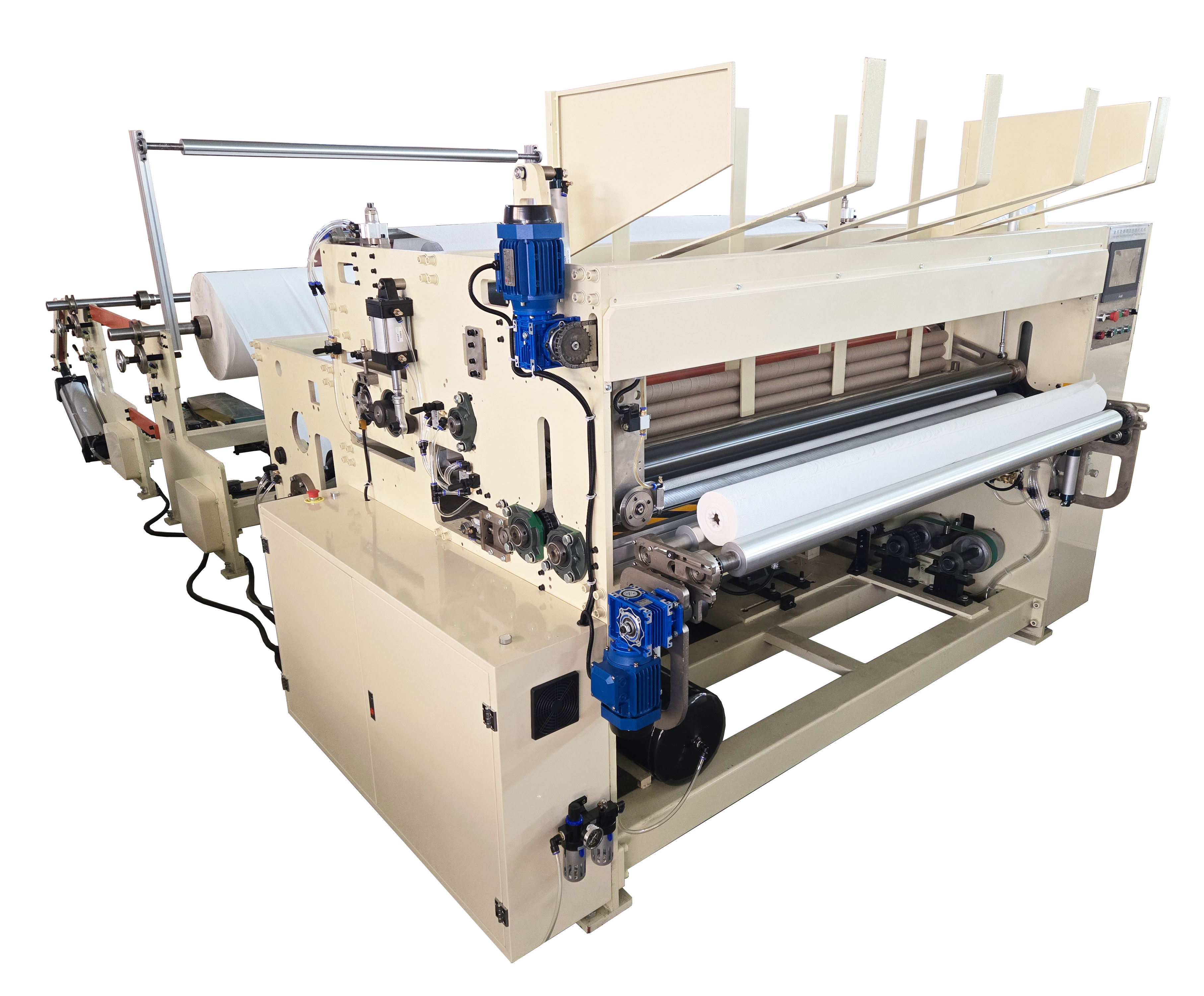
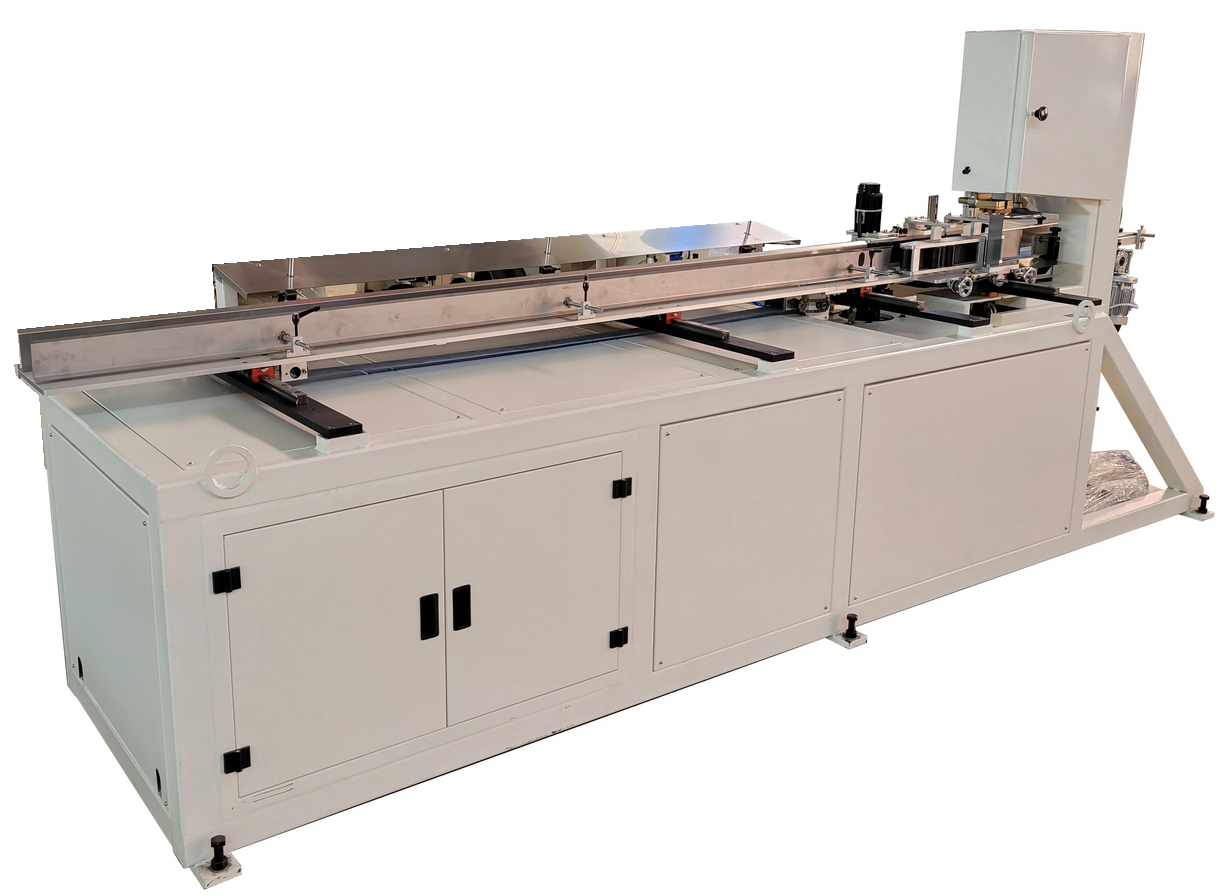
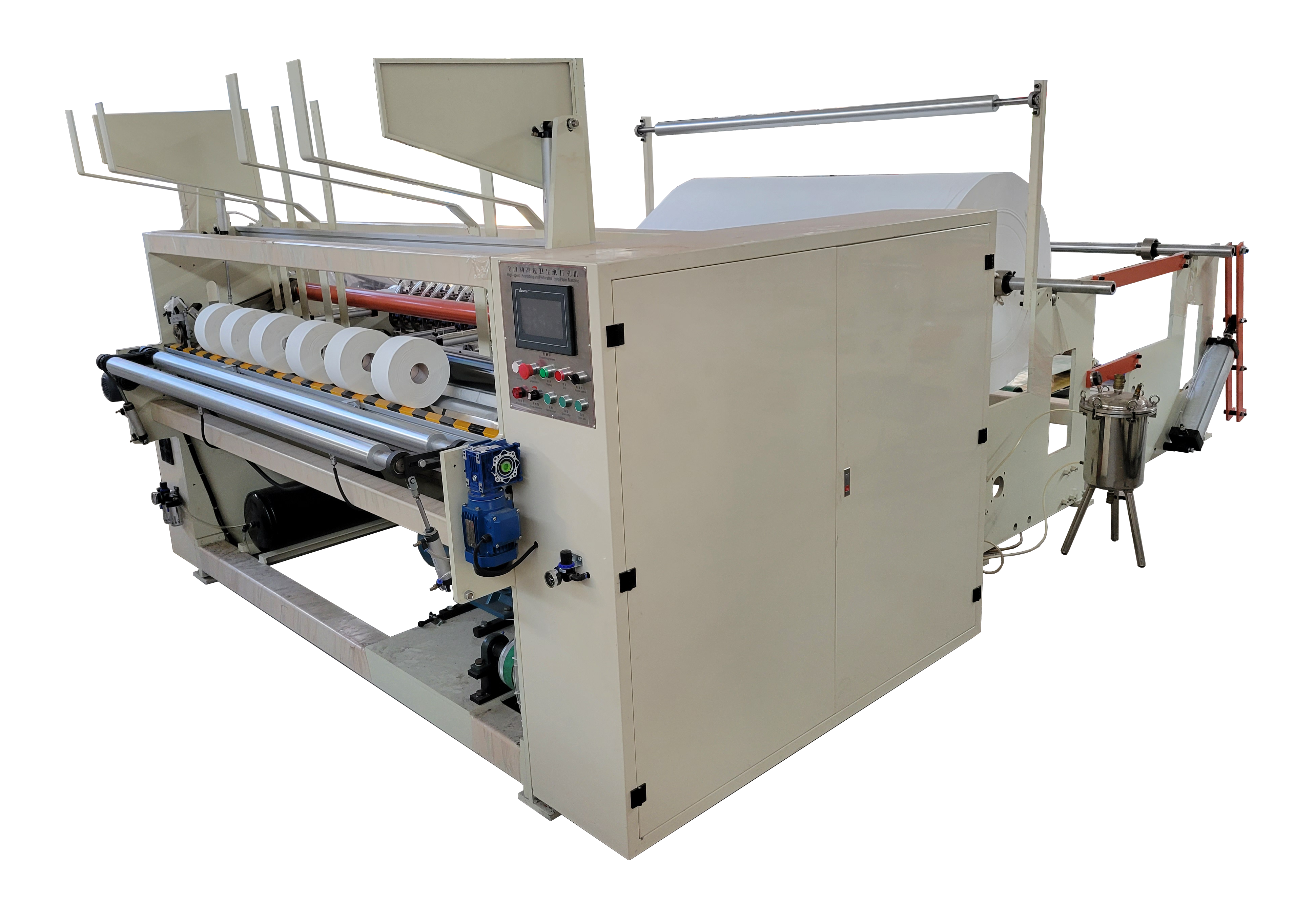
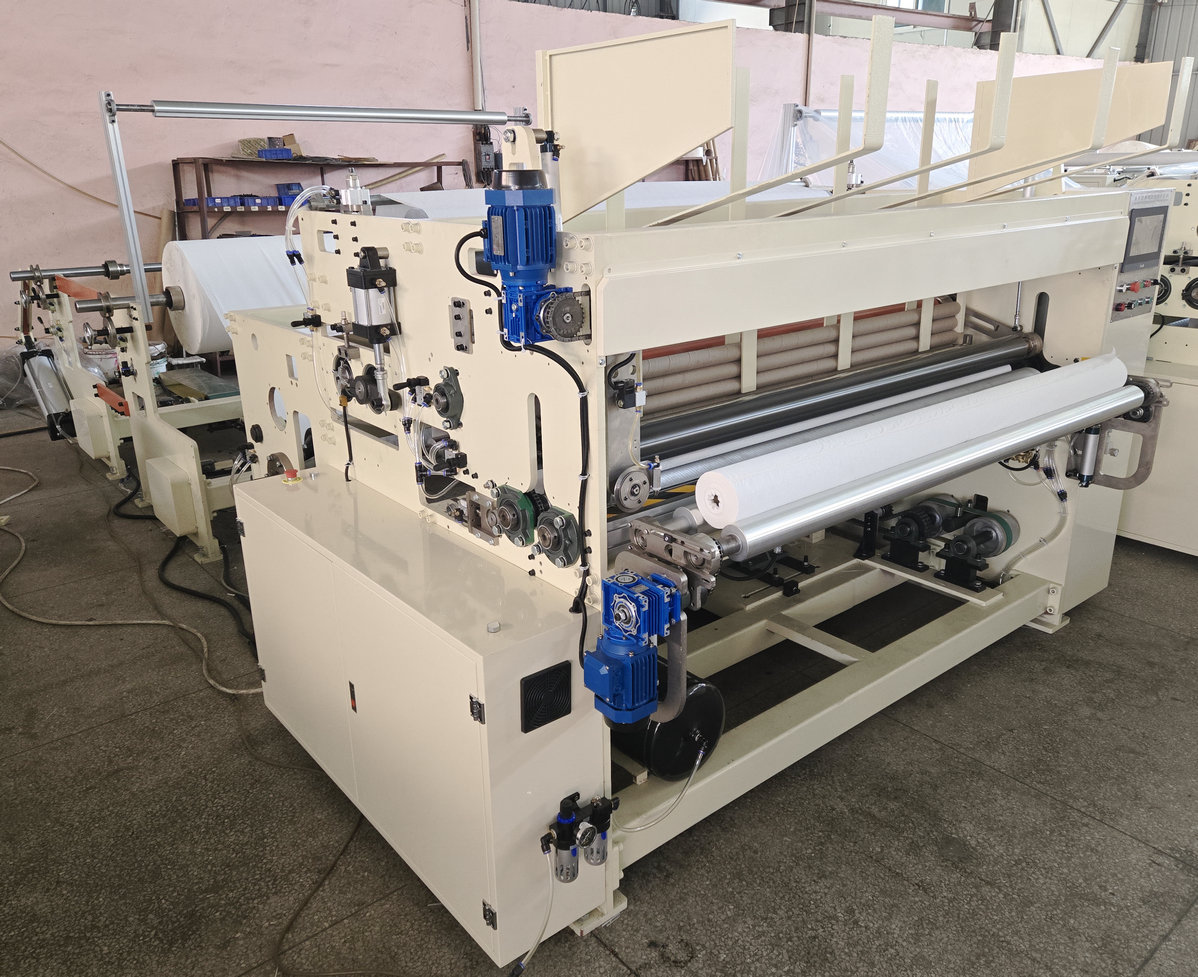
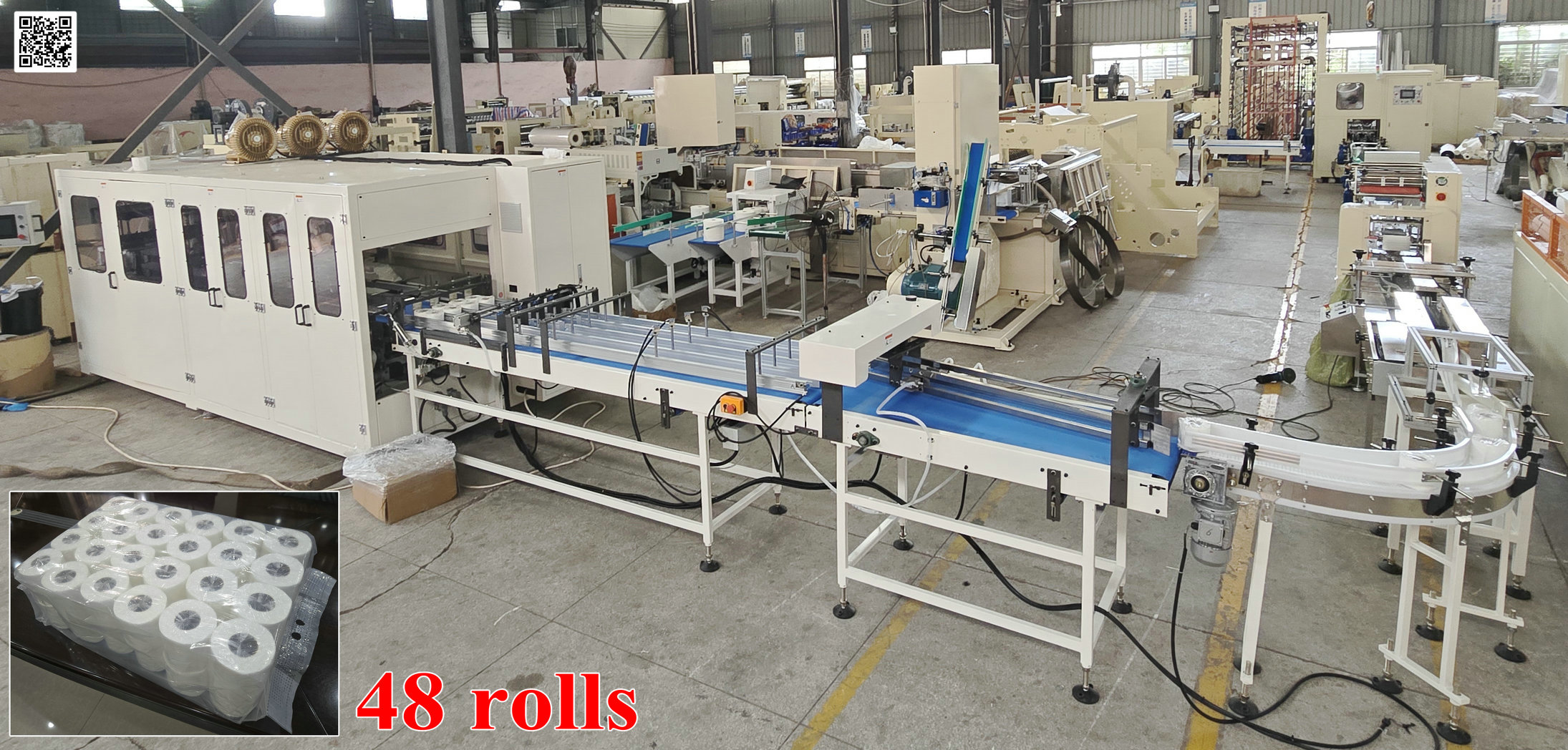
We quote the Toilet Paper Rewinding Machine Price directly from our own production facility, so you know exactly what you pay for. Our 12,000 square meter factory has manufactured tissue machinery since the 1980s, and our engineering team brings over 40 years of hands-on experience in designing rewinders, perforation units, and embossing systems. Because we build in-house, we control steel quality, machining accuracy, and assembly standards, which allows us to offer competitive pricing without cutting corners. When you request a quotation, we break down the cost: main machine, electrical components, motors, frequency converters, embossing rollers, spare blades, packaging, and optional accessories. This transparency lets you compare apples to apples instead of chasing vague offers. We also advise on the right configuration for your paper weight, from 13 gsm to 45 gsm, so you never overpay for capacity you do not need. Buyers in the Middle East, Africa, and Southeast Europe have used thi

 EN