
 EN
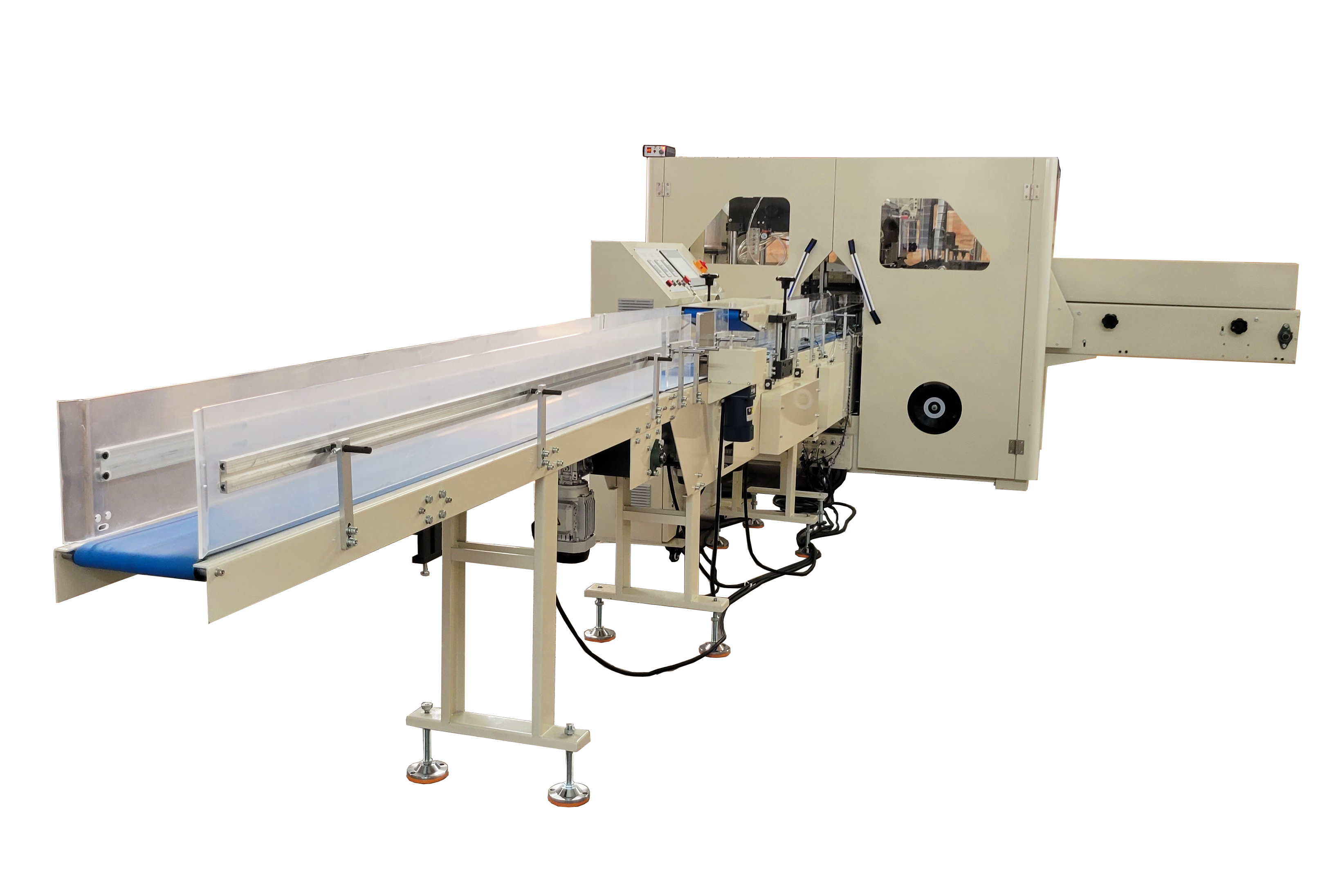
The Core Mechanism: How Embossing Rollers Physically Impart Surface Patterns
Mechanical Deformation via Precision Roller Contact
Embossing rollers shape patterns through controlled mechanical deformation—applying intense, localized pressure to permanently restructure paper fibers. As the substrate passes through the nip between a precision-engraved steel gravure roller (60–70 Shore D hardness) and a resilient backing roller, contact forces exceed the fiber’s yield strength, inducing plastic deformation that conforms the paper to the roller’s geometry. Studies on embossing deformation confirm pressure intensities in the 1.5–8 kN/mm range are required for consistent pattern transfer. Because paper exhibits 25–45% elastic recovery, post-nip retention of the deformed structure is essential for crisp definition. Dedicated embossing rollers avoid the compromises inherent in combined systems—unlike embossing glue lamination machines, where simultaneous demands for adhesion and surface texturing force trade-offs in pressure, temperature, and dwell time.
Key Process Parameters: Pressure, Temperature, and Dwell Time
While pressure initiates deformation, optimal pattern fidelity depends on the synergistic control of temperature and dwell time:
| Parameter | Influence on Pattern Fidelity | Typical Range (Fine Patterns) |
|---|---|---|
| Temperature | Softens cellulose, enhancing plastic flow and edge sharpness | 40–70°C |
| Dwell Time | Governs energy transfer and cavity fill without fiber rupture | 18–42 ms |
| Roller Velocity | Determines effective interaction time in the nip | 100–400 m/min |
Elevated temperatures within this range improve fiber mobility and reduce required embossing pressure. Microsecond-scale dwell times—tuned via synchronized roller speeds—allow sufficient material displacement into engraved cavities while avoiding tensile failure. In non-integrated embossing lines, thermal control targets only the patterned layer; this contrasts sharply with glue lamination machines, where heat must simultaneously activate adhesive and preserve embossed topography—a dual objective that inherently constrains process flexibility.
Achieving Pattern Fidelity: Roller Engineering and Paper Compatibility
Digital Engraving for Sub-50 µm Feature Accuracy
High-fidelity embossing begins with the roller’s surface geometry—and digital engraving (via laser or electron-beam systems) delivers the necessary precision. With depth tolerances of ±5 µm, it reliably reproduces features under 50 µm—such as linen weaves or micro-text—without the distortion risks of chemical etching or mechanical milling. This direct digital-to-physical translation ensures near-pixel-perfect transfer of design intent onto the paper surface. Ultimately, the roller’s engraving accuracy sets the upper limit for achievable pattern resolution.
Optimizing Roller Hardness (60–70 Shore D) Against Paper Basis Weight
Roller hardness must be matched to paper basis weight to balance impression depth and structural integrity. A 60 Shore D roller provides controlled compliance for lightweight papers (70–100 gsm), enabling clean cavity penetration without web tearing. For heavy paperboard (300+ gsm), a stiffer 70 Shore D roller ensures sufficient force transmission to achieve permanent deformation without excessive compression. When integrated into an embossing glue lamination machine, additional thermal management is critical: overheating from the lamination section can soften previously embossed fibers, blurring pattern definition before adhesive fixation occurs. Proper hardness selection thus safeguards tactile integrity across downstream converting steps.
Embossing Rollers vs. Embossing Glue Lamination Machine: Functional Roles and Integration Challenges
Embossing rollers and embossing glue lamination machines serve distinct physical functions. Rollers deform substrates directly via mechanical pressure to create tactile patterns; glue lamination machines bond layers using adhesive—introducing a functional mediator absent in pure embossing. Their integration introduces inherent tension: one process prioritizes precise surface topology, the other focuses on interfacial adhesion.
When Glue Lamination Compromises Embossing Fidelity
Combining these operations often degrades pattern quality due to three primary interference mechanisms:
- Adhesive viscosity migration: Uneven or over-applied adhesive can flood fine embossed recesses, filling detail rather than preserving it.
- Thermal curing distortions: Heat used to activate adhesive alters pre-set fiber alignment, causing partial relaxation of embossed peaks and valleys.
- Pressure redistribution: Nip force shifts toward achieving bond strength, reducing the sustained, localized load needed to maintain pattern depth.
These effects compound operational imprecision—making fidelity loss not just possible, but statistically probable—when processes designed for opposing physical outcomes share a single platform.
Material Science of Embossing: How Paper Composition Affects Pattern Retention
Pattern longevity hinges on how paper’s internal architecture responds to—and retains—mechanical deformation. Three interrelated factors dominate: fiber morphology, density, and moisture content. Long, flexible fibers—characteristic of premium uncoated stocks—bend and reorient under pressure without fracturing, supporting deeper, more durable impressions. Short-fiber papers (e.g., many recycled grades) are prone to fiber breakage or slippage, resulting in rapid pattern flattening over time. Basis weight further modulates behavior: heavy stocks (>300 gsm) distribute load uniformly and resist rebound; lighter sheets (<200 gsm) risk reverse-side bruising or collapse of fine features. Crucially, this material response becomes decisive during subsequent processing—particularly in embossing glue lamination machines, where added heat and moisture from adhesive application can accelerate pattern degradation if the substrate lacks inherent dimensional stability. Selecting paper, therefore, is less about initial visual impact and more about engineering long-term tactile performance across the full production workflow.
FAQ Section
What are embossing rollers, and how do they work?
Embossing rollers are tools used to imprint patterns and textures onto substrates like paper by applying localized mechanical pressure. They induce plastic deformation to permanently reshape the surface features of the material being processed.
Why is pressure critical in the embossing process?
Pressure is crucial because it drives the mechanical deformation of paper fibers, ensuring the substrate’s surface conforms to the roller's engraved patterns.
What is the role of temperature and dwell time in embossing?
Temperature softens the cellulose in the paper, enhancing plastic flow and detail sharpness, while dwell time governs energy transfer to achieve proper imprint depth without damaging fibers.
How does roller hardness affect embossing outcomes?
Roller hardness must align with paper basis weight; softer rollers suit lightweight papers, while harder rollers are ideal for heavy paperboard, ensuring effective deformation without compromising structural integrity.
How does glue lamination impact embossed patterns?
Glue lamination can compromise embossed patterns by introducing adhesive migration, thermal curing distortions, and pressure redistribution—all of which interfere with precise texture retention.
Table of Contents
- The Core Mechanism: How Embossing Rollers Physically Impart Surface Patterns
- Achieving Pattern Fidelity: Roller Engineering and Paper Compatibility
- Embossing Rollers vs. Embossing Glue Lamination Machine: Functional Roles and Integration Challenges
- Material Science of Embossing: How Paper Composition Affects Pattern Retention
- FAQ Section
