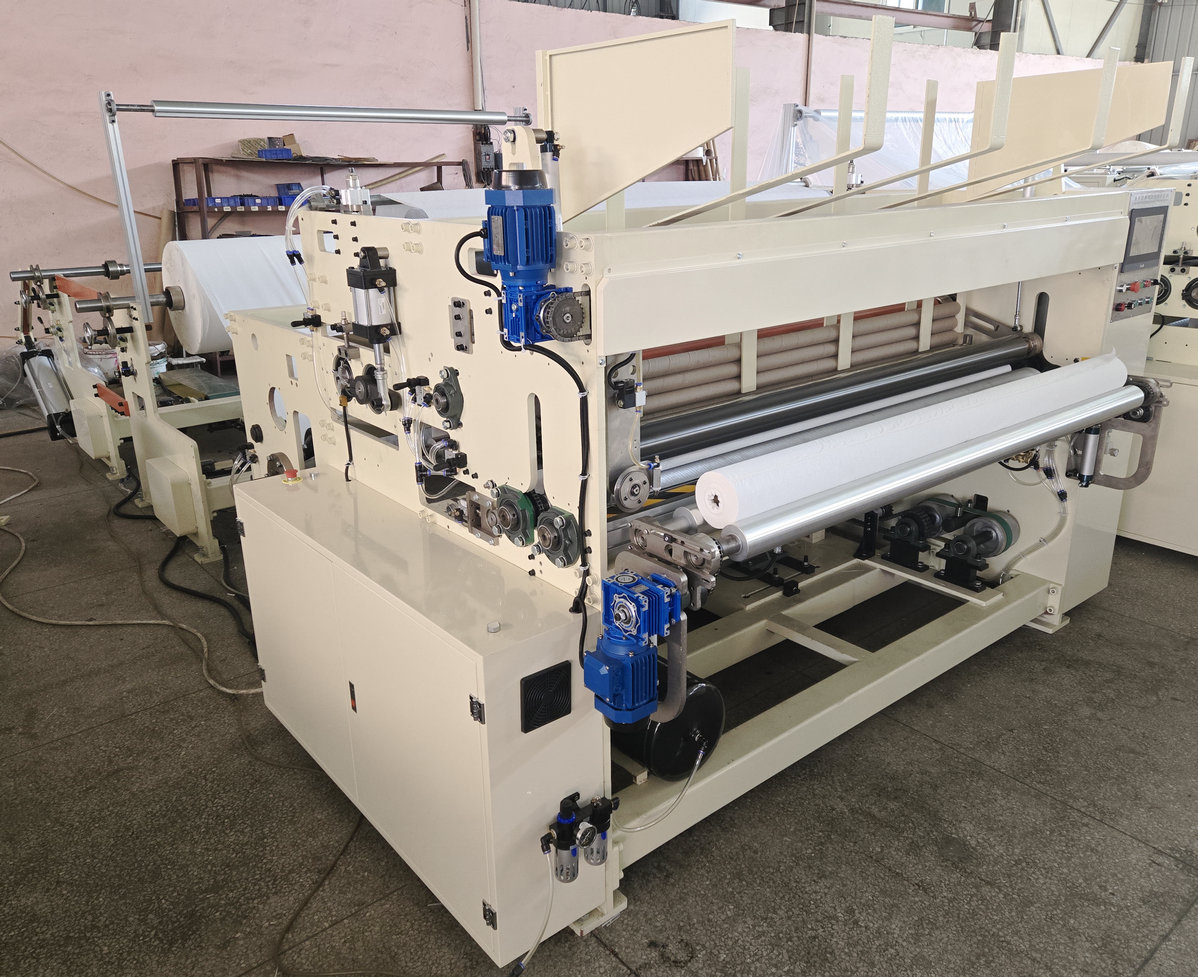
Tissue Paper Making Machine – High-Efficiency Production Solutions for Global Mills
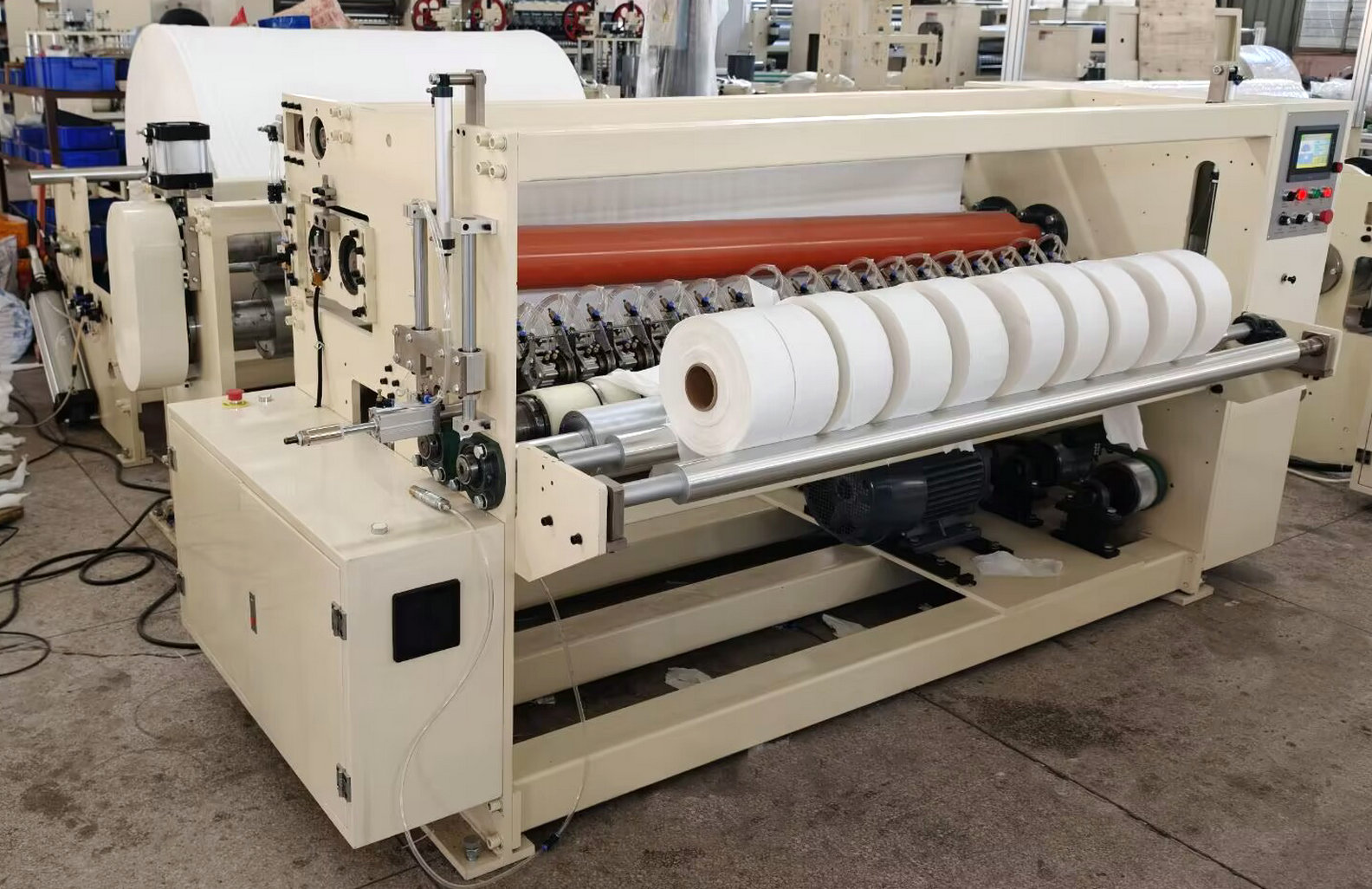
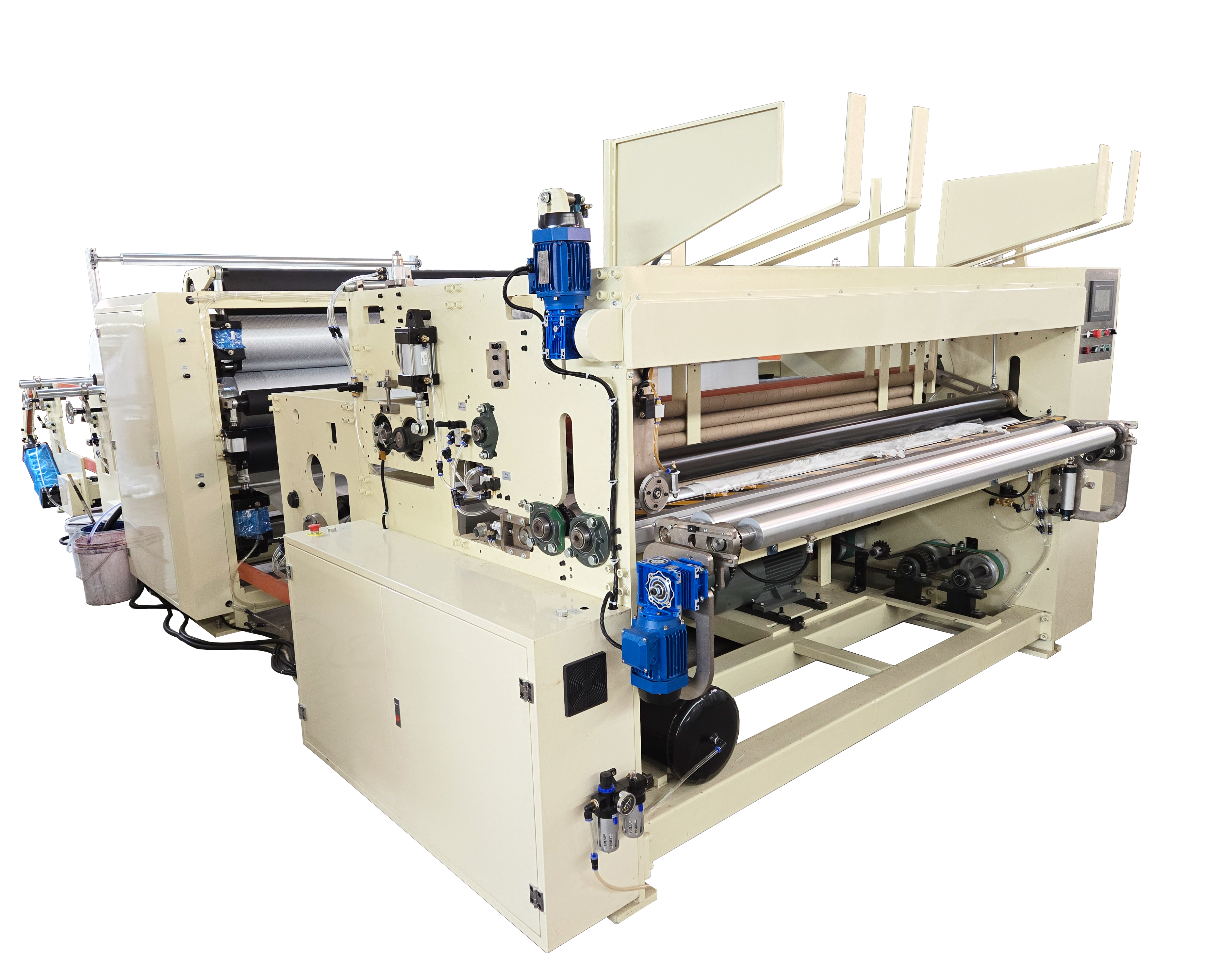
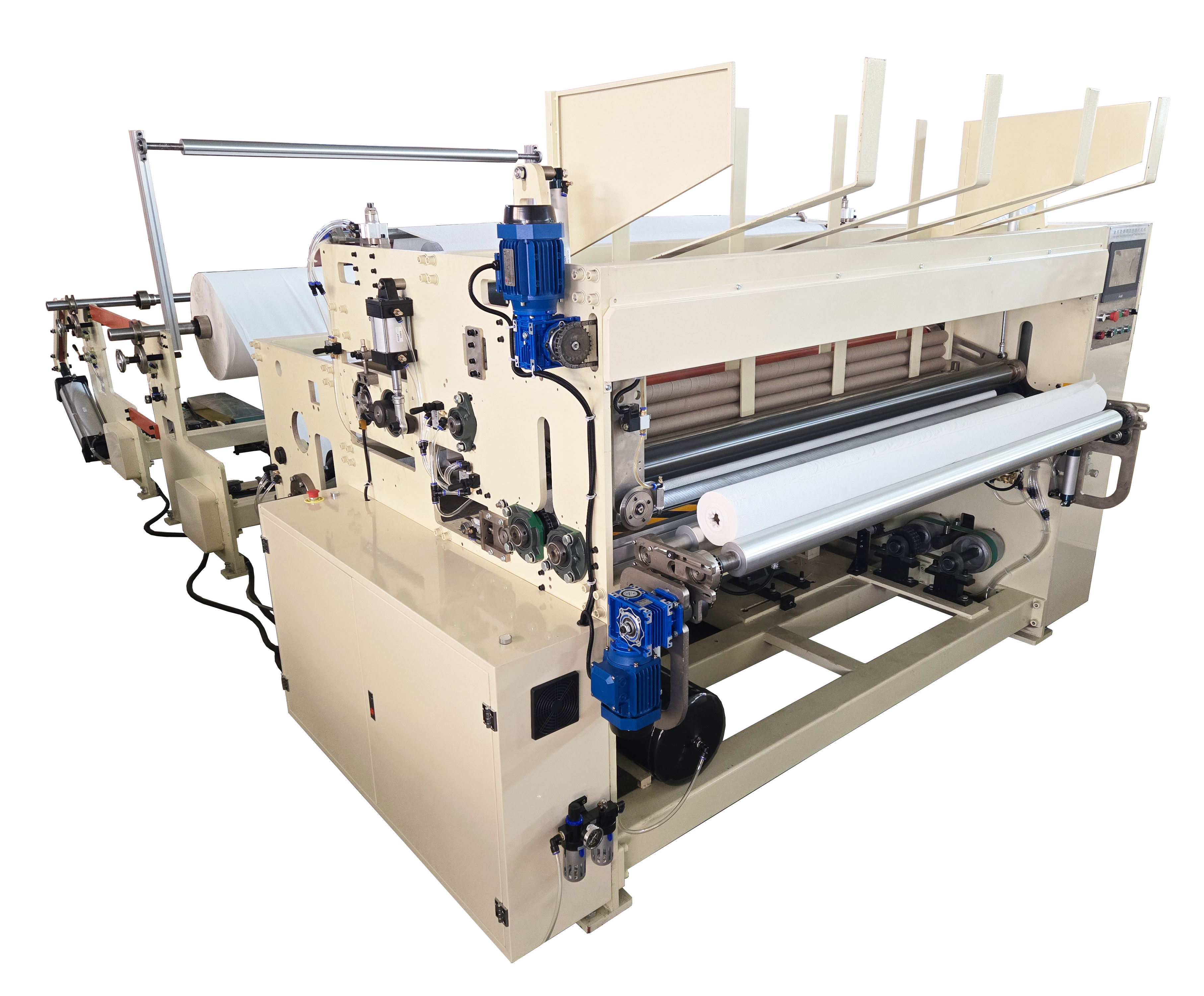
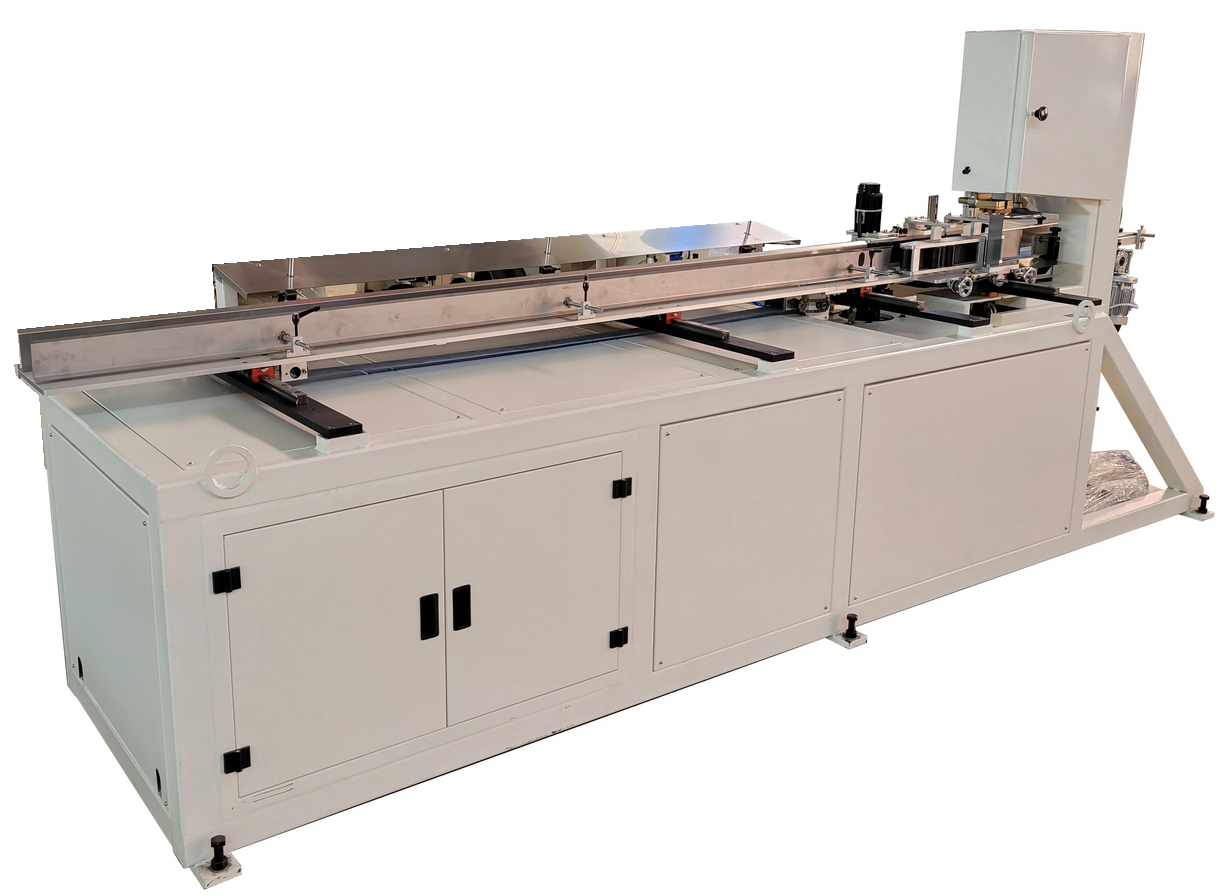
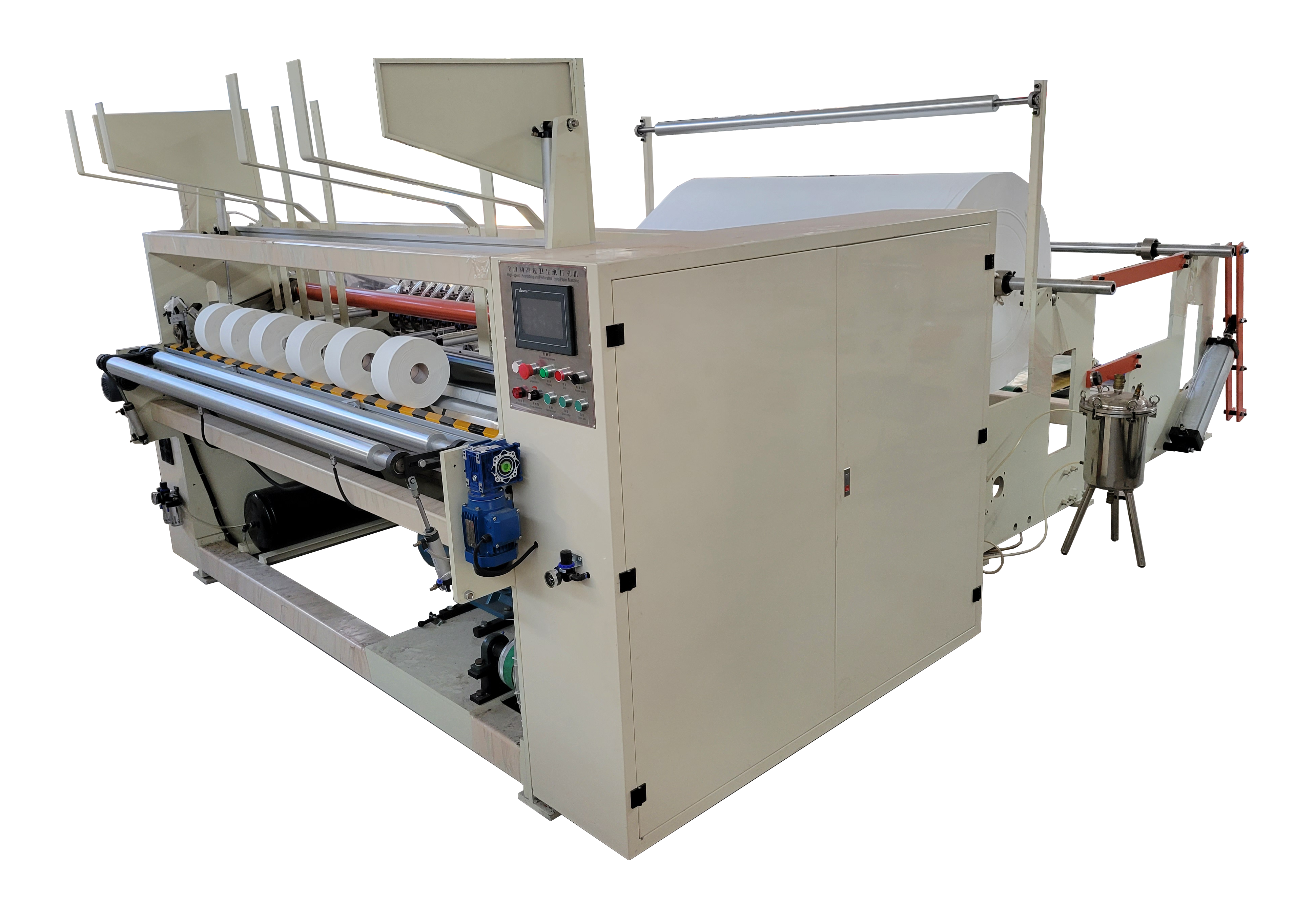
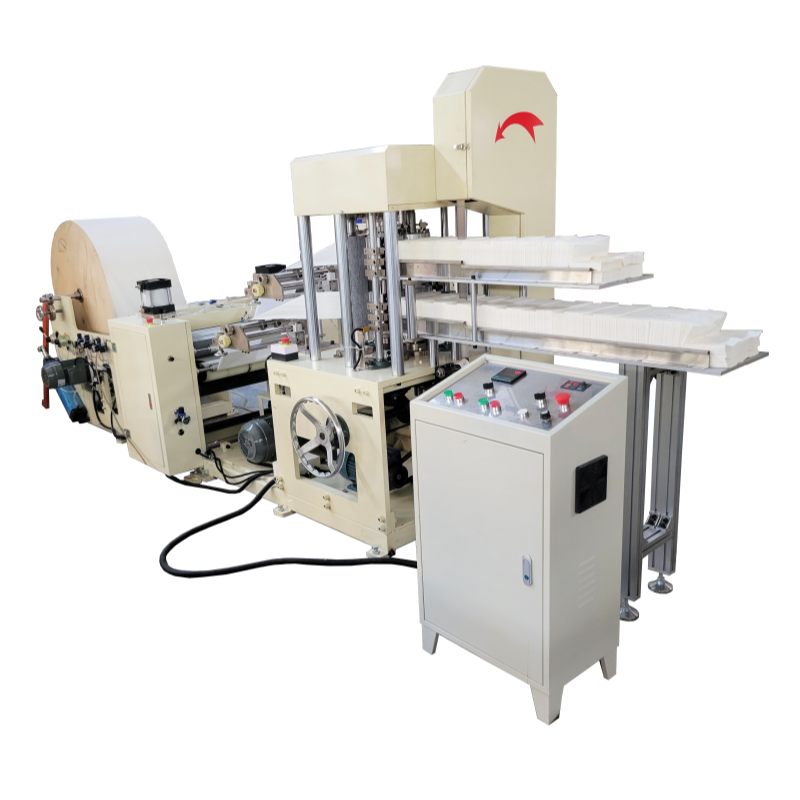
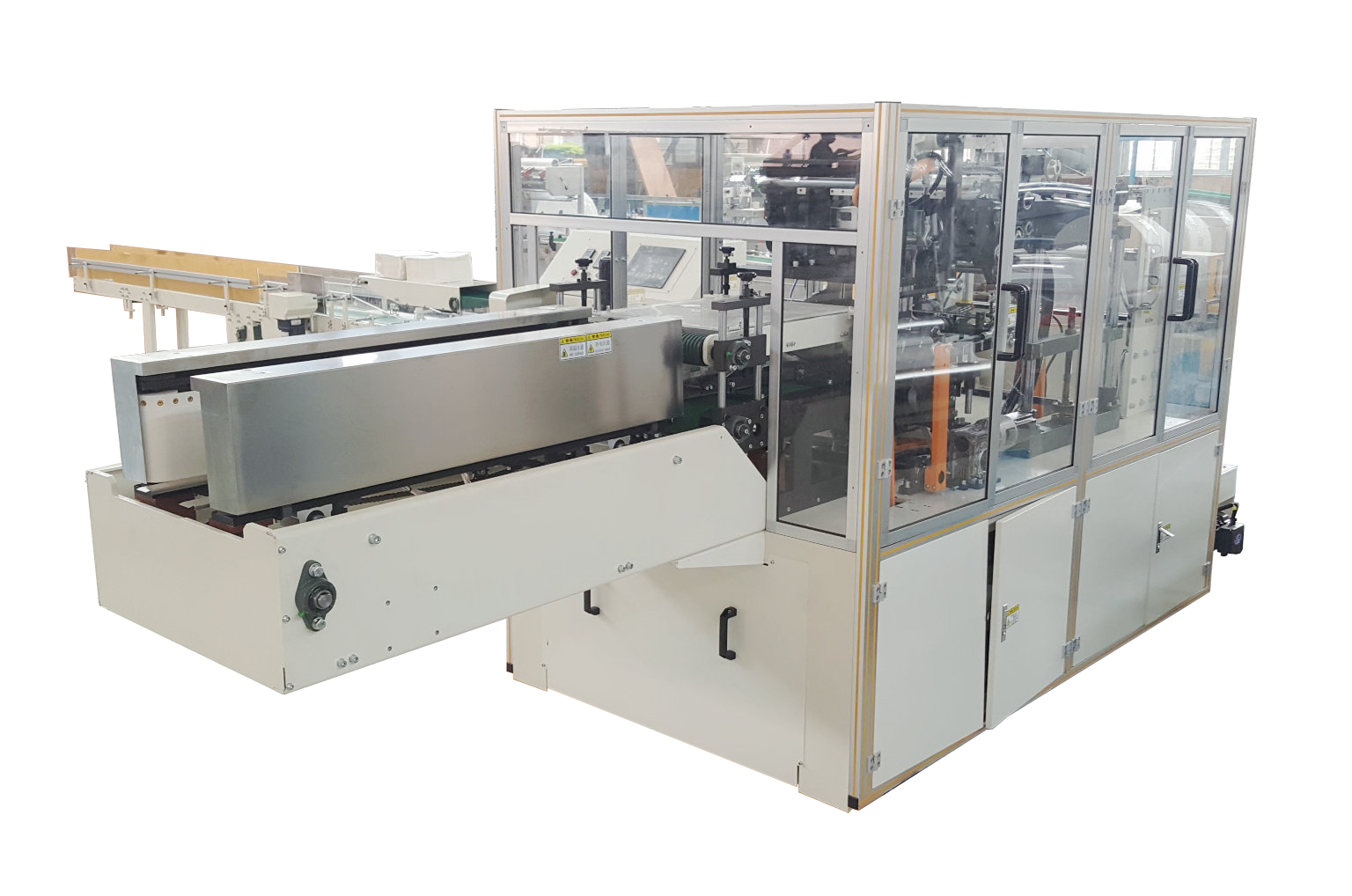
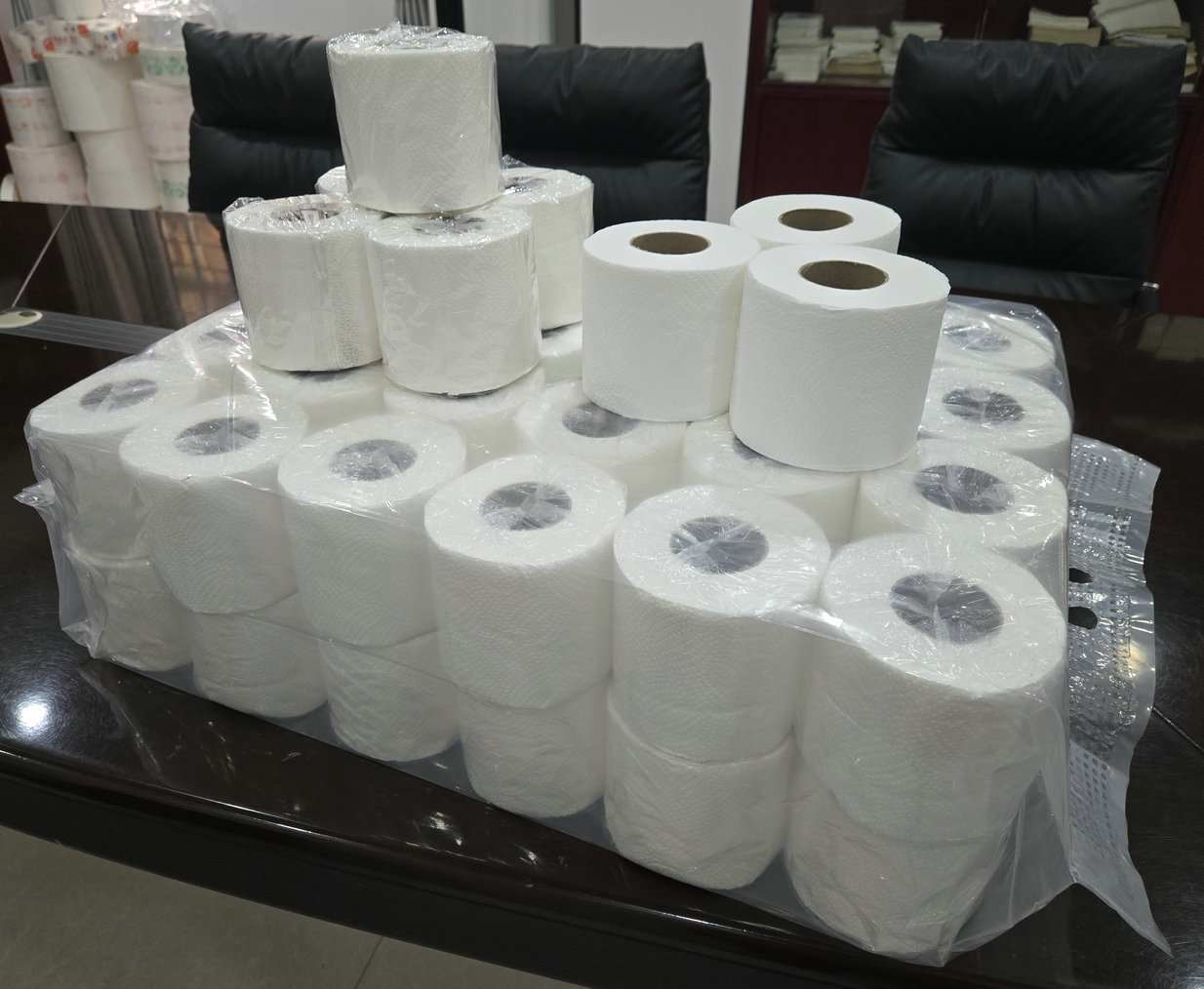
The Tissue Paper Making Machine is engineered for manufacturers seeking reliable, high-output conversion of virgin or recycled pulp into finished tissue products. Designed with advanced forming, pressing, drying, and reeling sections, this equipment delivers consistent sheet quality, optimized fiber usage, and low energy consumption. It supports flexible production of toilet tissue, facial tissue, napkins, and kitchen towels, making it ideal for startups and established plants alike. With more than four decades of machinery manufacturing heritage, the machine is built using durable components, precision machining, and user-friendly controls that reduce downtime and simplify maintenance. Its modular design allows customization for different widths, speeds, and automation levels, so producers can scale capacity as market demand grows.
Get A Quote

 EN