Toilet Paper Packaging Machine | High-Speed Auto Wrapping

All Categories
Toilet Paper Packaging Machine – High-Speed Automated Wrapping Solutions for Global Tissue Producers

Toilet Paper Packaging Machine – High-Speed Automated Wrapping Solutions for Global Tissue Producers

This page presents a complete guide to the Toilet Paper Packaging Machine for international buyers in the tissue paper industry. It explains how modern automated packaging systems handle rolls of toilet paper from sorting to final carton sealing, improving speed, hygiene, and labor efficiency. The content covers machine types, working principles, technical advantages, customization options, and maintenance practices. It is designed for manufacturers, converters, and distributors in the Middle East, Africa, Southeast Europe, South America, and the former Soviet Union regions. Readers will learn how a reliable Toilet Paper Packaging Machine reduces packaging costs, protects products during transport, and enhances retail presentation. The page also addresses common buyer questions about capacity, film materials, roll diameter compatibility, installation, and after-sales support.
Get A Quote

Advantages of the product

Proven Engineering Heritage and Manufacturing Depth

With a background in machinery manufacturing that began in the 1980s and a formally established company in 1997, the production team brings over 40 years of accumulated technical experience to every Toilet Paper Packaging Machine project. The factory covers more than 12,000 square meters and includes dedicated fabrication, assembly, and testing areas. This depth of experience means the machine structure, transmission system, and control logic are refined through decades of real production feedback rather than theoretical design alone. Buyers receive equipment that is stable under continuous operation, with components selected for long service life and easy replacement. The engineering team can also design and manufacture non-standard machines according to specific customer requirements, which is especially valuable for producers with unique roll sizes, pack formats, or regional market preferences. For clients in the Middle East, Africa, Southeast Europe, South America, and the former S

High-Speed Automation That Cuts Labor and Packaging Costs

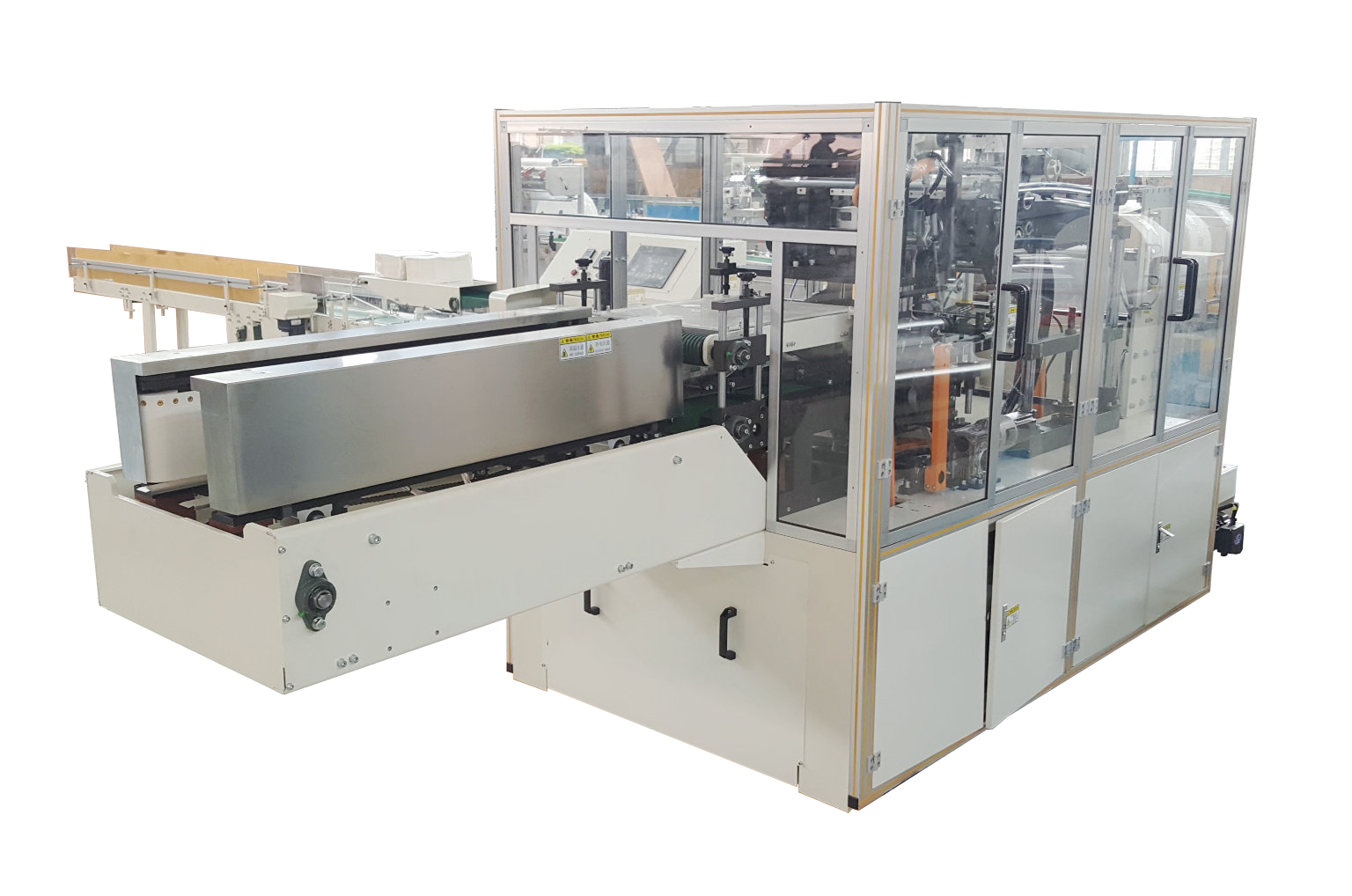
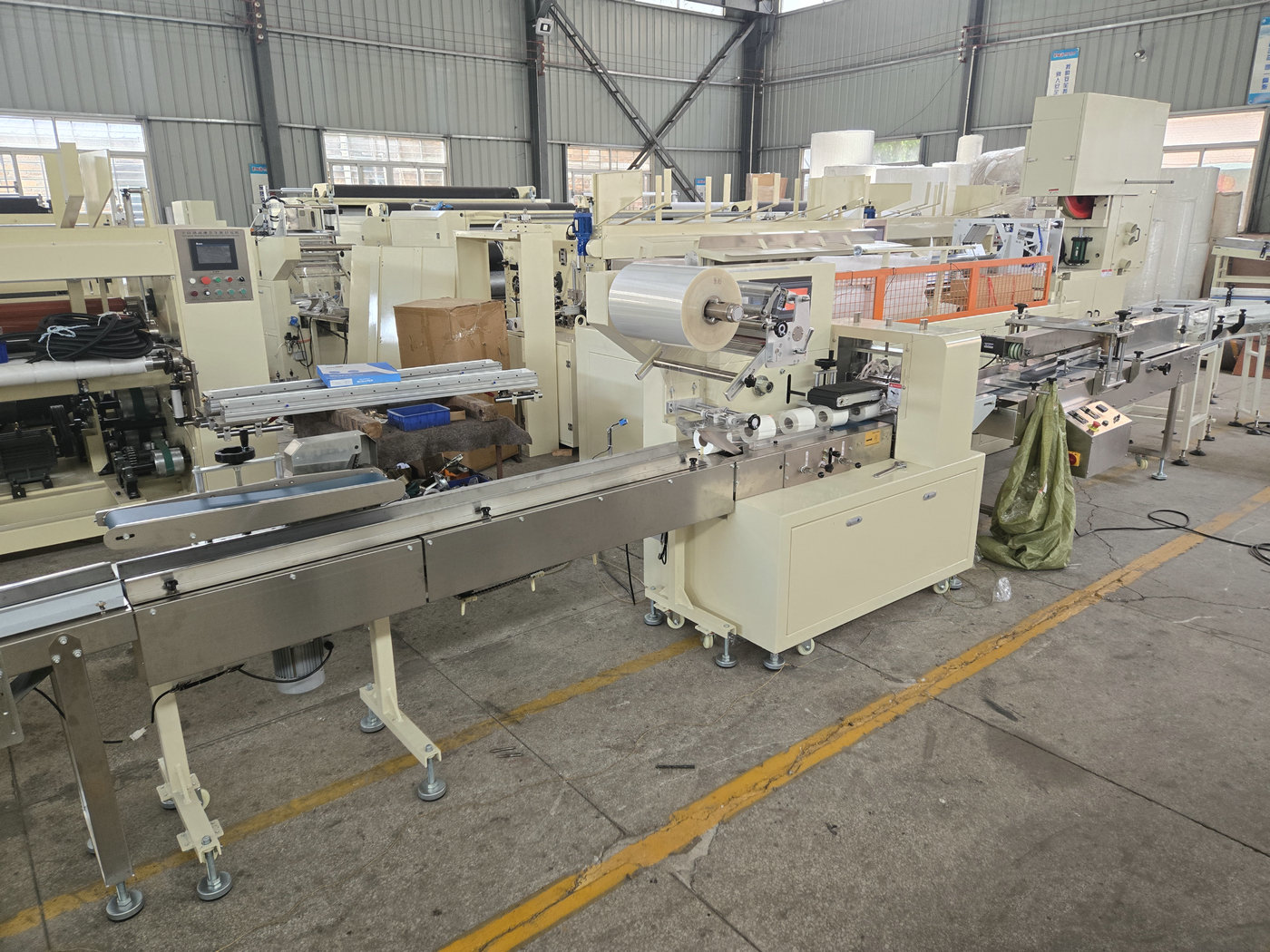
The Toilet Paper Packaging Machine is built around automated feeding, counting, stacking, film wrapping, sealing, and discharging. This integrated workflow replaces repetitive manual handling, which is often the largest hidden cost in tissue converting operations. Depending on configuration, the machine can run at high output speeds while maintaining consistent wrap tension and neat sealing edges. Because the system controls the number of rolls per pack automatically, over-packing and under-packing errors are minimized, protecting both material cost and retail compliance. The use of clear or printed packaging film improves shelf appearance and brand recognition, helping distributors sell more effectively in competitive markets. Energy-efficient motors and optimized mechanical cycles reduce power consumption per pack, lowering the total cost of ownership. Operators can learn the touchscreen interface quickly, and changeover between different pack counts or roll diameters is straightforw

Export-Focused Service and Long-Term Technical Support

Serving primary markets in the Middle East, Africa, and Southeast Europe, and expanding into South America and the former Soviet Union regions, the company understands the practical challenges of international equipment projects. Documentation, voltage configuration, and spare part planning are handled with export requirements in mind. After-sales service includes installation guidance, operator training, troubleshooting assistance, and a reliable supply of wearing parts. Because the company also manufactures tissue paper machines, napkin machines, facial tissue machines, coffee filter bag machines, paper coaster machines, and disposable household paper machinery, buyers can source related equipment from a single trusted partner. This reduces compatibility issues and simplifies project coordination. The Toilet Paper Packaging Machine is supported by technicians who understand the full tissue production chain, from jumbo roll converting to final retail packing. Spare parts are standardi

Related products

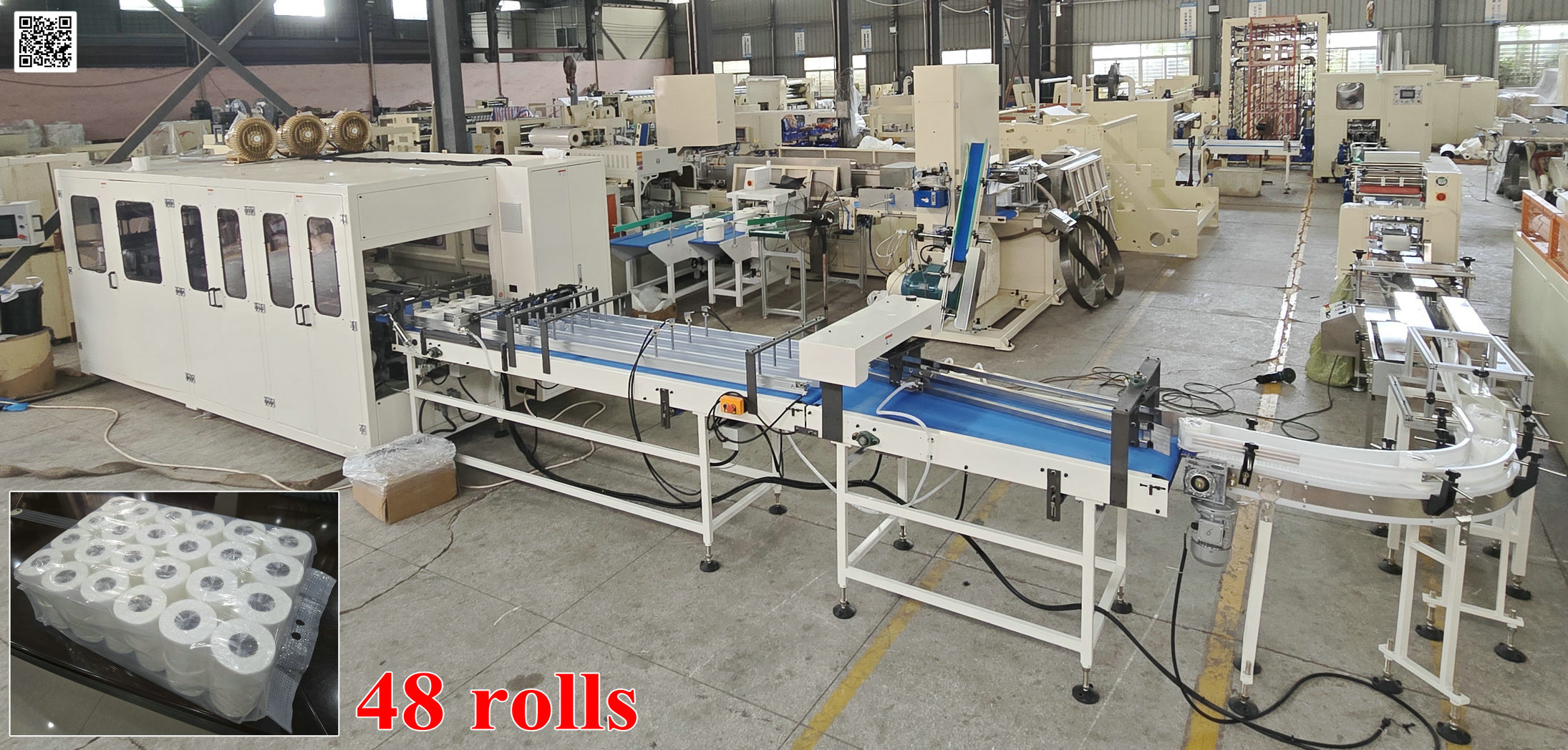
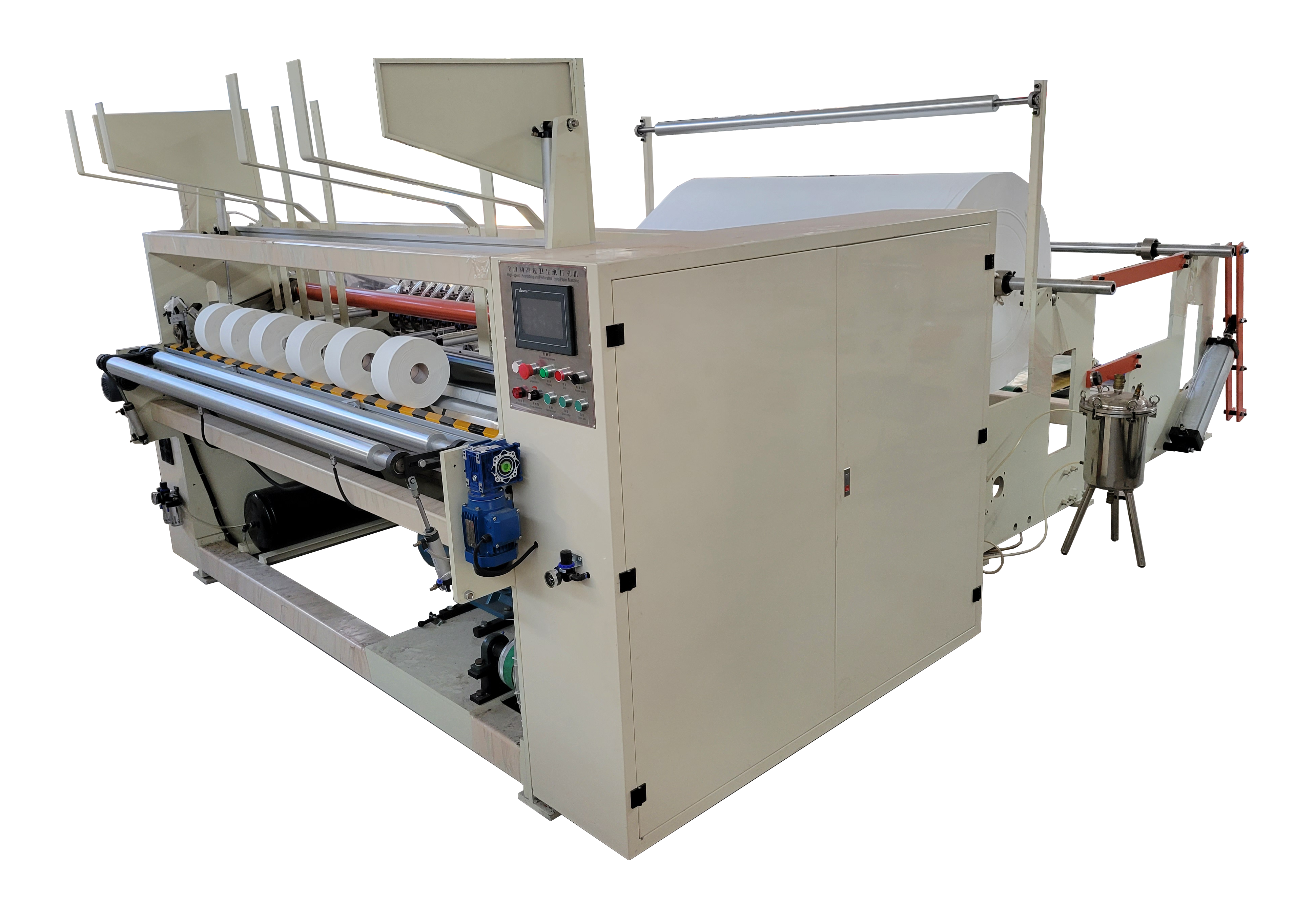
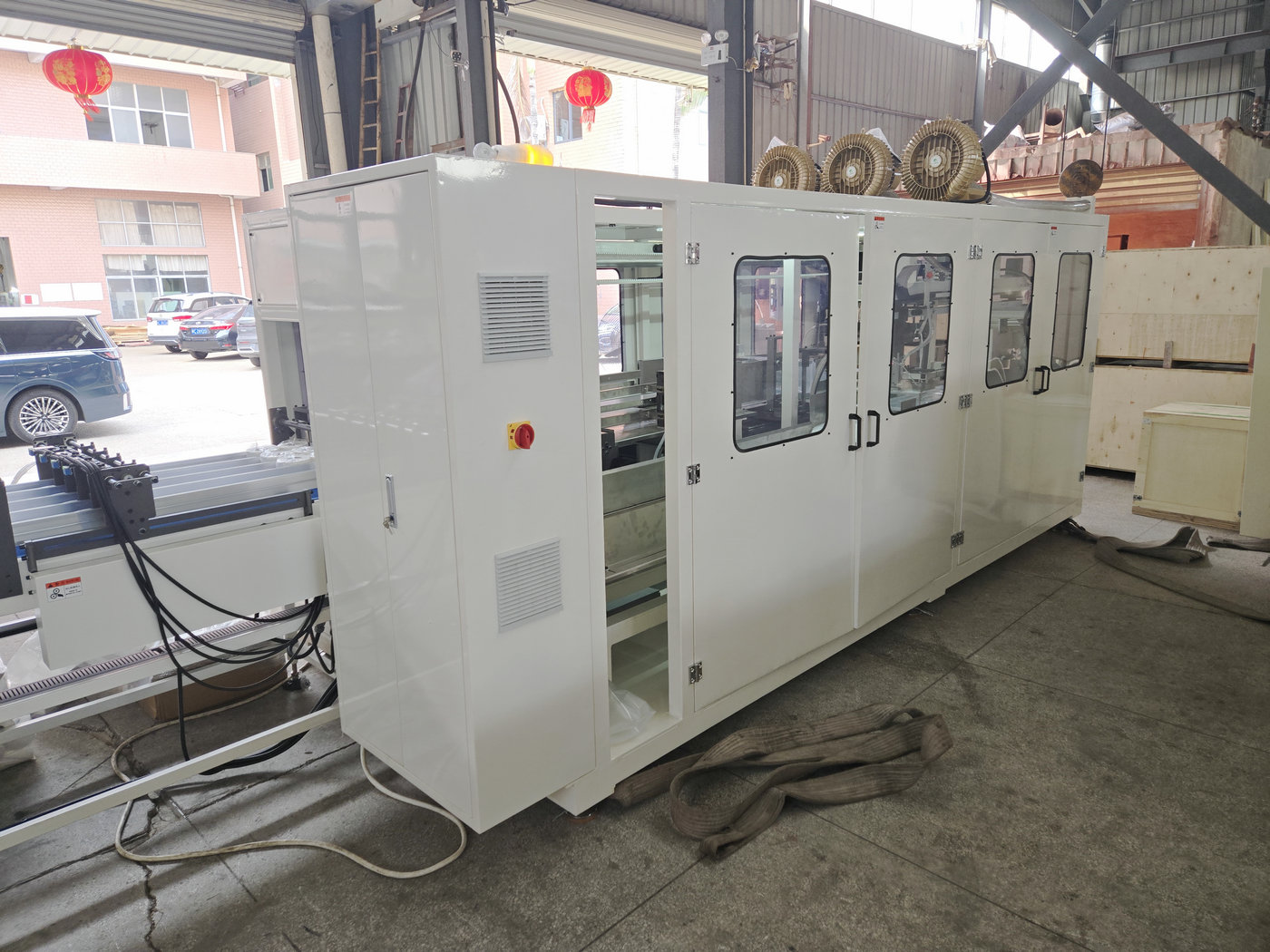
The Toilet Paper Packaging Machine plays a central role in modern tissue converting lines. After toilet paper rolls are produced and cut, they must be counted, grouped, and wrapped in a way that protects the product and appeals to retail customers. Manual packing is slow, inconsistent, and increasingly expensive as labor costs rise. An automated Toilet Paper Packaging Machine solves these problems by synchronizing mechanical motion with programmable control. Rolls enter the machine through a feeding channel, are separated and counted by sensors or mechanical dividers, and then arranged into the required pack configuration. The wrapping section applies packaging film around the group of rolls, followed by sealing and cutting to produce a neat, tight pack. Different markets prefer different pack sizes, from small retail bundles to larger family packs, and the machine can be adjusted accordingly. Film materials may include PE, CPP, or other heat-sealable options, depending on clarity, strength, and cost targets. Important technical considerations include roll diameter range, pack count, film thickness, sealing temperature control, and output speed. A well-designed Toilet Paper Packaging Machine also emphasizes operator safety, easy maintenance access, and minimal film waste. For buyers in the Middle East, Africa, Southeast Europe, South America, and the former Soviet Union regions, adaptability to local power supply and ambient conditions is essential. Regular maintenance, clean sealing blades, correct film tension, and timely replacement of worn belts or bearings keep performance stable. With proper care, the machine delivers reliable daily output and a strong return on investment.

Frequently Questions

What Roll Sizes and Pack Counts Can the Toilet Paper Packaging Machine Handle?

The machine can be configured for a range of toilet paper roll diameters and widths. Pack counts commonly include 4, 6, 8, 10, 12, or more rolls per pack, depending on market demand. Because non-standard designs are possible, buyers can specify their exact roll dimensions and preferred pack arrangement. During order confirmation, the technical team reviews roll samples or drawings to ensure the feeding, counting, and wrapping sections match the product. This avoids trial-and-error after delivery and shortens installation time.
The Toilet Paper Packaging Machine is generally compatible with heat-sealable films such as PE and CPP, as well as printed films for branding. Film thickness and width should be selected according to pack weight, sealing performance, and cost targets. The sealing system allows temperature and pressure adjustment, which helps prevent weak seals or film burning. Buyers should confirm film specifications with the supplier before shipment so that the sealing parameters can be pre-set and tested.
Typically, one or two operators can manage normal running, film replacement, and basic quality checks. The automated feeding, counting, wrapping, and sealing functions remove most manual handling. This significantly reduces labor intensity and improves workplace safety. Additional staff may be needed for packing finished cartons or palletizing, depending on the layout. For growing factories, the reduced labor requirement helps control operating costs and allows workers to be assigned to higher-value tasks.
Yes. For export projects, the supplier provides installation guidance, commissioning support, and operator training. Depending on destination and project size, support can be provided remotely or through on-site technicians. Training covers daily operation, film loading, parameter setting, and basic troubleshooting. Buyers receive documentation and maintenance recommendations. This service model is designed for clients in the Middle East, Africa, Southeast Europe, South America, and the former Soviet Union regions, where local technical support may be limited.
Routine maintenance includes cleaning sealing blades, checking film tension, lubricating moving parts, and inspecting belts, bearings, and sensors. Worn components should be replaced with standard spare parts to avoid performance loss. Keeping the machine clean and dry protects electrical components, especially in humid or dusty environments. A simple daily and weekly checklist helps prevent unexpected stops. With consistent maintenance, the Toilet Paper Packaging Machine can deliver stable output for many years.

Related article

Regular maintenance extends toilet paper machine service life.

24

Jul

Regular maintenance extends toilet paper machine service life.

Real Factory Downtime Case Ignoring Standard Maintenance Cycles Our global after-sales technical team has provided long-term follow-up service for tissue manufacturers across the Middle East, Africa, South America and CIS areas over the past decad...
View More
Commercial toilet paper machine meets supermarket supply demands.

15

Aug

Commercial toilet paper machine meets supermarket supply demands.

Choosing suitable tissue grades is an important step in napkin paper production. The characteristics of the base paper influence machine configuration, production stability, embossing quality, folding performance, and the final appearance of finished...
View More
Empowering a Middle Eastern Paper Giant: The Leap from Semi-Automation to Industry 4.0

26

May

Empowering a Middle Eastern Paper Giant: The Leap from Semi-Automation to Industry 4.0

View More
Defining European Excellence: Tailored Napkin Solutions for an Italian Eco-Brand

26

May

Defining European Excellence: Tailored Napkin Solutions for an Italian Eco-Brand

View More

Customer Testimonials

Ahmed R.
Reliable Output and Easy Operation for Our Tissue Line

We installed this Toilet Paper Packaging Machine two years ago and it has become the backbone of our finishing line. The counting accuracy is excellent, and the wrapped packs look clean and professional for our retail customers. Training our operators took only a few days. When we needed spare parts, the response was quick and the guidance was clear. It has reduced our labor cost significantly and we are now planning to add another unit.

Elena M.
Strong Build Quality and Good Support for Export Projects

As a distributor, I need machines that survive tough working conditions and are easy to service. This Toilet Paper Packaging Machine has a strong frame, well-organized control system, and sensible maintenance access. The supplier understood our voltage and documentation requirements from the start. Our clients in the region are satisfied with the packing speed and film sealing quality. Communication was professional throughout the order, and the machine arrived well protected.

Get a Free Quote

Our representative will contact you soon.
Name
Email
Mobile/WhatsApp
Company Name
Message
0/1000
Integrated Automatic Workflow From Feeding to Sealing

Integrated Automatic Workflow From Feeding to Sealing

The Toilet Paper Packaging Machine combines feeding, counting, arranging, film wrapping, sealing, and output in one synchronized system. This integration reduces manual transfer points, minimizes product damage, and keeps pack quality consistent. For producers, it means fewer bottlenecks, smoother production flow, and better use of floor space. The control system coordinates each stage so that changes in roll size or pack count can be managed with simple adjustments, helping factories respond quickly to different orders.
Customizable Design for Diverse International Markets

Customizable Design for Diverse International Markets

Because buyers in different regions prefer different roll sizes, pack counts, and film appearances, the machine can be designed and manufactured to match specific requirements, including non-standard configurations. Voltage, plug types, safety guards, and documentation can be adapted for export destinations. This flexibility helps importers and manufacturers avoid costly modifications after delivery. It also allows distributors to offer tailored solutions to their own customers, strengthening their competitive position in local markets.
online
onlineONLINE