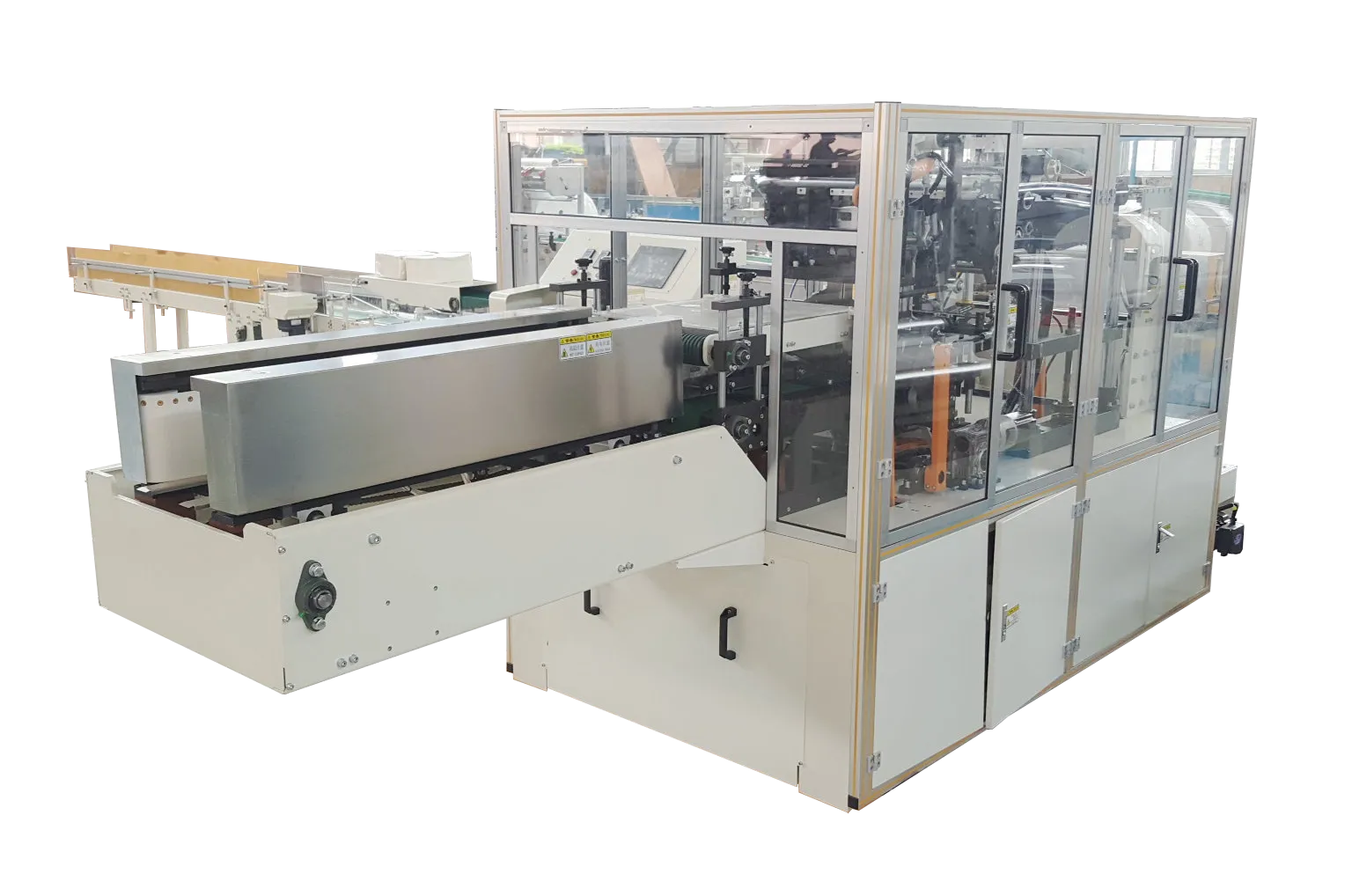
Durable Design for Continuous Production
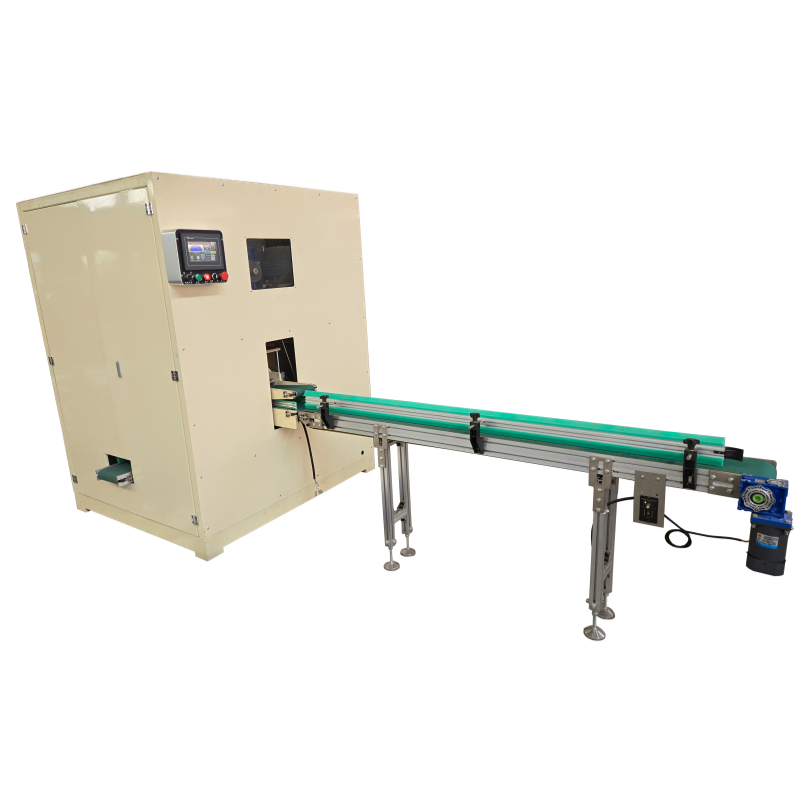
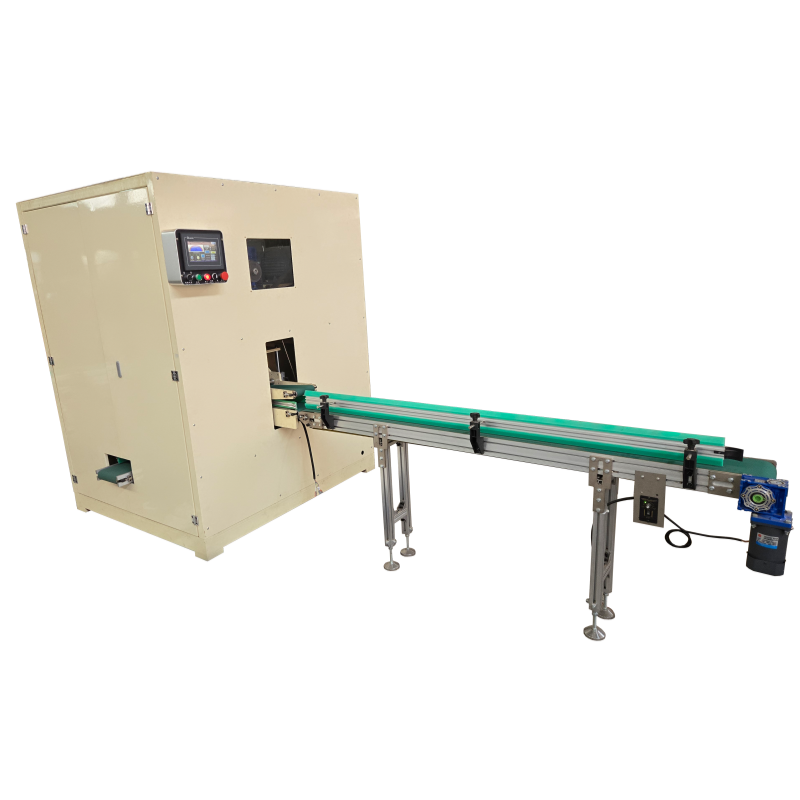
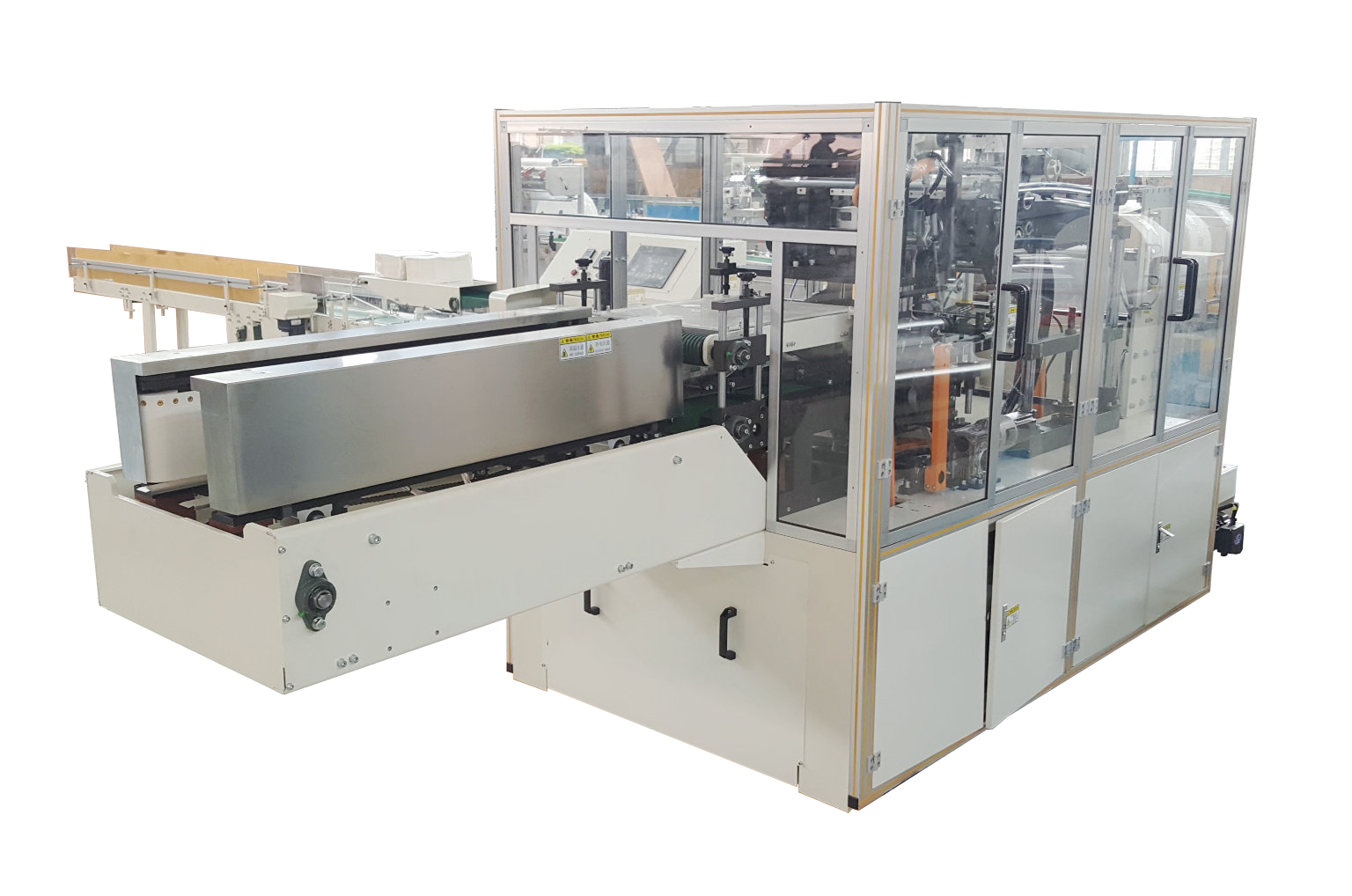
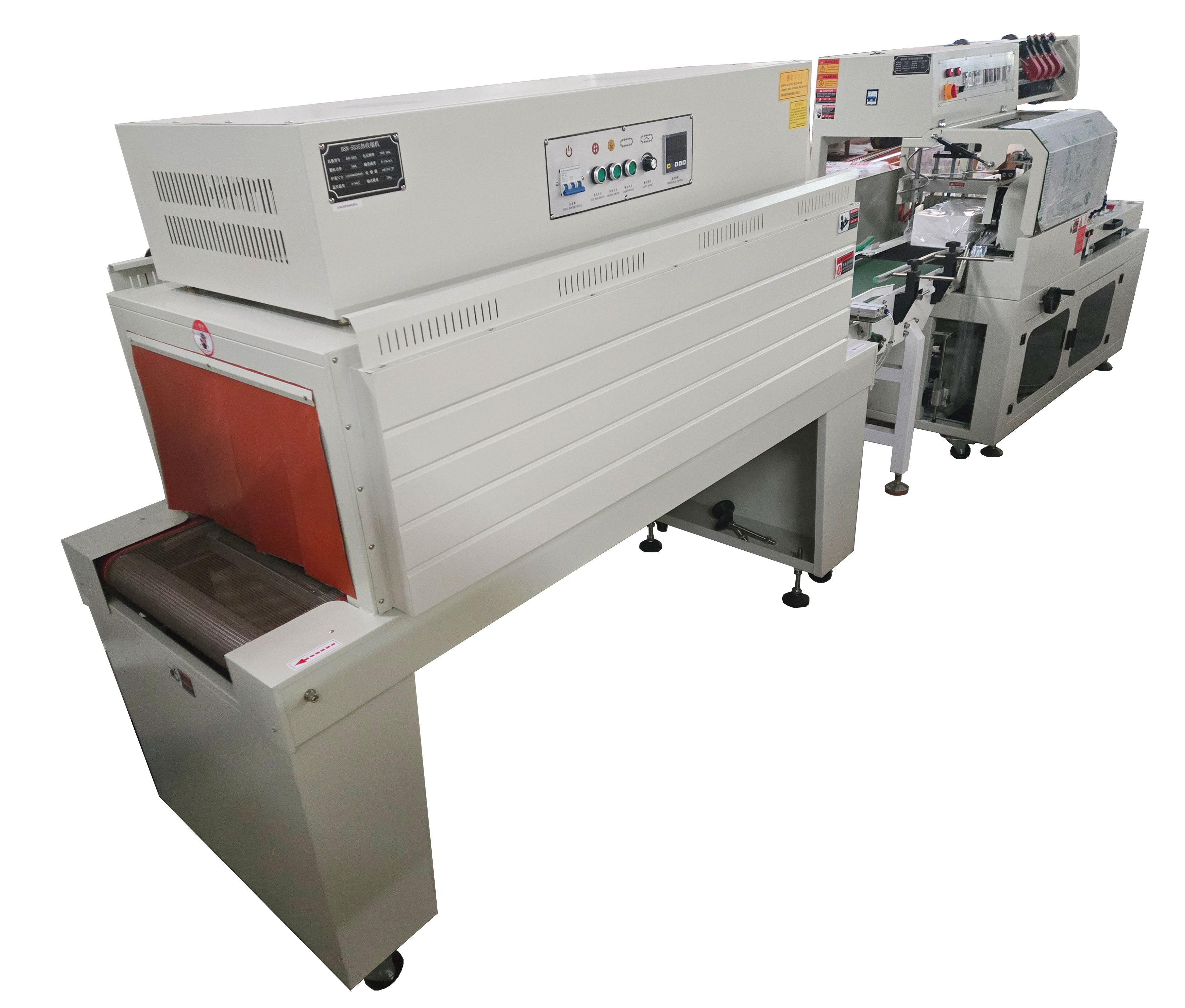
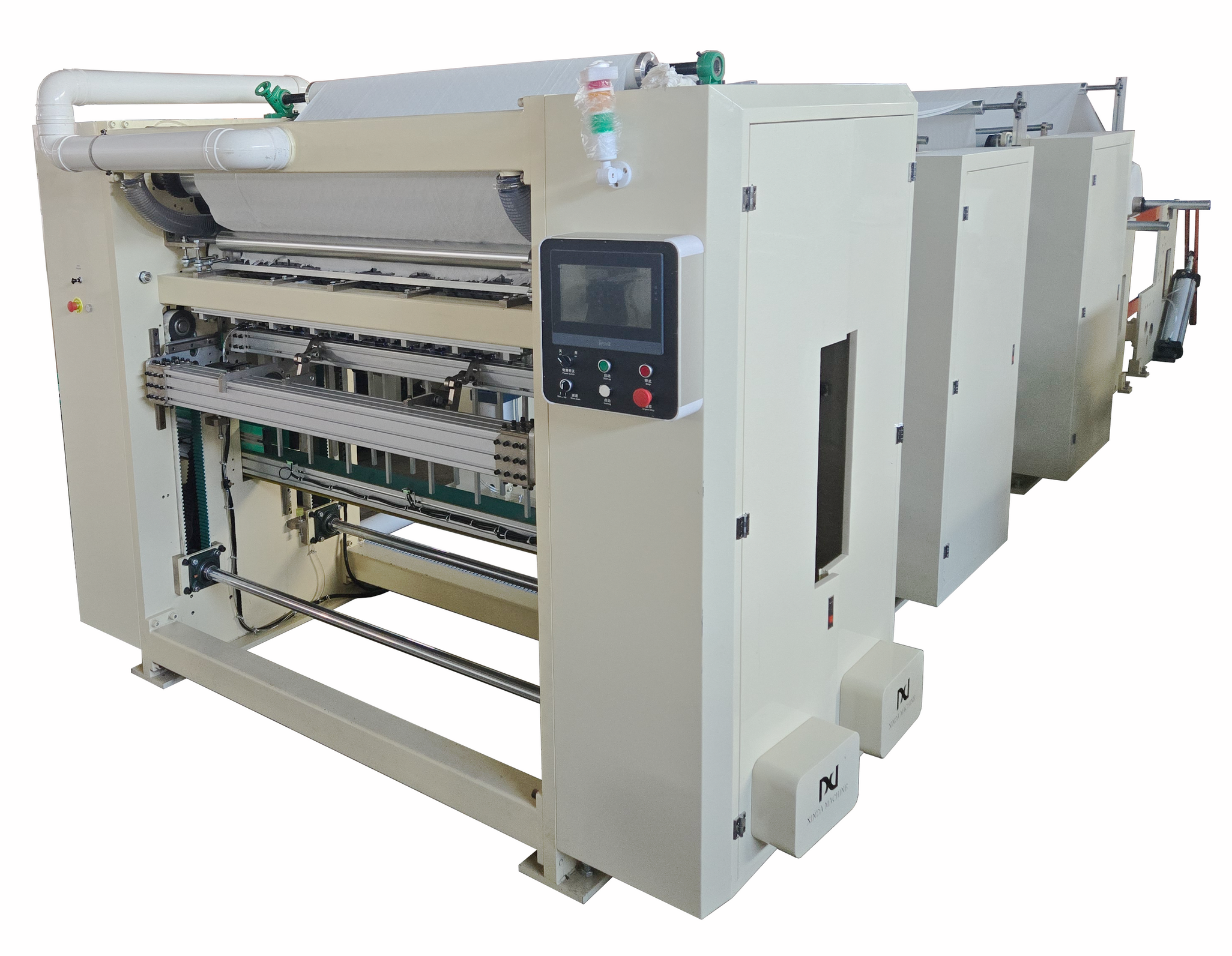
Crafted with a robust, industrial-grade frame that stands firm against the relentless rhythm of factory floors, the tissue slitting machine boasts reliable tension control systems—smooth, precise, and unyielding—to ensure every delicate sheet glides through with unwavering consistency. Its design prioritizes accessible maintenance points, each panel and component thoughtfully positioned for quick, easy access, turning routine upkeep into a seamless, time-efficient task. Engineered for continuous operation, this machine hums along day after day, a silent workhorse that minimizes unexpected halts and downtime. In doing so, it becomes a steadfast ally to factories, helping them maintain a steady, unwavering daily output. With reduced labor pressure, workers breathe easier, their focus shifting from constant troubleshooting to more productive tasks, all while the machine’s rhythmic whir and soft hum create a harmonious backdrop to the efficient, unceasing dance of production.

 EN