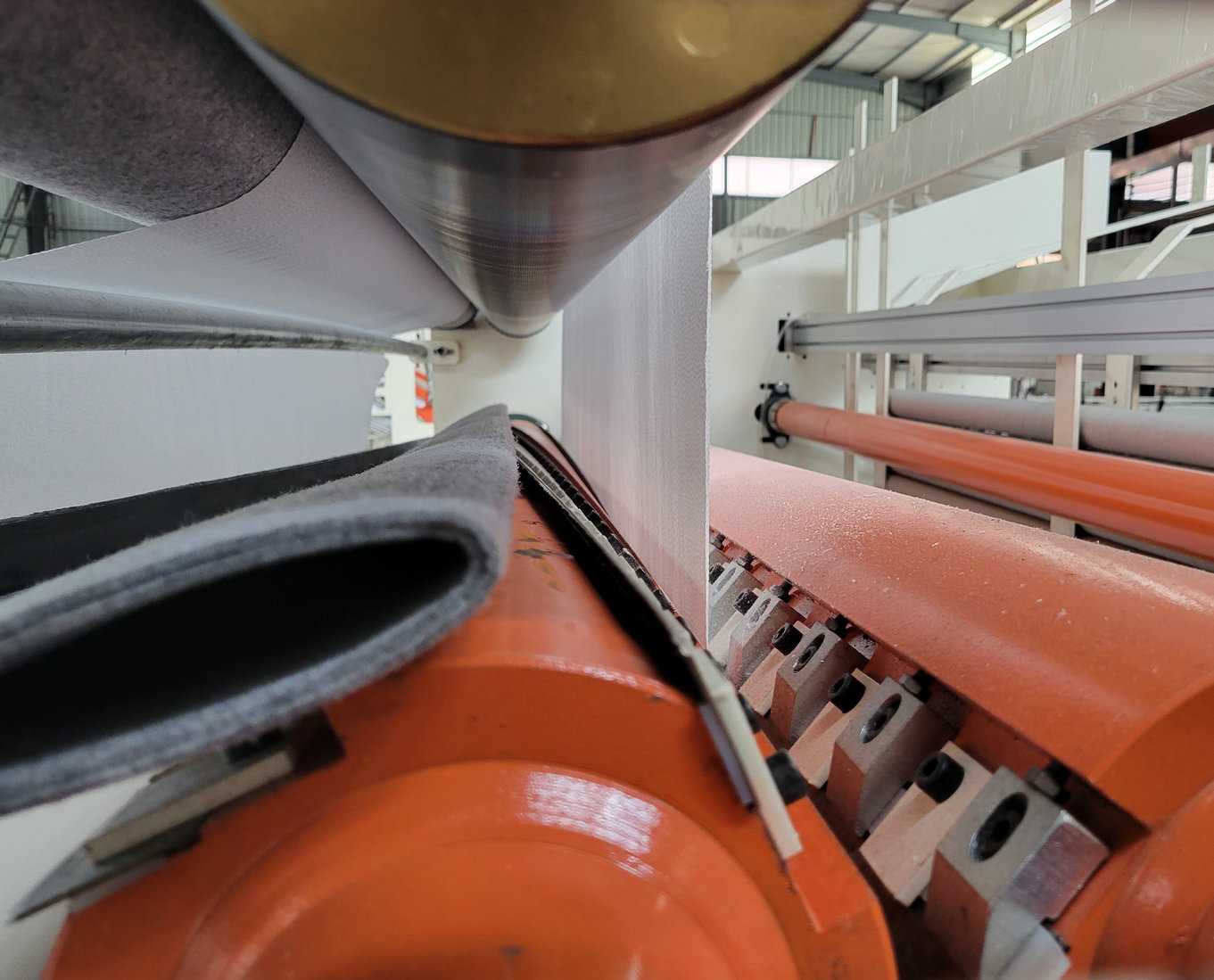
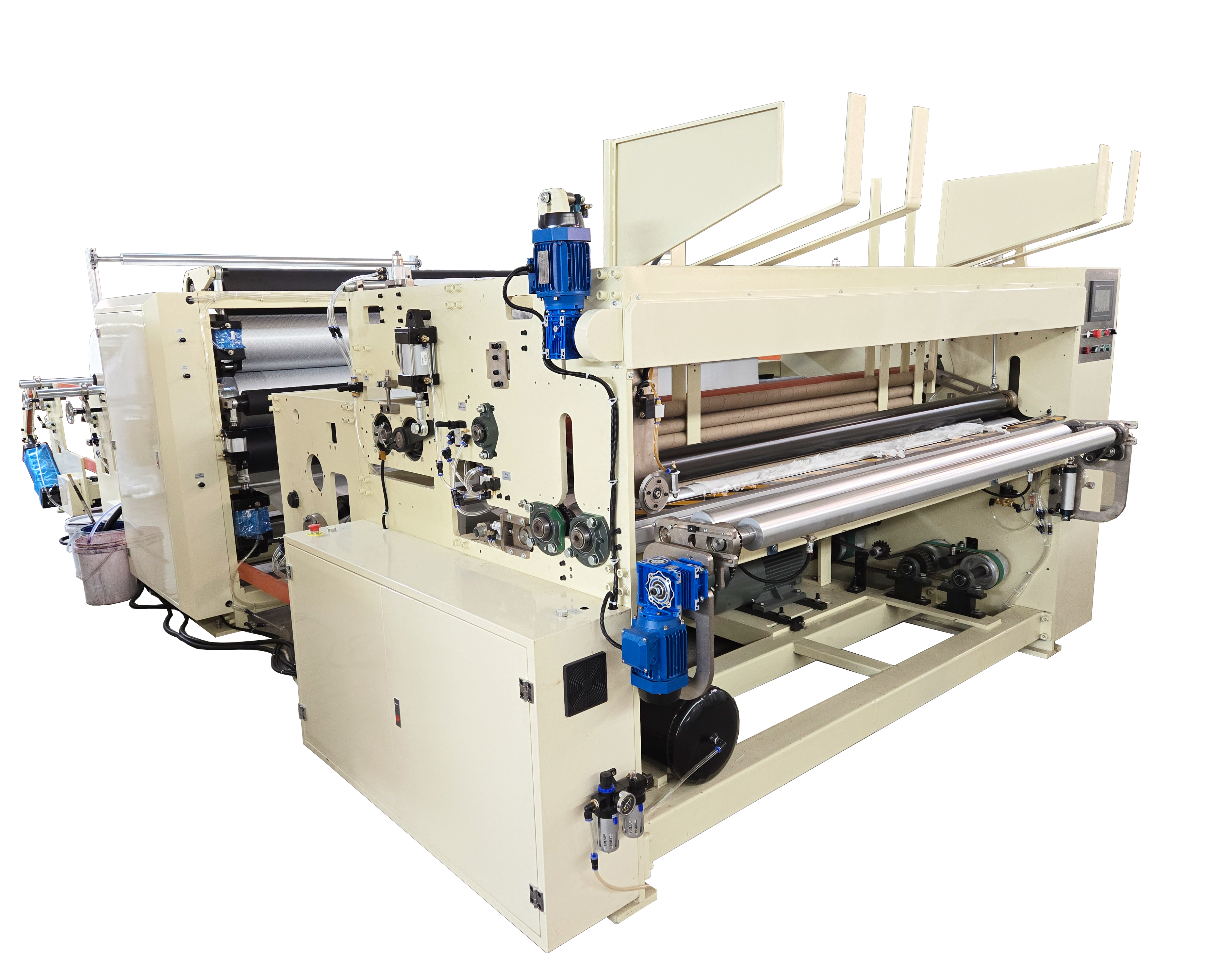
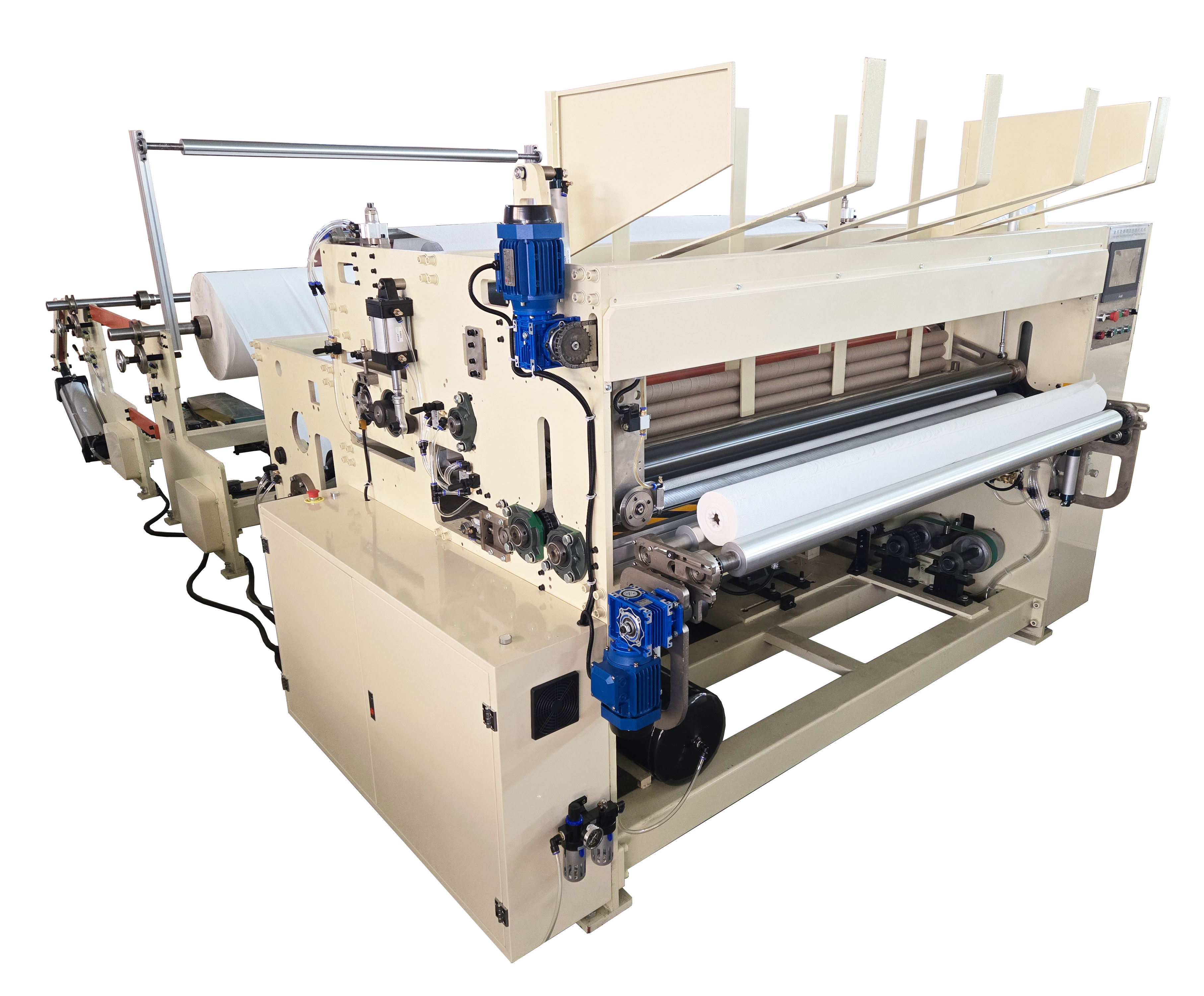
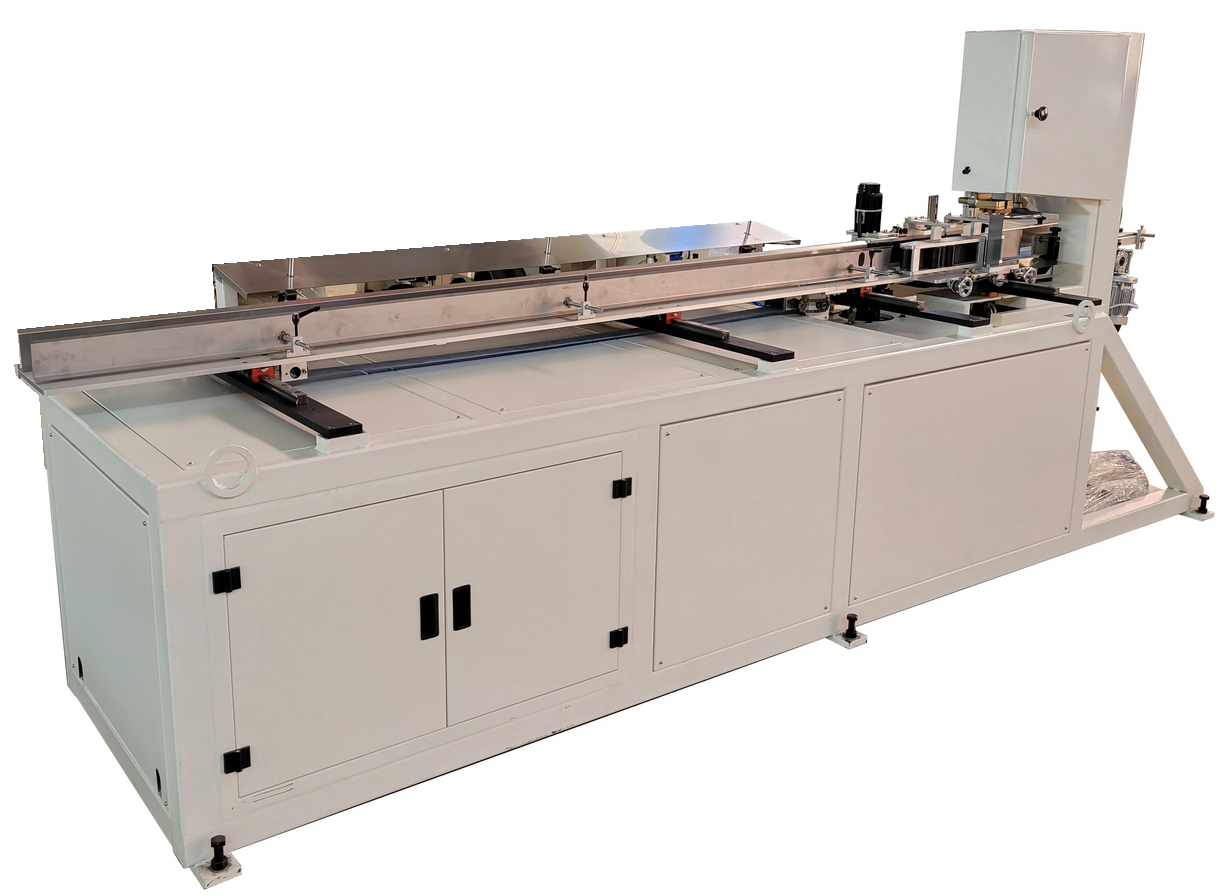
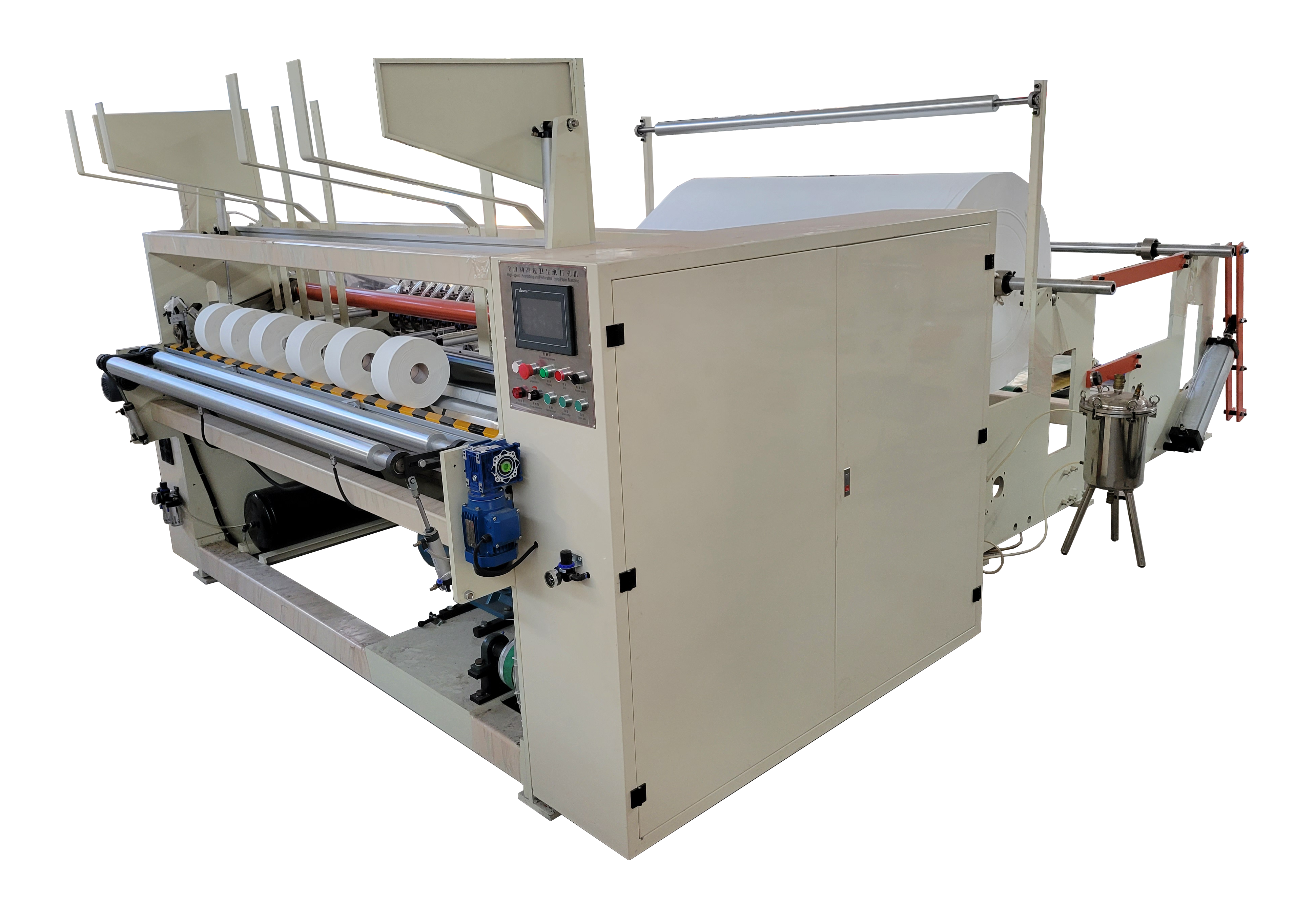
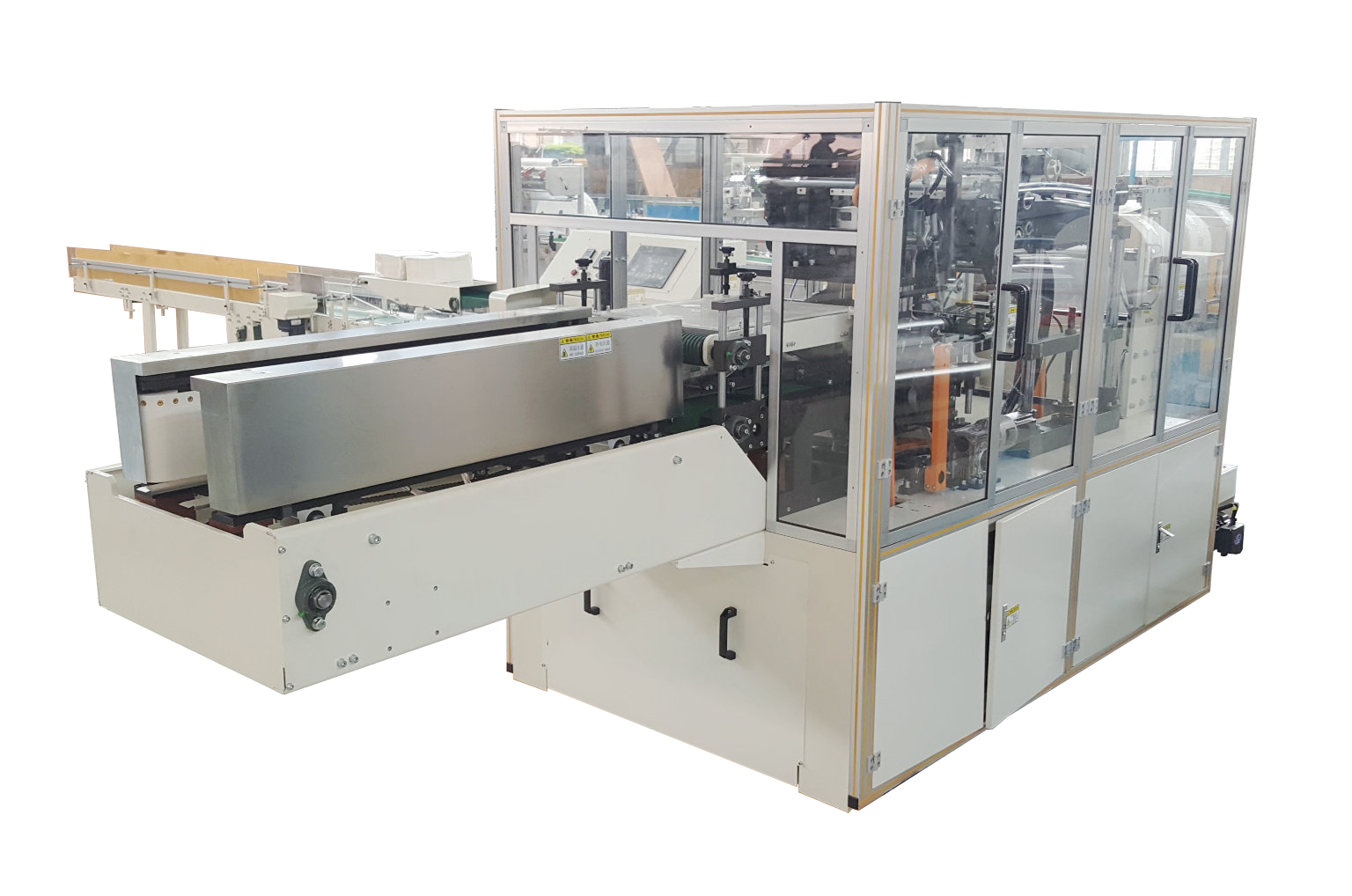
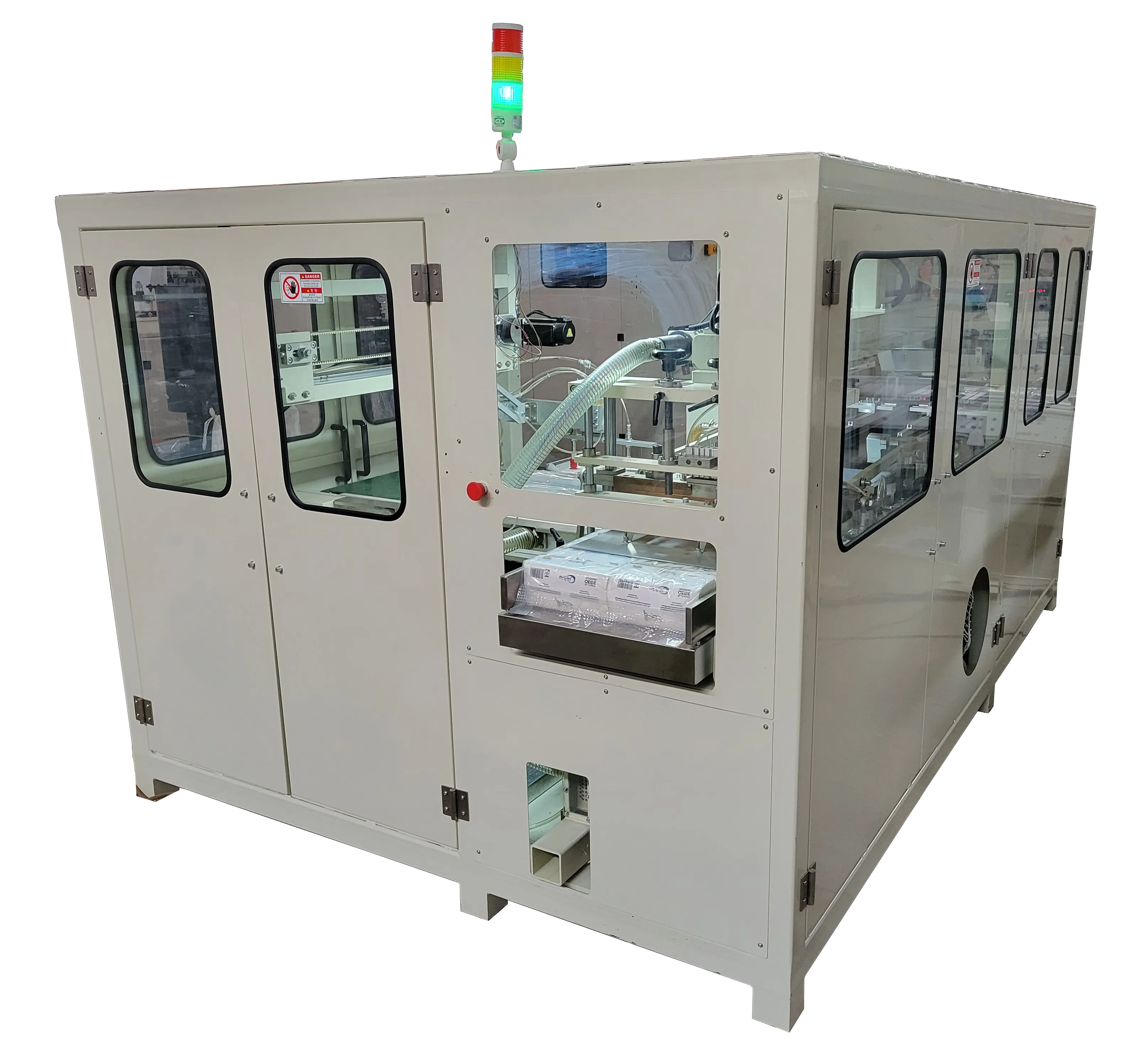
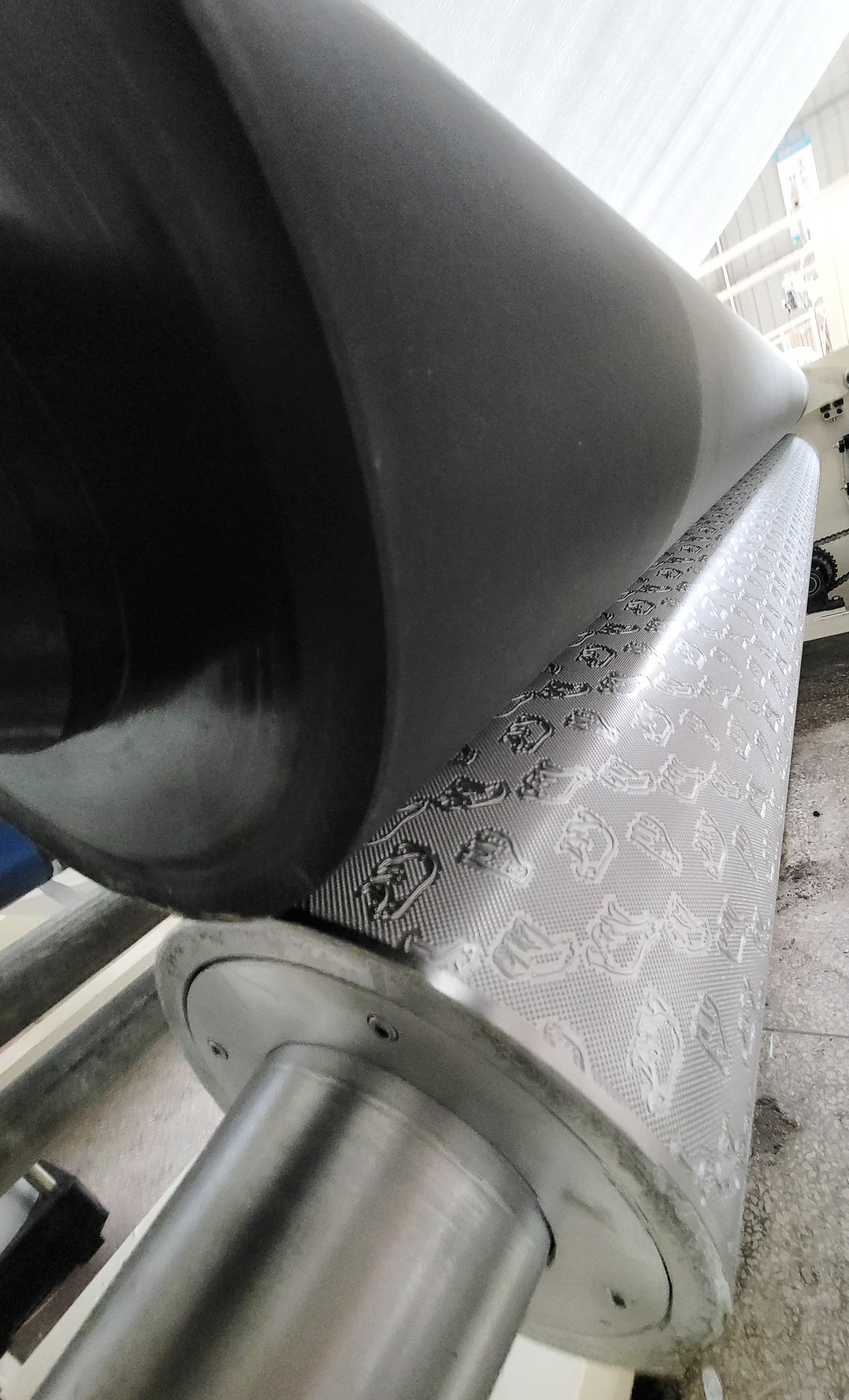
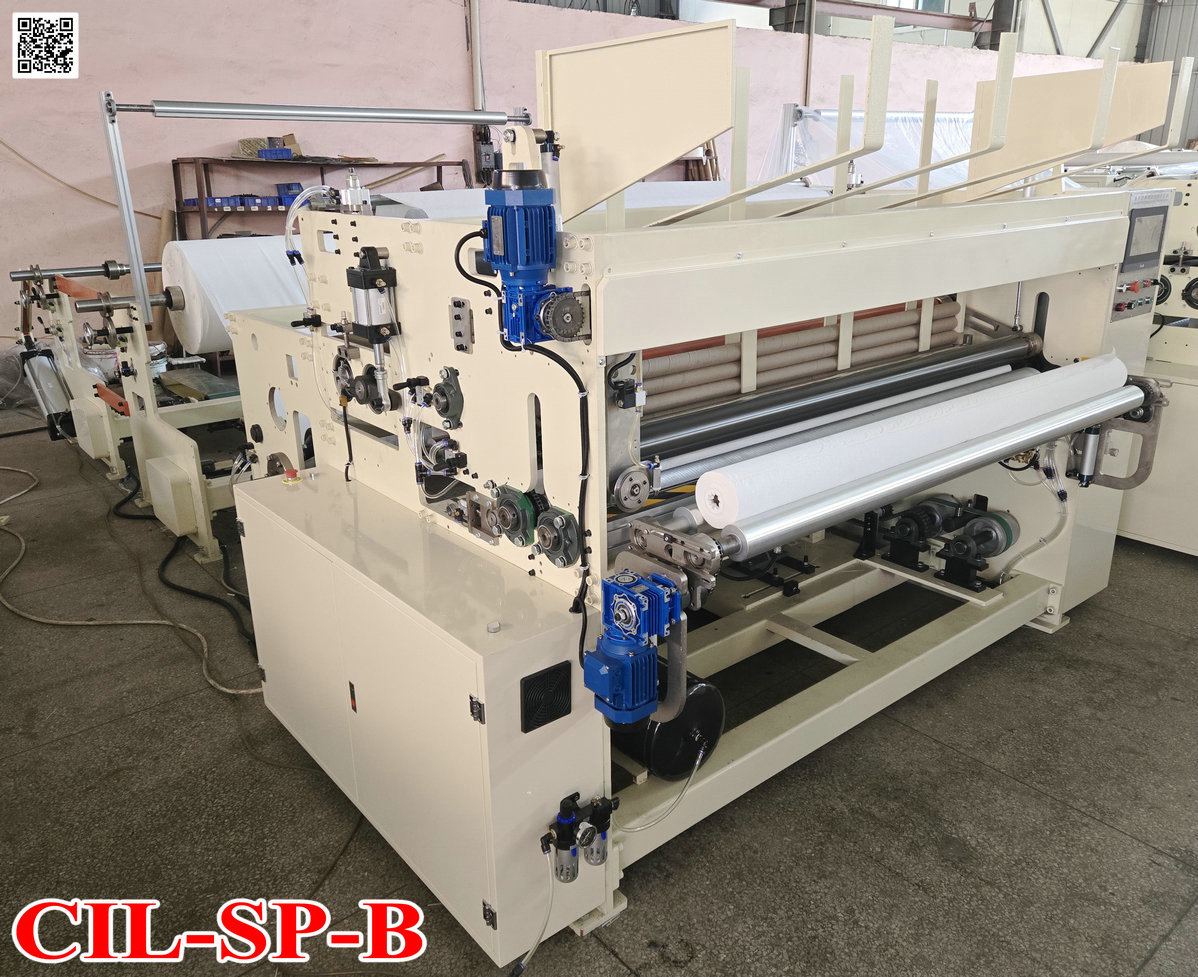
The decision to buy a Toilet Paper Rewinding Machine Small Business system usually comes from one clear goal: produce finished toilet paper locally instead of importing expensive branded products. The process starts with jumbo rolls, which are large parent reels made by a paper mill. These rolls are loaded onto the unwinding stand of the rewinder. As the paper travels forward, it passes through an embossing section that can add texture and improve softness, then through a perforation unit that creates the tear line between sheets. The paper is wound around cardboard cores until the preset sheet count is reached. The operator removes the finished log and places it on the log saw, which cuts it into the final roll width. After cutting, rolls go to packing, either manually or with an automatic wrapping machine. For a small business, the key is matching machine speed to realistic market demand. A compact rewinder with moderate speed is often better than a high-speed line that sits idle. Consider your power supply, available labor, and the types of jumbo rolls you can source locally. Two-ply products usually need two unwinding stands and a reliable tension system; single-ply products are simpler and cheaper to produce. Embossing patterns should reflect local taste, and perforation spacing should match common retail standards. Maintenance is simple when the machine is cleaned daily and lubricated on schedule. Keep spare perforation blades, belts, and core holders on hand to avoid long stops. Many successful operators begin with one rewinding line, build relationships with hotels, restaurants, and supermarkets, then add a second shift or a second machine. This step-by-step growth keeps risk low and cash flow healthy. With proper training and responsive after-sales support, a Toilet Paper Rewinding Machine Small Business can deliver consistent quality, reduce reliance on imports, and create jobs in the community. The most important factors are stable raw material supply, disciplined quality checks, and a clear understanding of the local selling price per roll.
ONLINE