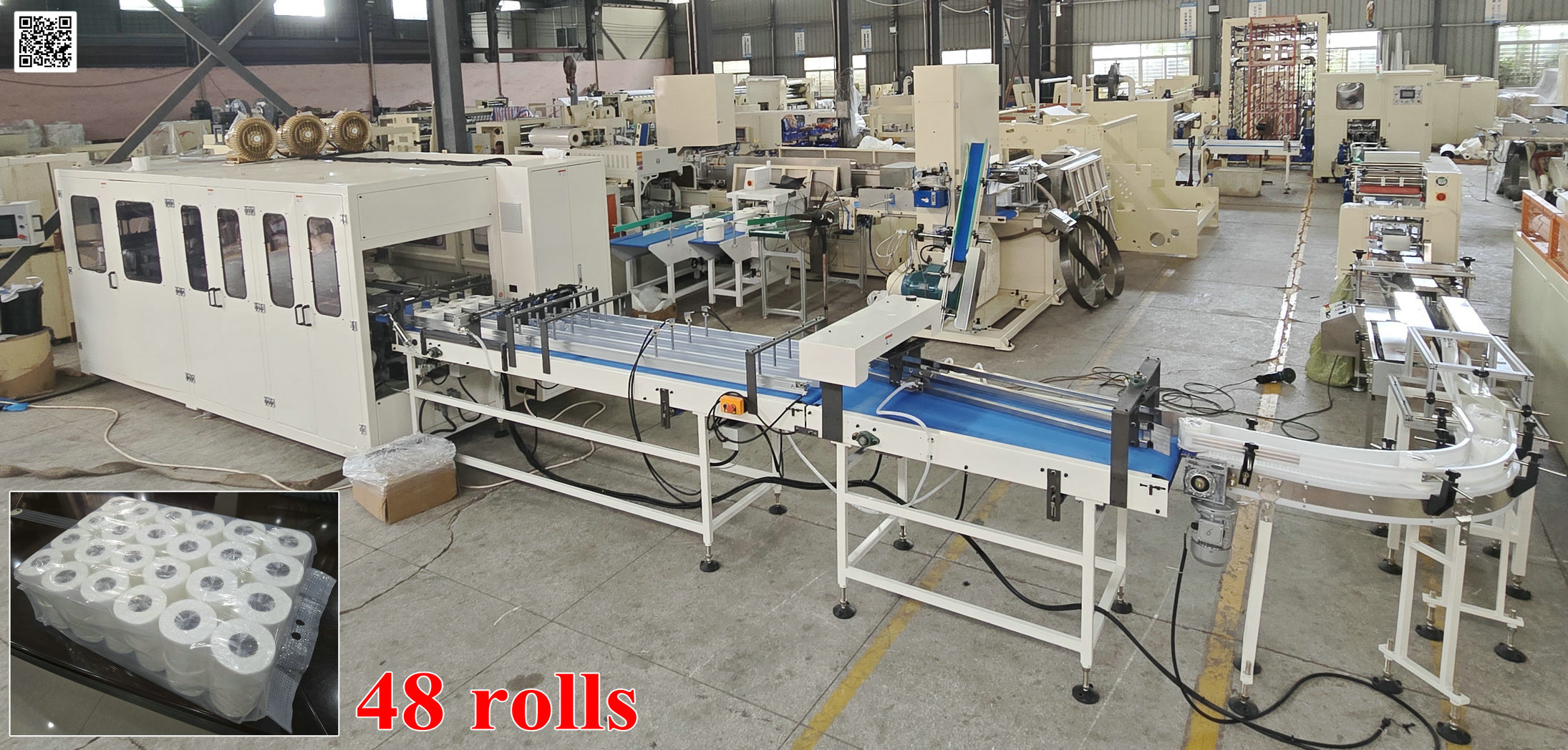
Integrated Line from Pulp to Packaged Rolls
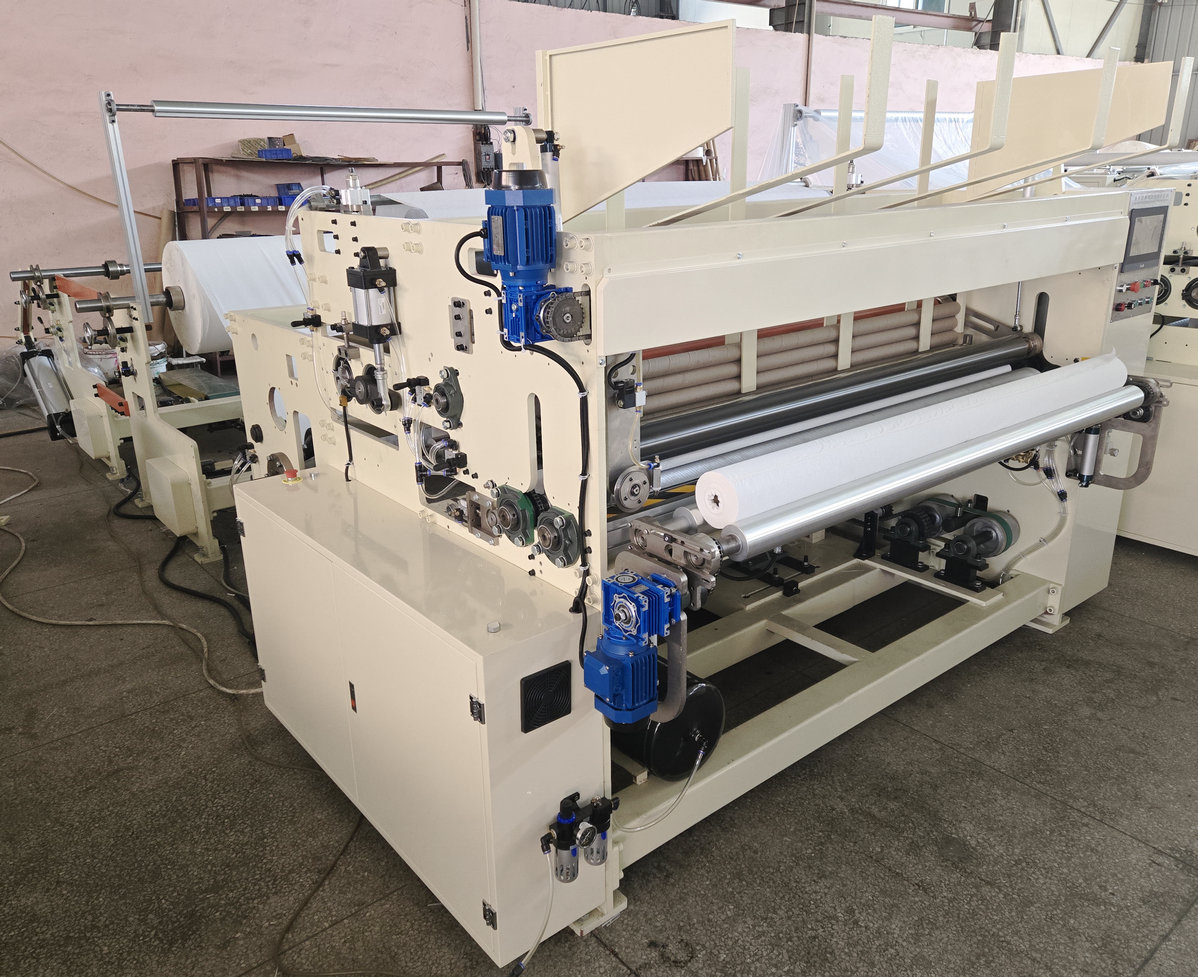
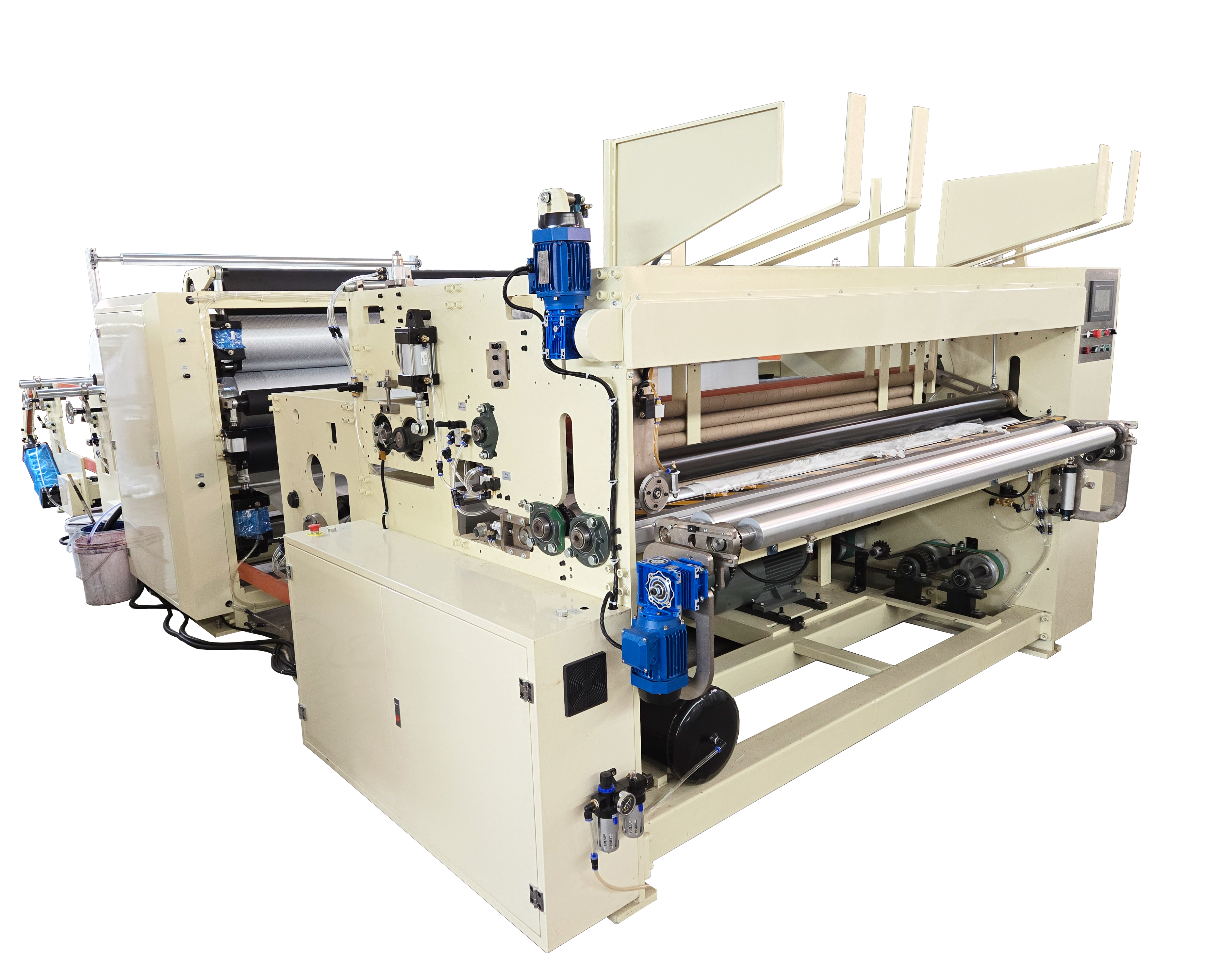
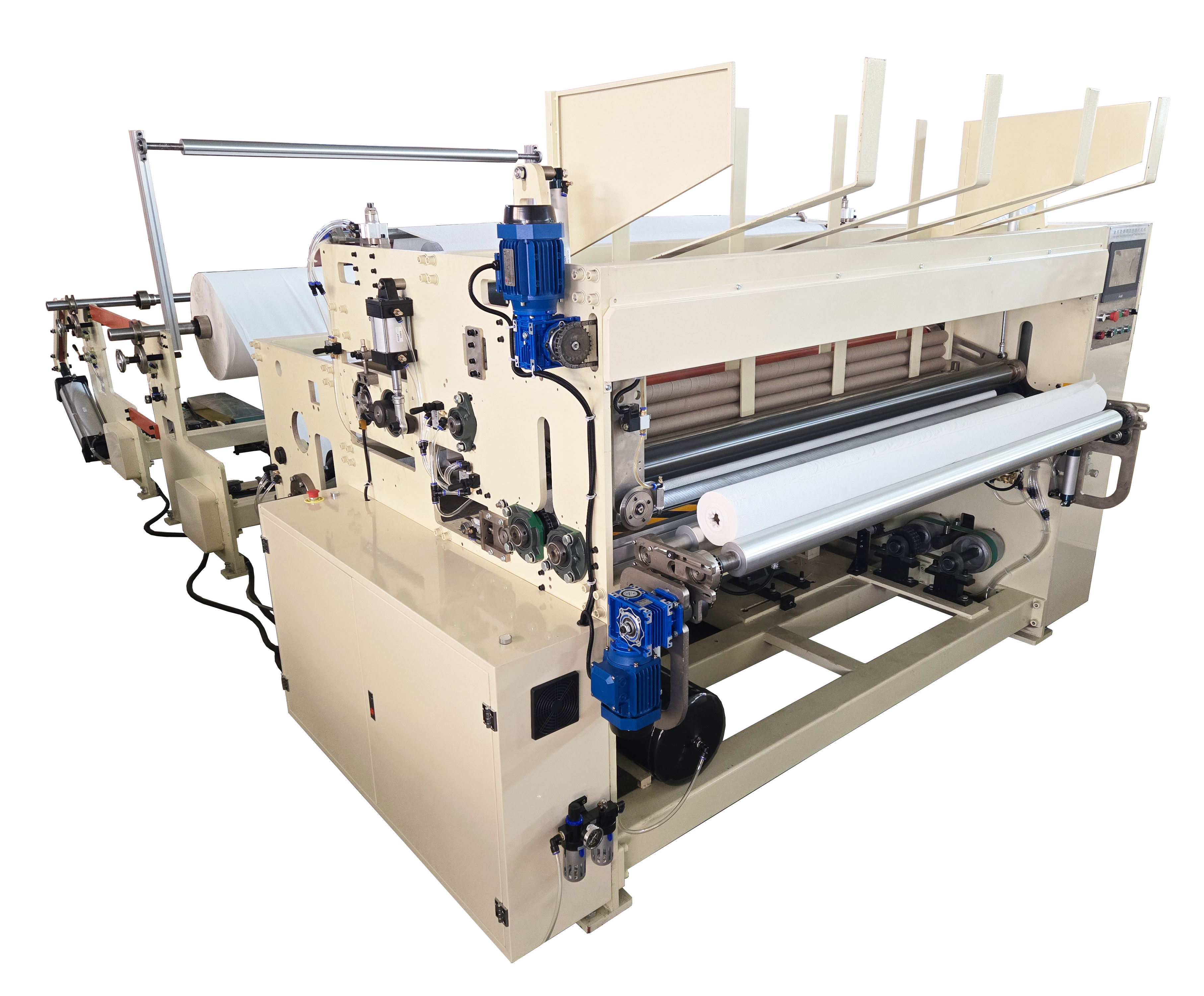
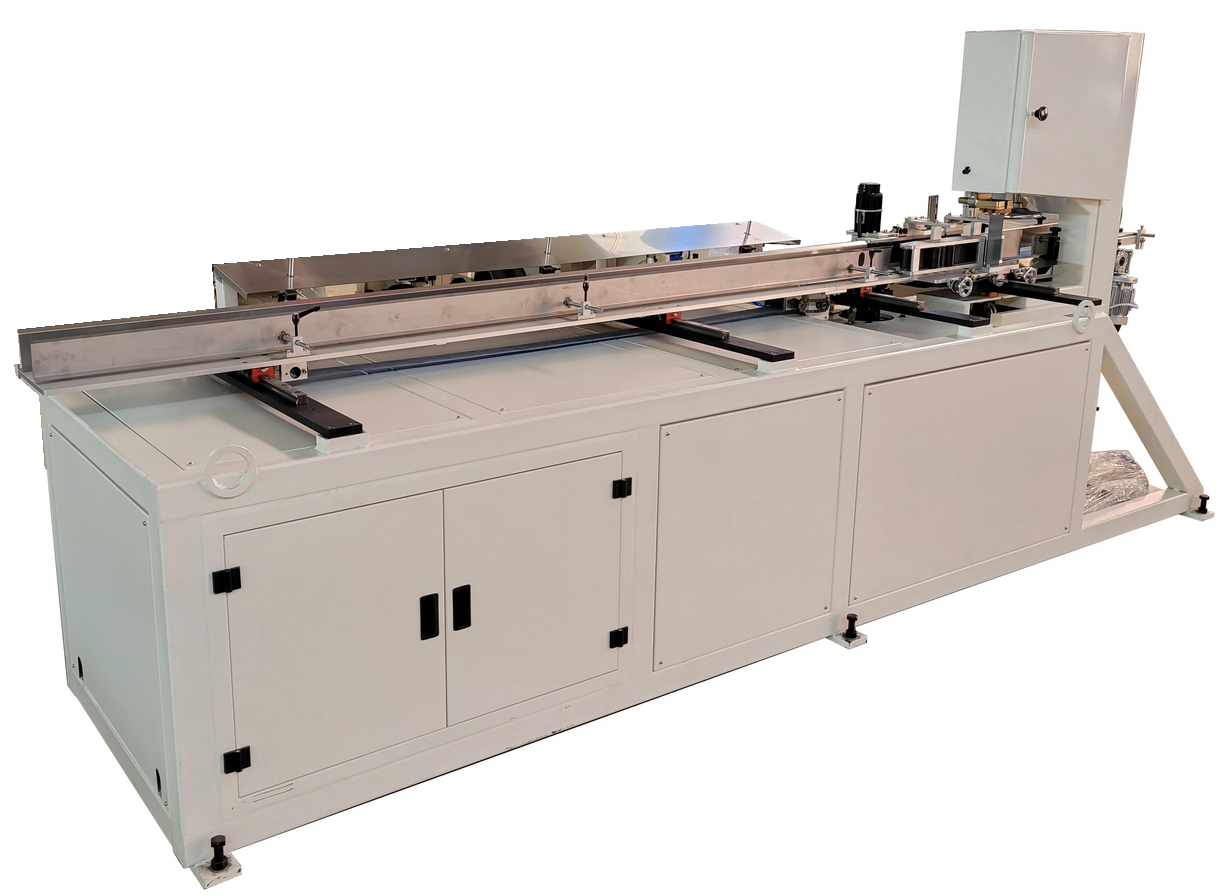
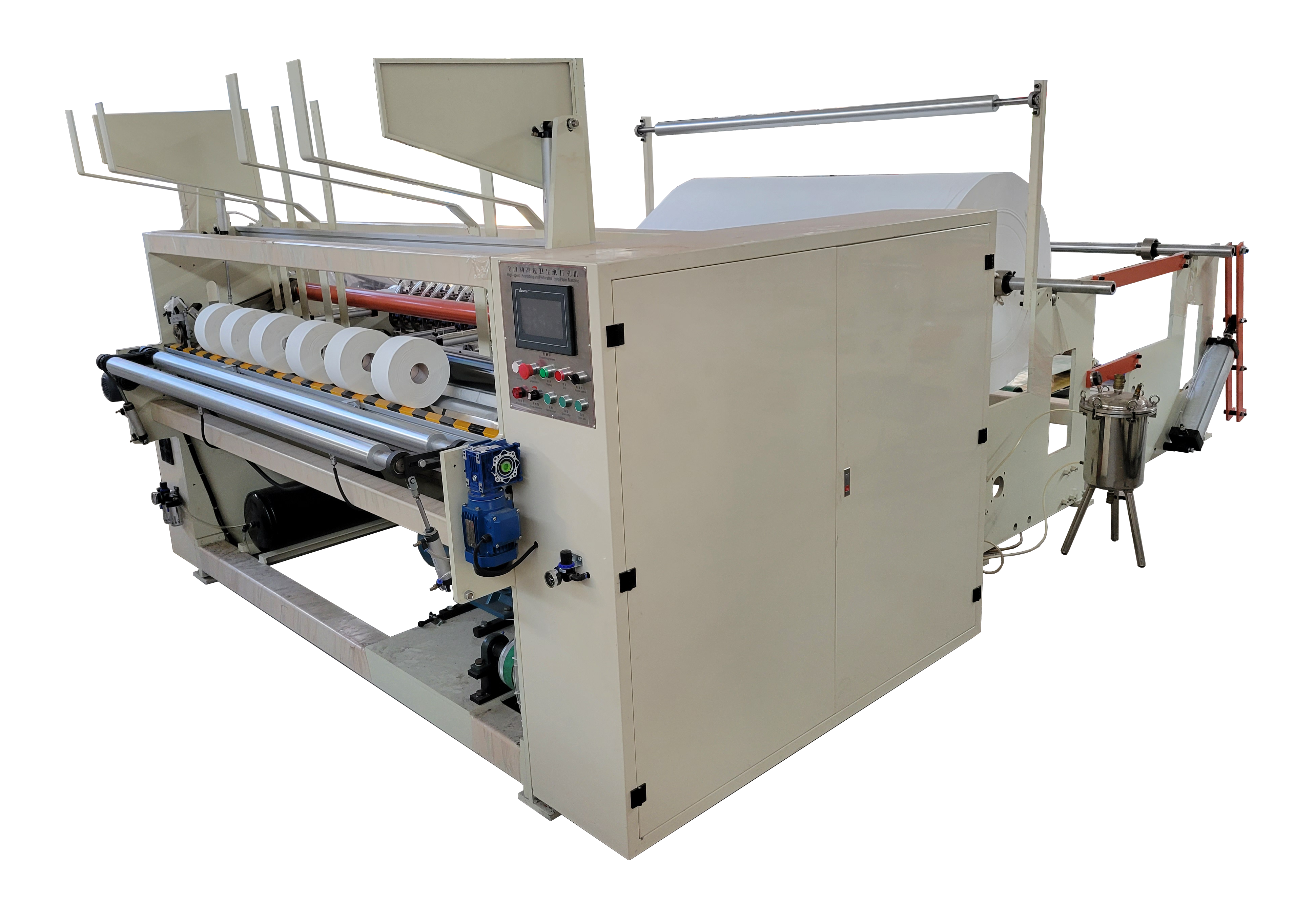
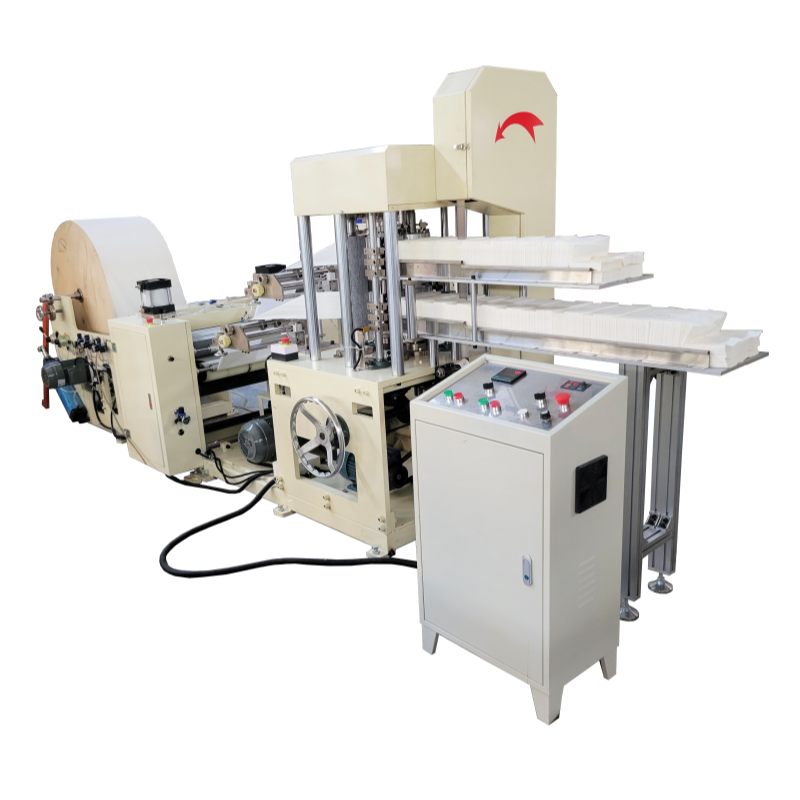
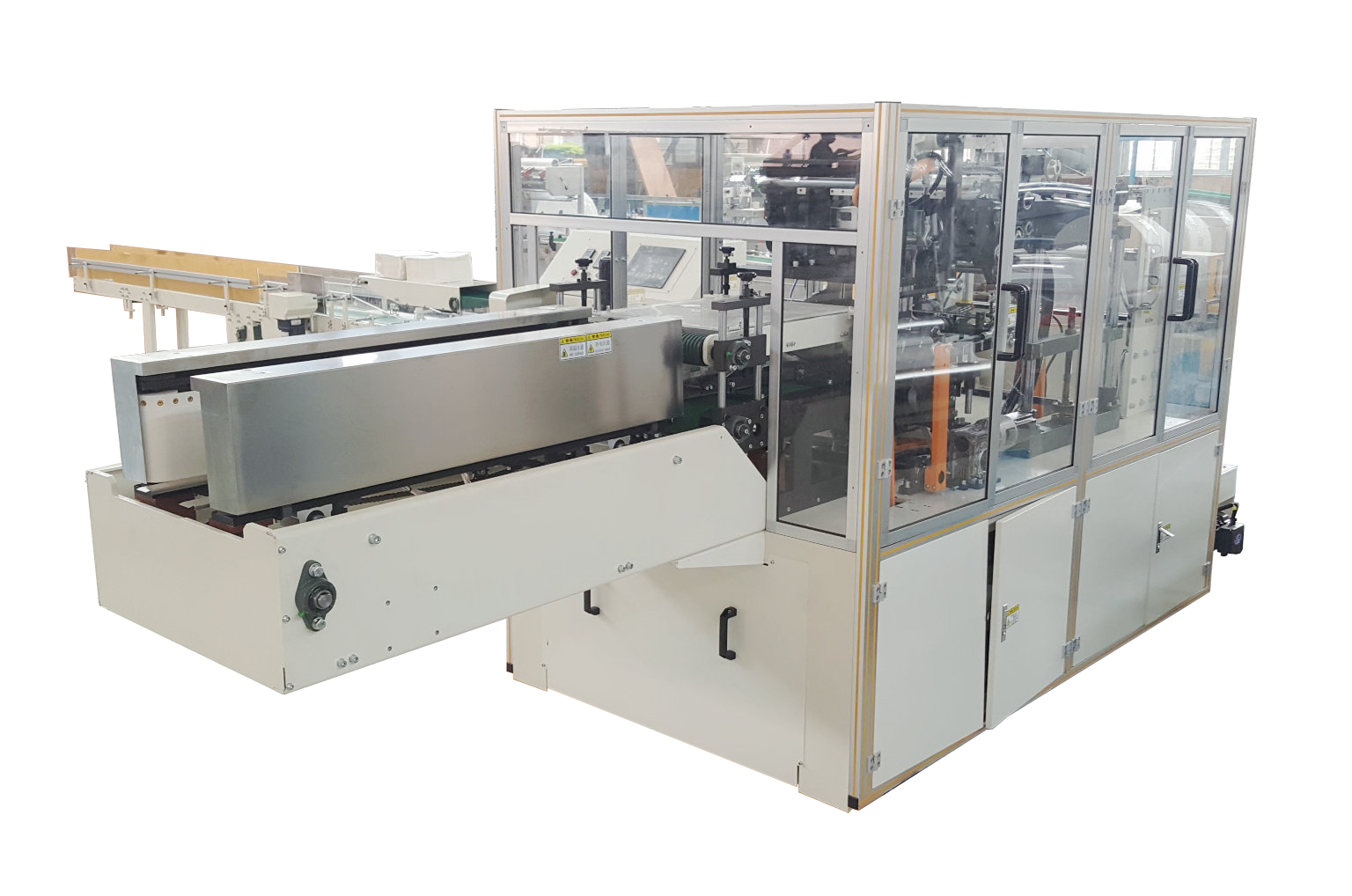
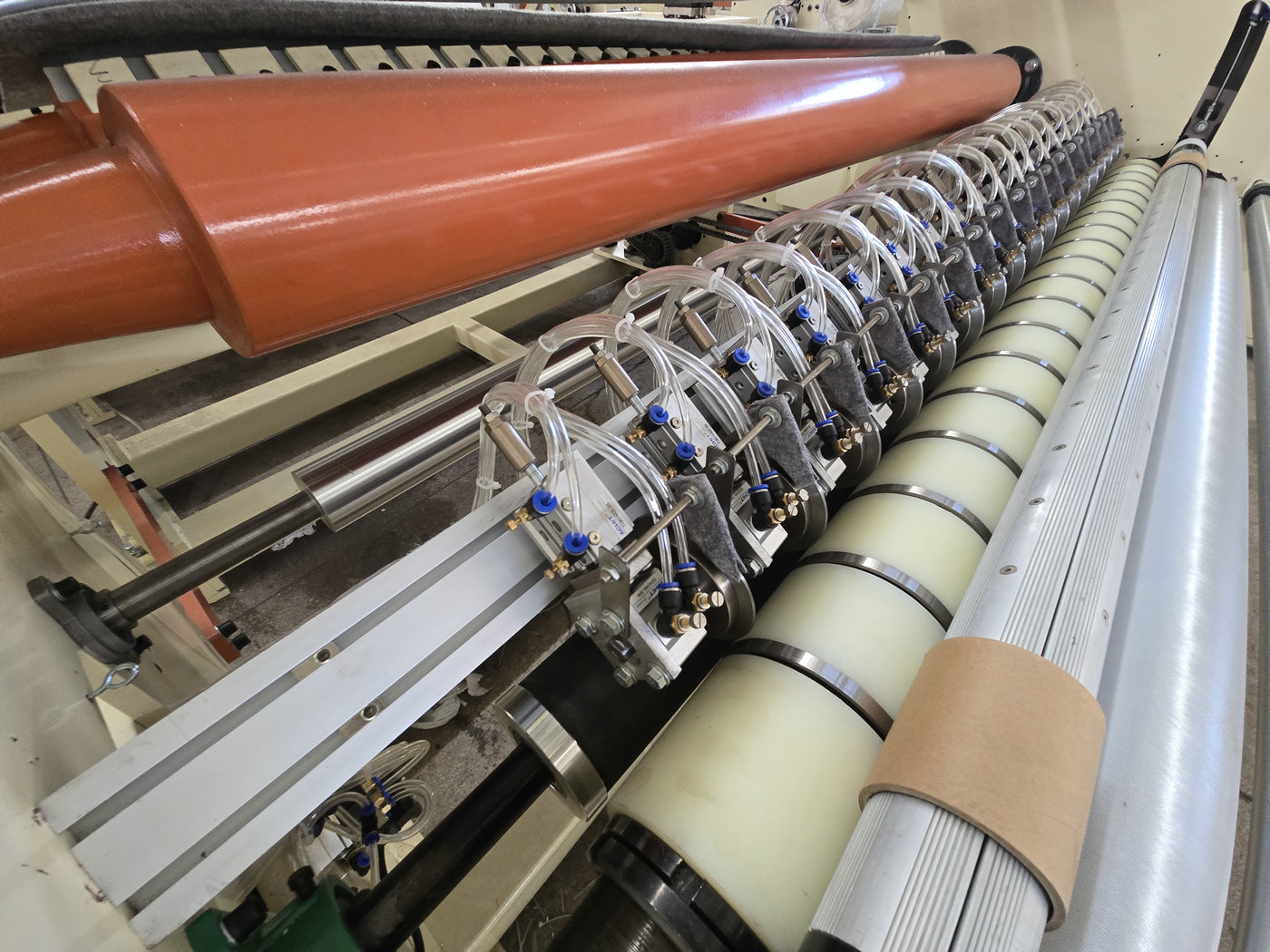
The Toilet Paper Making Machine, a marvel of industrial precision, seamlessly integrates pulping, forming, drying, rewinding, cutting, and optional packaging into one harmonious, coordinated system. As raw wood chips or recycled fibers are gently introduced into the pulping chamber, they transform into a smooth, creamy slurry, the air humming with the soft whir of machinery and the faint scent of fresh pulp. This slurry then flows into the forming section, where delicate wire screens weave it into thin, continuous sheets, each layer glistening with moisture and capturing the subtle texture of the fibers. The sheets drift onto heated drying cylinders, their surfaces warm to the touch as they absorb the moisture, emerging lighter, crispier, and infused with a clean, paper-like aroma. Next, the rewinding process begins, where the dried sheets are carefully wound onto large spools, the machine's gears turning in perfect rhythm, ensuring a steady, unbroken flow.

 EN