Toilet Paper Manufacturing Equipment | High-Speed, Custom Lines

All Categories
Toilet Paper Manufacturing Equipment for Profitable Tissue Production Lines

Toilet Paper Manufacturing Equipment for Profitable Tissue Production Lines

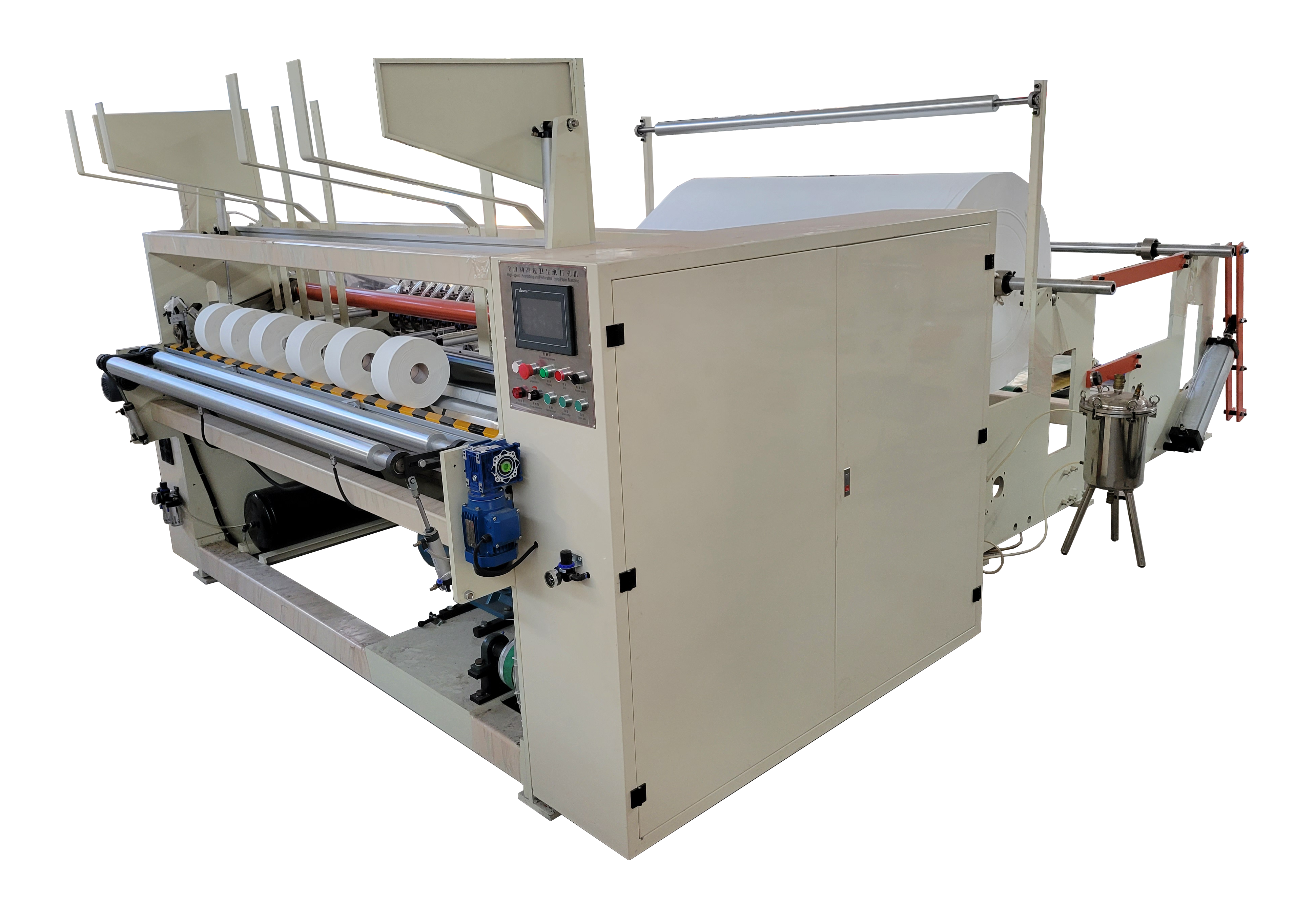
This page presents Toilet Paper Manufacturing Equipment engineered for converters and hygienic paper producers who demand reliable output, controlled cost, and consistent roll quality. It covers the complete production chain, from pulping and stock preparation through forming, drying, creping, reeling, embossing, perforating, and log sawing. Whether you are launching a new converting workshop in the Middle East, expanding a family plant in Africa, or upgrading an established line in Southeastern Europe, South America, or the former Soviet Union regions, the right Toilet Paper Manufacturing Equipment determines your daily capacity, energy consumption, and finished roll softness. The information below explains how to match machine width, speed, and automation level to your local raw material, labor, and market conditions, and how to plan installation, operator training, spare parts, and after-sales support.
Get A Quote

Advantages of the product

Proven Tissue Engineering with Over 40 Years of Development Experience

The design of this Toilet Paper Manufacturing Equipment reflects more than forty years of accumulated mechanical engineering knowledge and a dedicated research and development team that continuously refines forming, pressing, drying, and creping sections. Every unit is built to run stable at rated speed while keeping fiber loss, steam consumption, and web breaks under control. Because the machinery is developed and assembled in-house, critical components such as the Yankee dryer, headbox, suction press roll, and rewind system can be customized to the buyer’s pulp type, whether virgin wood pulp, bamboo pulp, bagasse, or recycled waste paper. This flexibility lets producers in different regions achieve target softness, bulk, and tensile strength without purchasing unnecessary options. The result is Toilet Paper Manufacturing Equipment that adapts to local raw materials instead of forcing the buyer to adapt to the machine.

Competitive Pricing with Full Lifecycle After-Sales Service

Buyers of Toilet Paper Manufacturing Equipment are not only purchasing steel and motors; they are investing in decades of support. This supplier offers factory-direct pricing because the workshop occupies more than 12,000 square meters and there are no intermediate trading markups. Installation guidance, commissioning, operator training, and remote troubleshooting are provided so that a new line reaches commercial production quickly. Spare parts availability and clear maintenance manuals reduce unplanned downtime, which is the largest hidden cost in tissue converting. For clients in the Middle East, Africa, and Southeastern Europe, sea freight consolidation and documentation support simplify import procedures. For expanding markets in South America and the former Soviet Union regions, engineers can advise on voltage, climate, and labor conditions in advance so the Toilet Paper Manufacturing Equipment arrives ready for local operating reality rather than requiring costly field modificat

Flexible Customization and Non-Standard Machine Capability

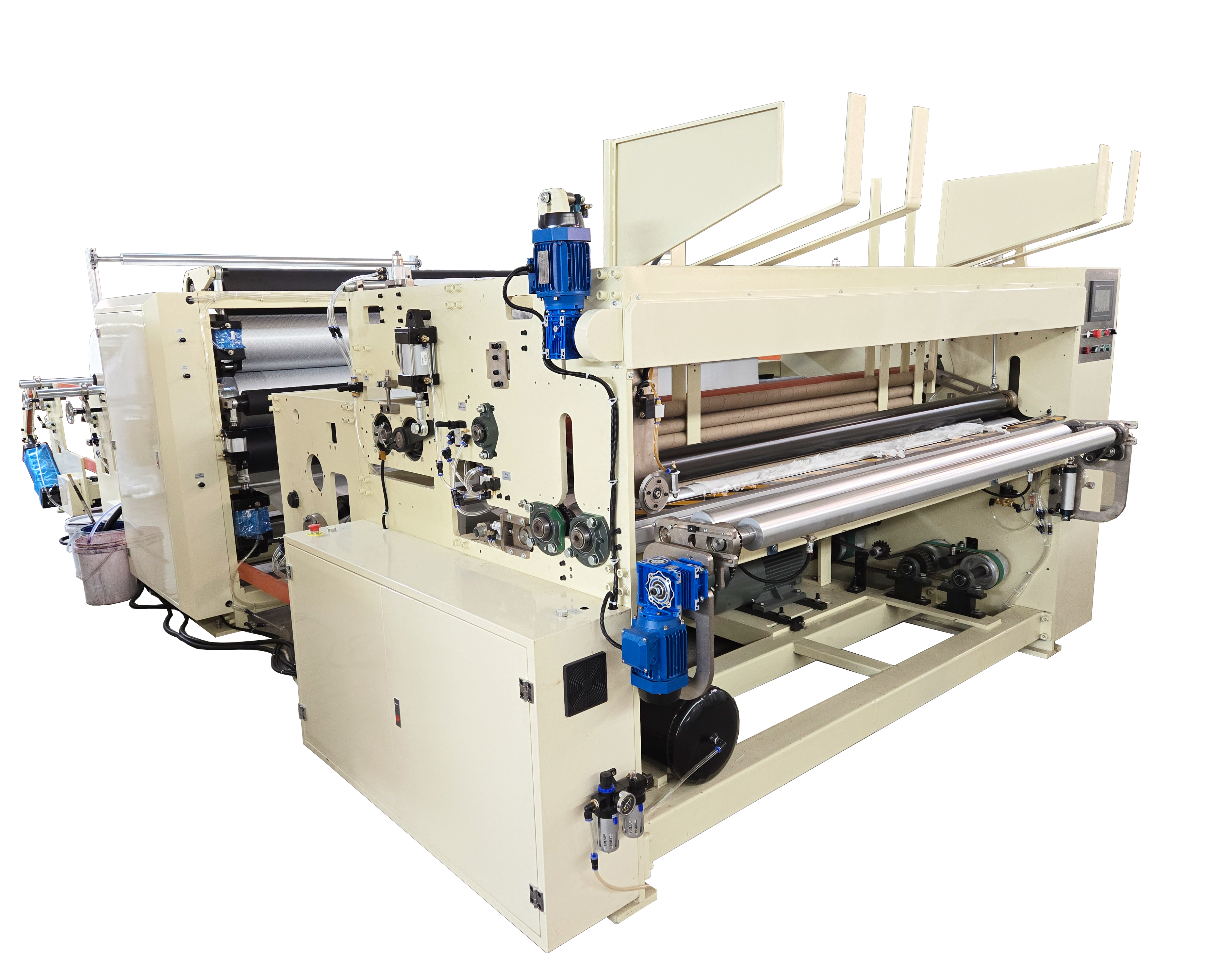
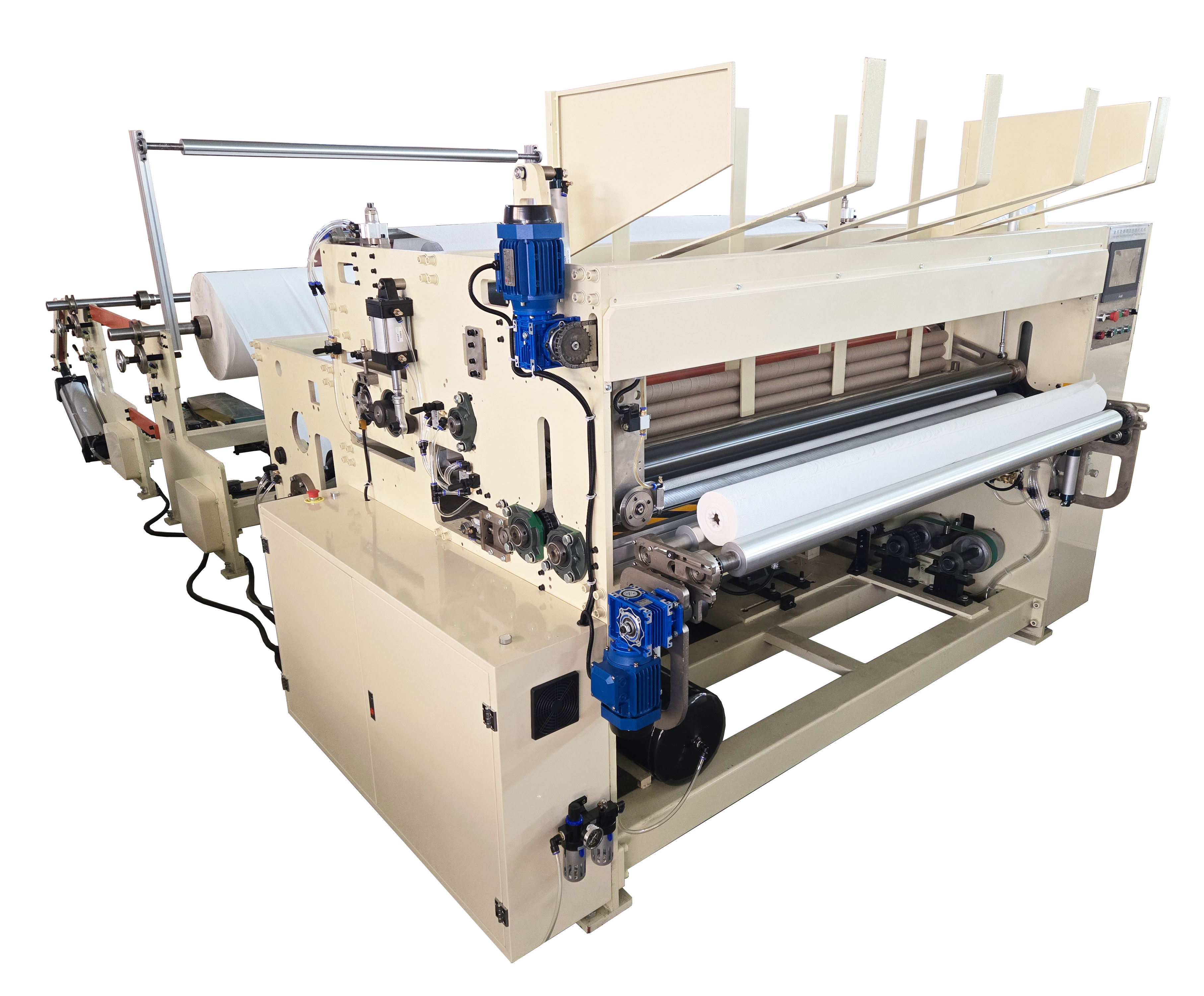
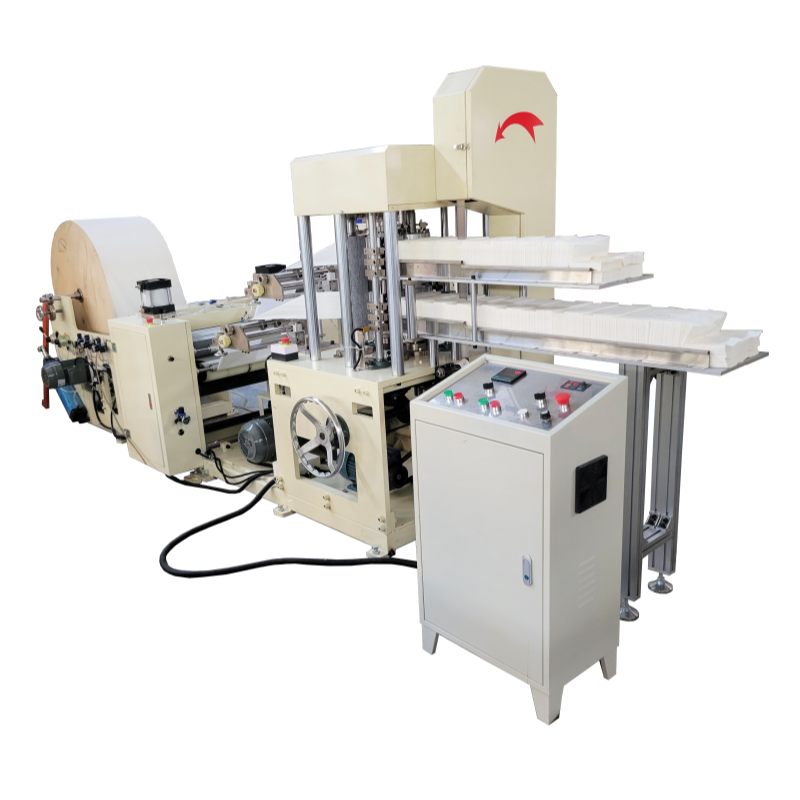
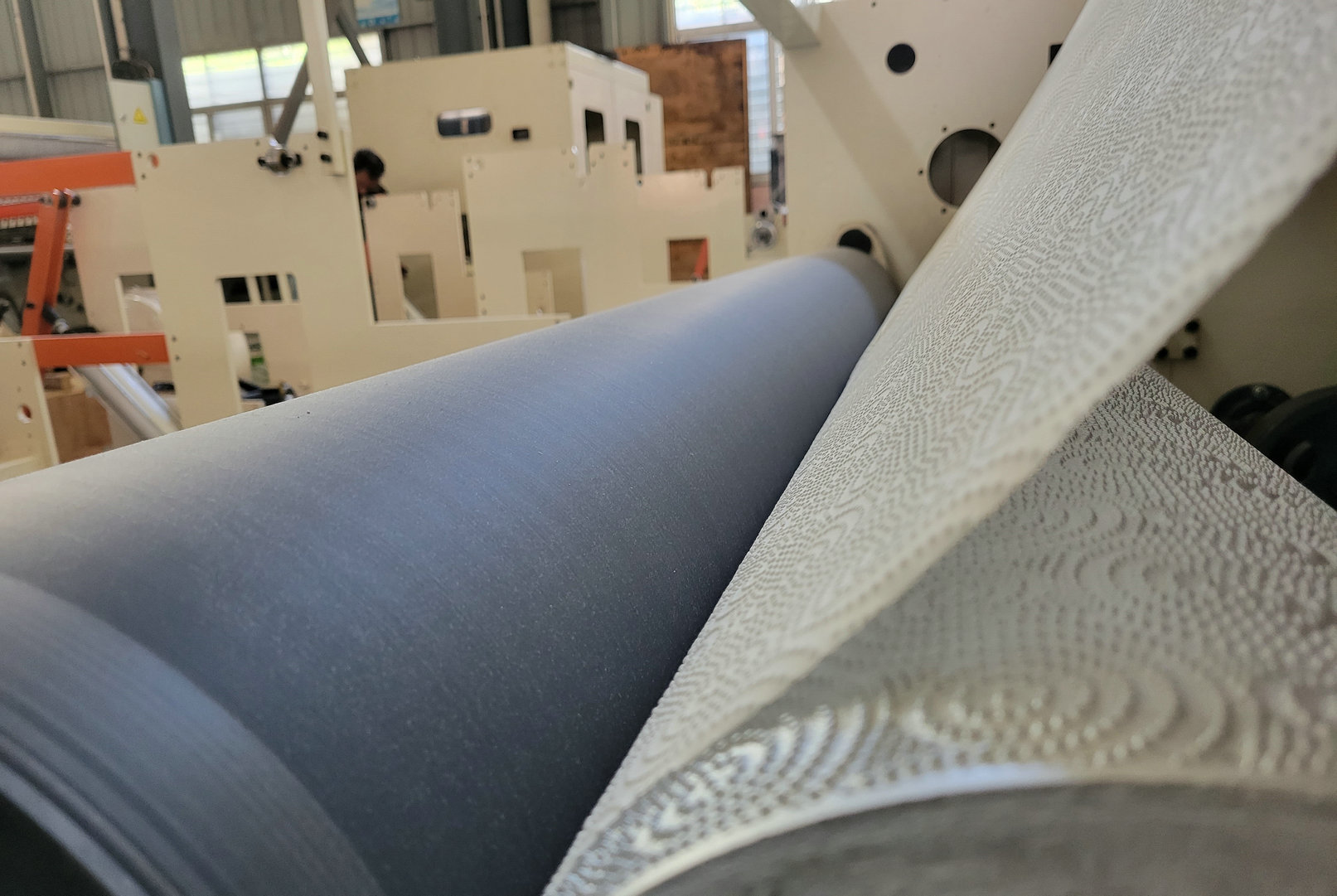
No two tissue markets are identical, so this Toilet Paper Manufacturing Equipment can be configured for different roll diameters, core sizes, embossing patterns, ply counts, and packaging formats. Standard lines cover napkin, facial tissue, and toilet roll production, while non-standard machines can be designed when a client needs a unique width, a special jumbo roll handling system, or an integrated converting workflow. This adaptability is valuable for producers who serve both domestic and export customers and need to switch product specifications quickly. The engineering team works from the customer’s capacity target, available space, and budget, then proposes a layout that minimizes material handling and maximizes operator safety. In this way, the Toilet Paper Manufacturing Equipment becomes a long-term production asset that can be upgraded as market demand grows, rather than a fixed machine that limits future expansion.

Related products

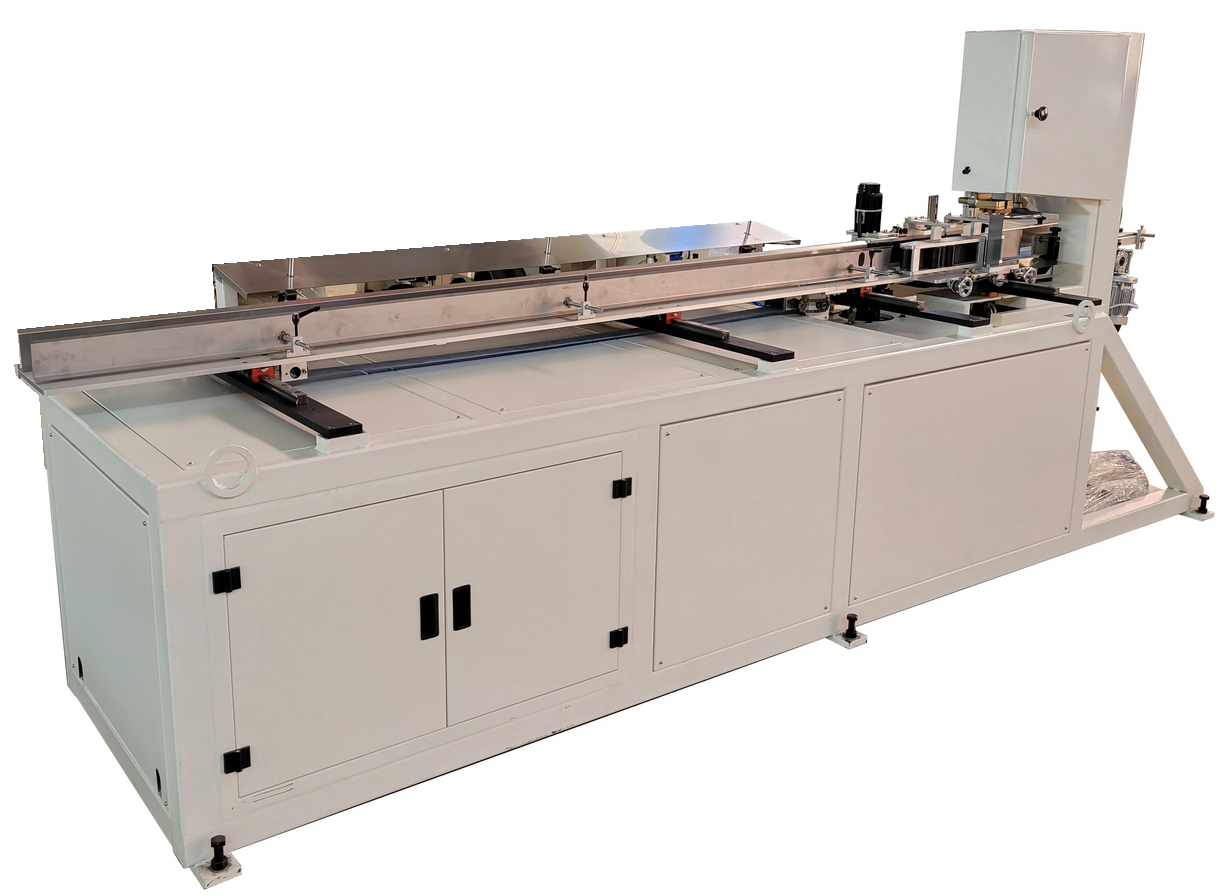
The selection of Toilet Paper Manufacturing Equipment begins with a clear definition of the target product and daily output. A producer must first decide the finished roll specifications: ply count, sheet length, roll diameter, core diameter, and embossing style. These choices determine the required parent reel width, the machine speed, and the degree of automation in the converting section. For example, a line intended for high-volume standard toilet rolls in an emerging market may prioritize robustness, easy maintenance, and moderate automation, while a line serving premium retail brands may require precise tension control, uniform perforation, and decorative embossing. The forming section influences sheet formation and fiber orientation, which in turn affect softness and strength. The drying section, especially the Yankee dryer and hood, has a major impact on energy cost per ton, so buyers should evaluate steam pressure requirements, insulation quality, and heat recovery potential. The creping doctor blade setup determines bulk and hand feel, and it must be adjusted according to pulp blend. In converting, the rewind system controls log firmness, and the log saw determines cut quality and dust generation. A well-designed Toilet Paper Manufacturing Equipment configuration balances capital cost with operating cost, because electricity, steam, labor, and spare parts dominate the total cost of ownership over a ten-year horizon. Buyers should also consider local climate, since high humidity affects paper storage and static electricity in converting, while dusty environments require more frequent filter cleaning. Training operators to monitor web tension, moisture profile, and blade wear significantly extends machine life. Finally, planning for future capacity expansion, such as adding a second converting line or increasing parent reel width, protects the original investment and keeps the Toilet Paper Manufacturing Equipment competitive as the local market matures.

Frequently Questions

What Capacity Range Can This Toilet Paper Manufacturing Equipment Achieve?

Capacity depends on machine width, speed, and grammage. Small converting lines can produce around one to three tons per day, suitable for regional or startup businesses. Medium lines commonly reach five to fifteen tons per day, while larger integrated tissue machines can exceed thirty tons per day. The exact figure should be calculated from your target roll size, shift pattern, and efficiency rate, and the supplier can prepare a capacity estimate based on your market plan.
The line can process virgin wood pulp, bamboo pulp, bagasse pulp, mixed pulp, and recycled waste paper, depending on the product grade you intend to sell. Softer premium products generally use virgin or bamboo fiber, while economy products may use recycled fiber with appropriate deinking and screening. The pulping and stock preparation section is configured according to your fiber choice, so discuss your local raw material supply before finalizing the order.
For a standard converting line, mechanical installation often takes two to four weeks, followed by commissioning and trial production of one to two weeks. A complete integrated tissue production line requires longer, typically two to four months, depending on site preparation, utilities, and foundation work. Detailed installation drawings and remote guidance are provided, and engineers can travel to the site when required.
Support includes installation instructions, commissioning assistance, operator training, maintenance scheduling, and spare parts supply. Remote troubleshooting through video calls helps resolve most issues quickly. Consumable and wear parts such as doctor blades, perforation blades, and felt are available for long-term supply, and technical consultation continues for the life of the machine.
Focus on steam and electricity consumption per ton, efficient hood insulation, proper creping blade maintenance, and stable operating speed. Avoid frequent grade changes that create waste, and train operators to keep moisture and tension within target ranges. Choosing the correct automation level for your labor cost and market also prevents overspending on features you do not need.

Related article

Regular maintenance extends toilet paper machine service life.

24

Jul

Regular maintenance extends toilet paper machine service life.

Real Factory Downtime Case Ignoring Standard Maintenance Cycles Our global after-sales technical team has provided long-term follow-up service for tissue manufacturers across the Middle East, Africa, South America and CIS areas over the past decad...
View More
Commercial toilet paper machine meets supermarket supply demands.

15

Aug

Commercial toilet paper machine meets supermarket supply demands.

Choosing suitable tissue grades is an important step in napkin paper production. The characteristics of the base paper influence machine configuration, production stability, embossing quality, folding performance, and the final appearance of finished...
View More
Empowering a Middle Eastern Paper Giant: The Leap from Semi-Automation to Industry 4.0

26

May

Empowering a Middle Eastern Paper Giant: The Leap from Semi-Automation to Industry 4.0

View More
Defining European Excellence: Tailored Napkin Solutions for an Italian Eco-Brand

26

May

Defining European Excellence: Tailored Napkin Solutions for an Italian Eco-Brand

View More

Customer Testimonials

Ahmed R.
Reliable Line That Reached Full Output in Three Weeks

We ordered a complete toilet roll converting line and were impressed by how quickly our team learned to operate it. The commissioning engineer explained tension control and blade adjustment clearly, and within three weeks we were running full shifts. Output quality is consistent, and the local after-sales response has been fast whenever we need spare parts.

Grace M.
Good Value for a Growing African Market

As a family business expanding from napkins into toilet rolls, we needed equipment that was affordable but not fragile. This line handles recycled pulp well and the maintenance is straightforward for our technicians. The supplier helped us plan the layout for a small building, and we are now supplying several regional distributors.

Get a Free Quote

Our representative will contact you soon.
Name
Email
Mobile/WhatsApp
Company Name
Message
0/1000
Complete Production Chain from Pulp to Packed Rolls

Complete Production Chain from Pulp to Packed Rolls

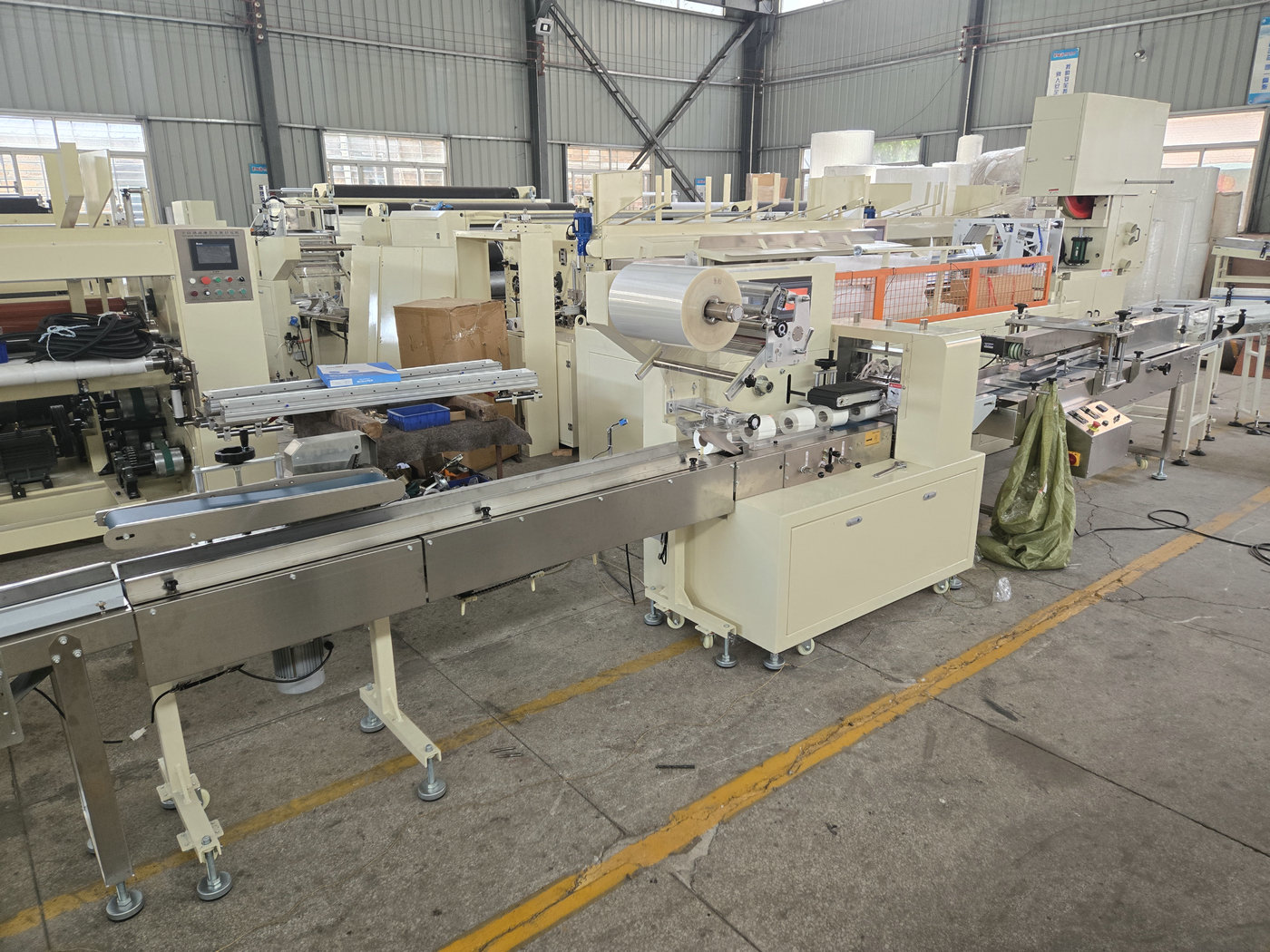
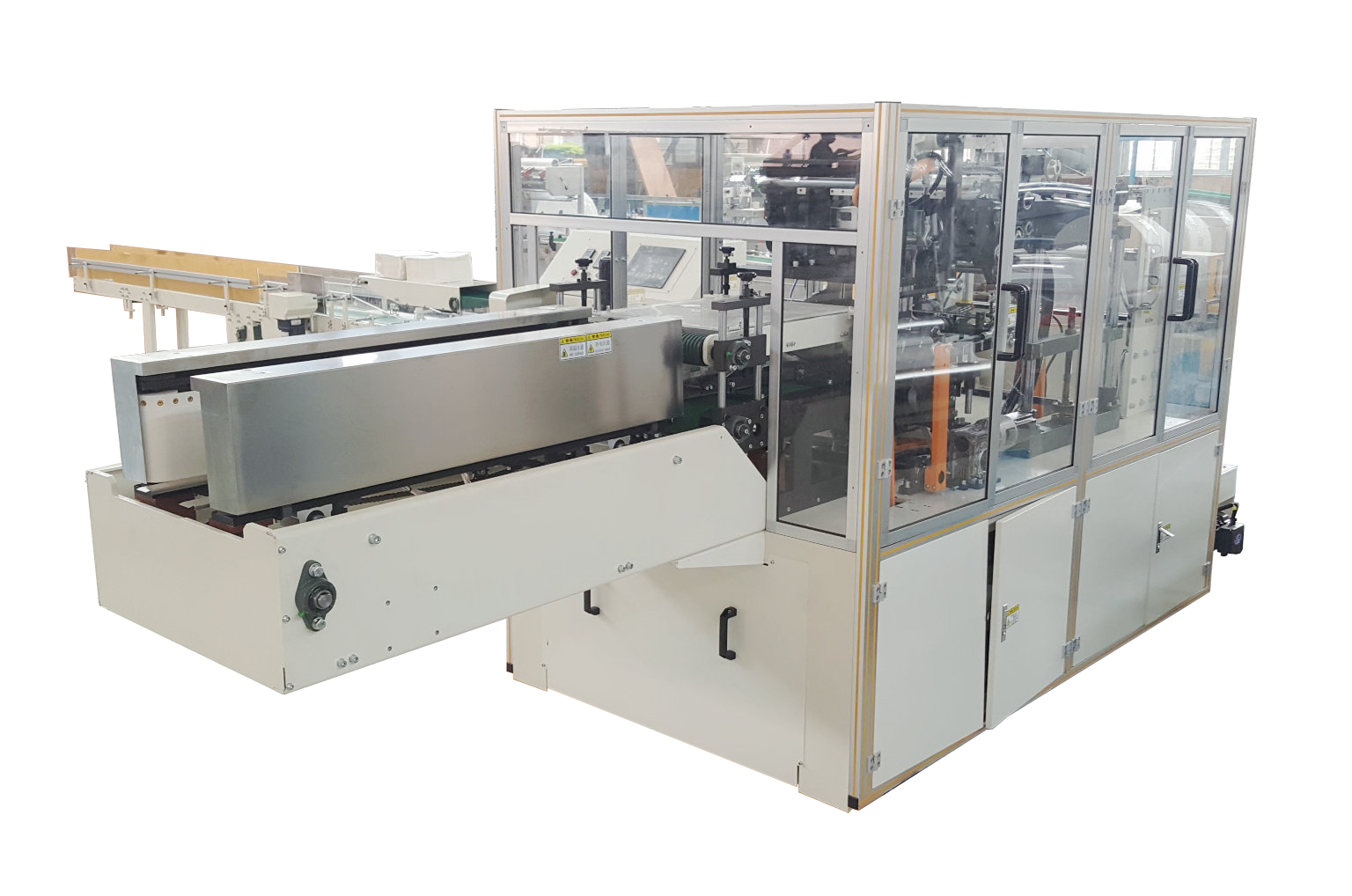
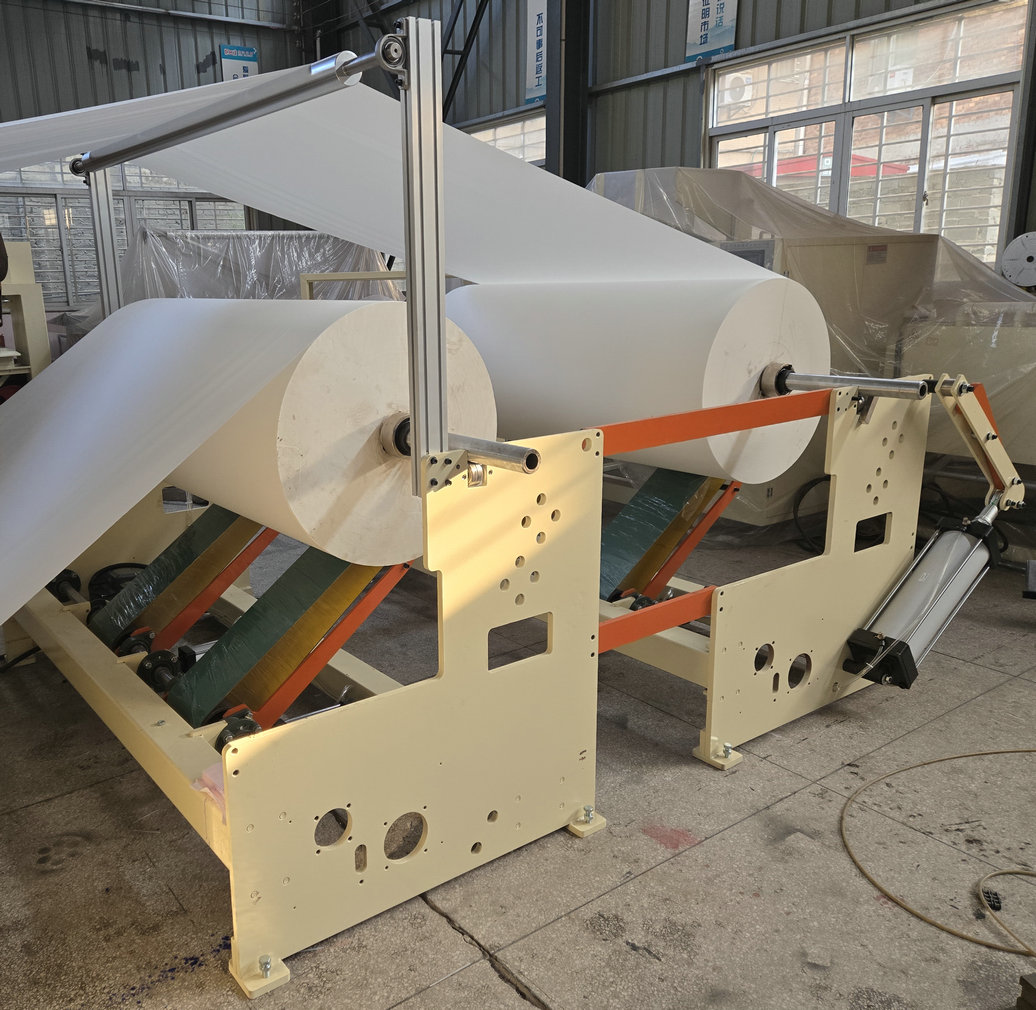
This Toilet Paper Manufacturing Equipment covers stock preparation, tissue forming, drying, creping, rewinding, embossing, perforating, log sawing, and packing, allowing a producer to build a coordinated line rather than assembling mismatched machines from different vendors. Integrated planning reduces interface problems, simplifies spare parts management, and shortens the learning curve for operators. Because each section is designed to work with the others, web tension and moisture remain stable across the whole process, which directly improves roll consistency and reduces waste.
Customizable Configurations for Diverse Regional Markets

Customizable Configurations for Diverse Regional Markets

Different regions face different raw material availability, labor costs, voltage standards, and climate conditions. The equipment can be configured with various widths, speeds, automation levels, and embossing patterns to match these realities. Buyers in the Middle East, Africa, Southeastern Europe, South America, and the former Soviet Union regions can receive guidance on local utilities and operating conditions before shipment, so the machine is ready for productive use with minimal field modification and faster return on investment.
online
onlineONLINE