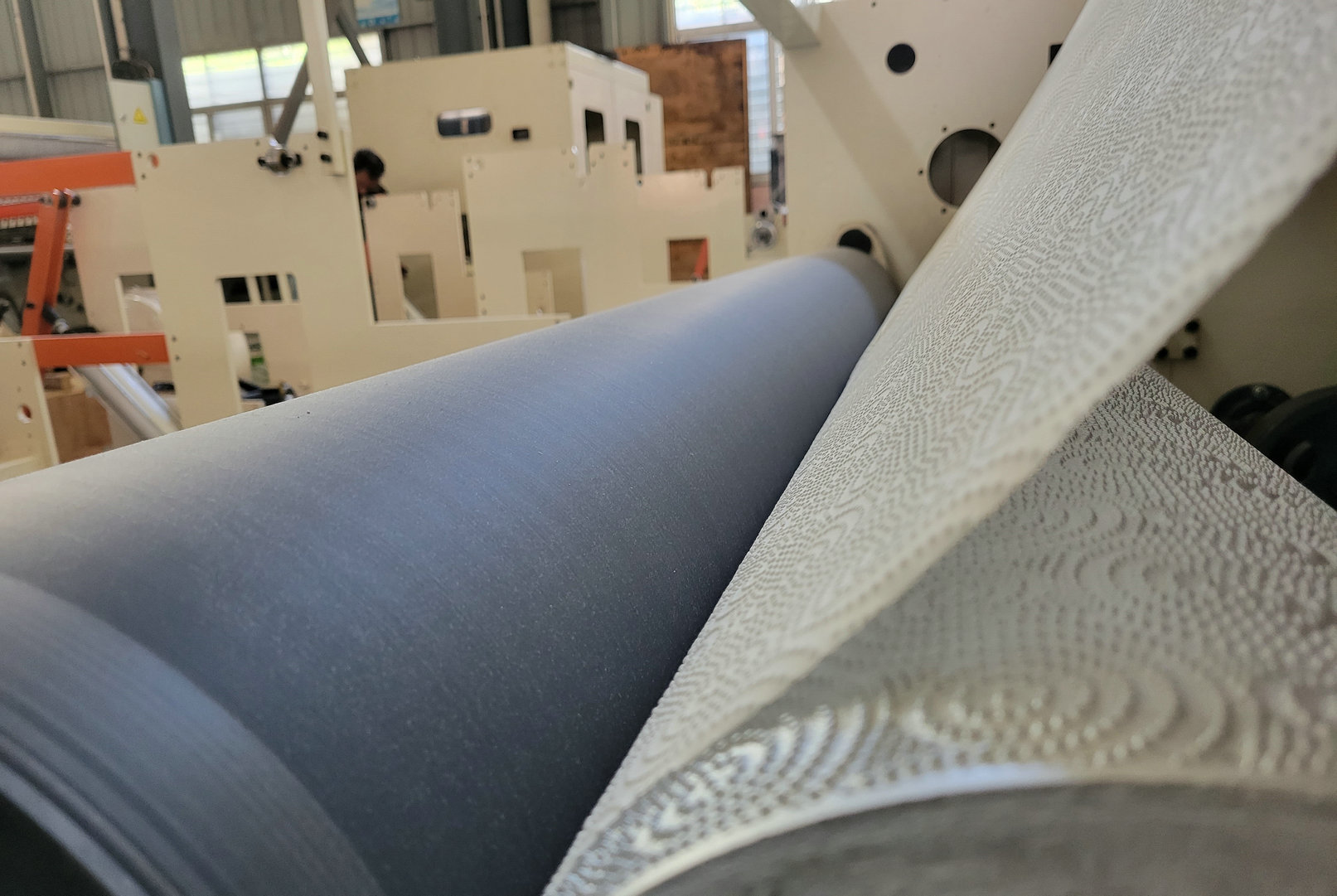
Toilet Paper Manufacturing Equipment for Profitable Tissue Production Lines
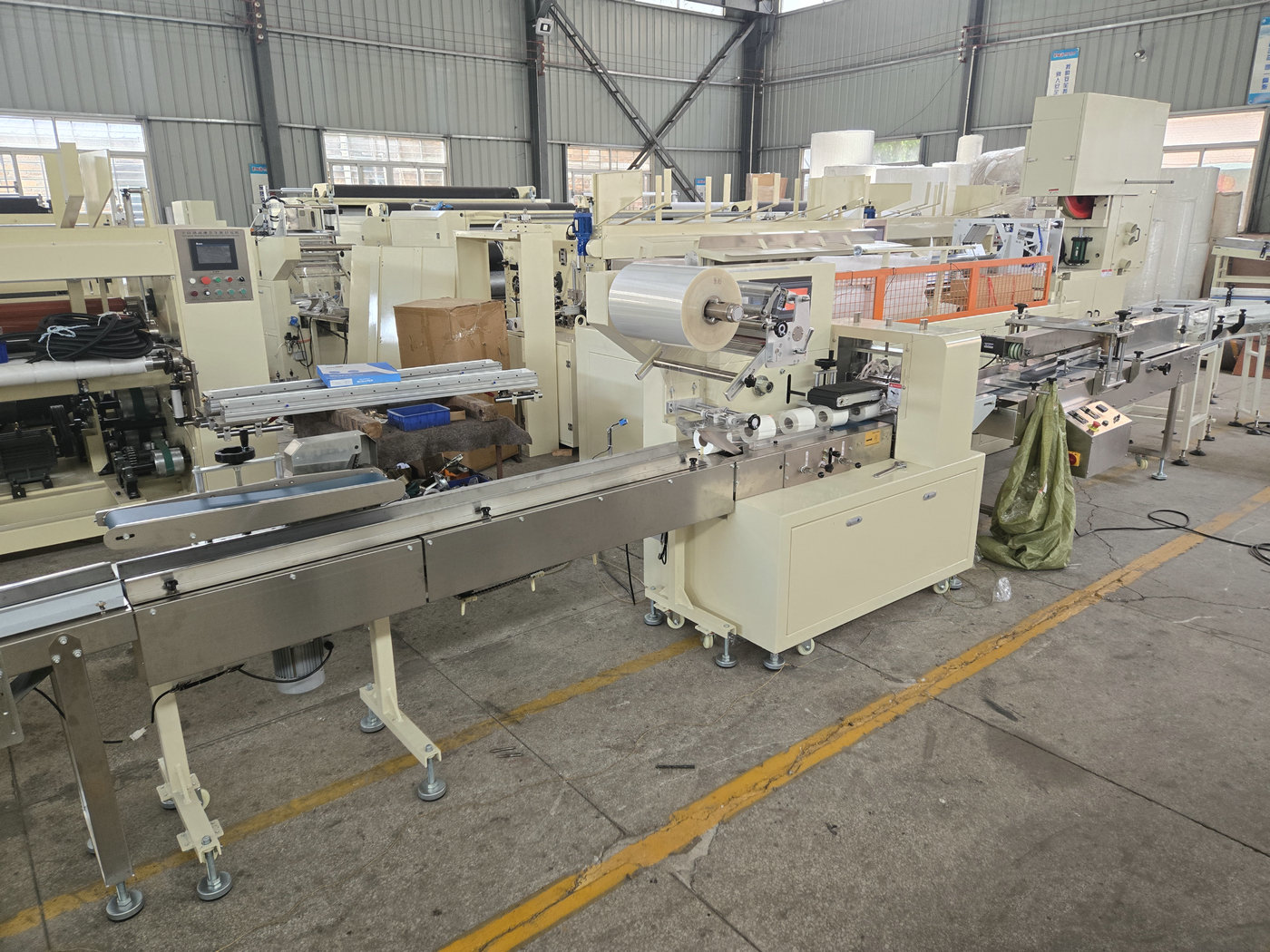
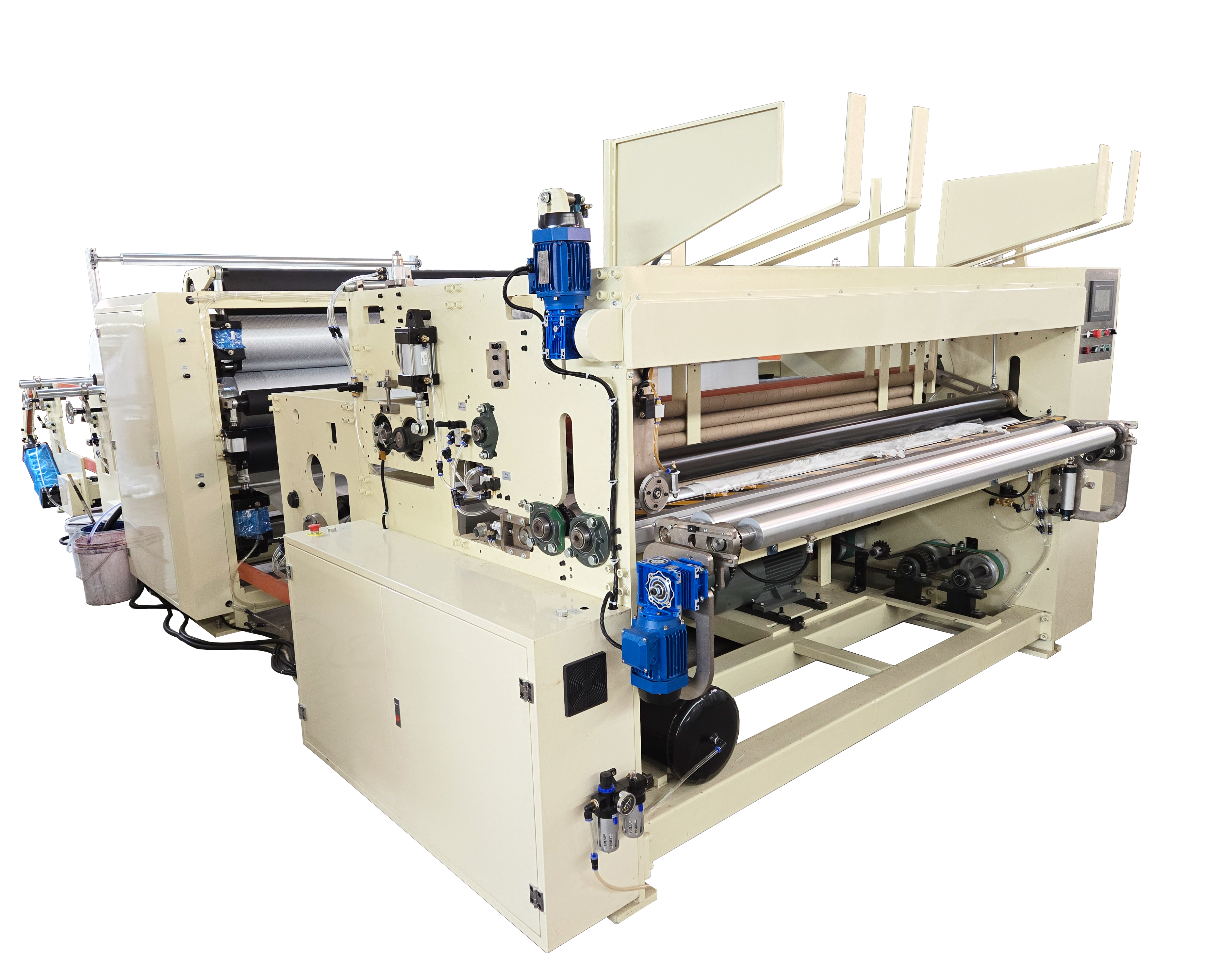
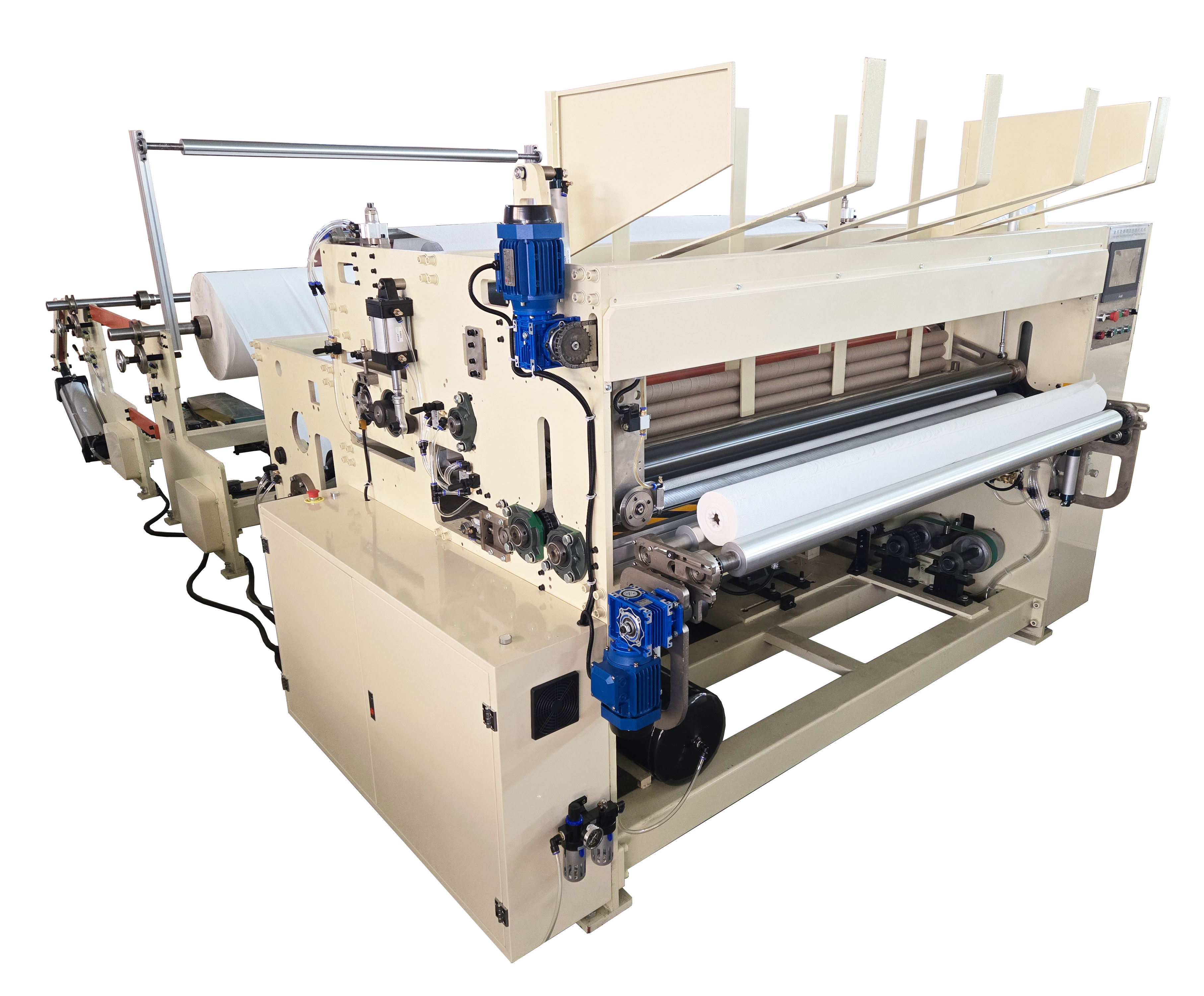
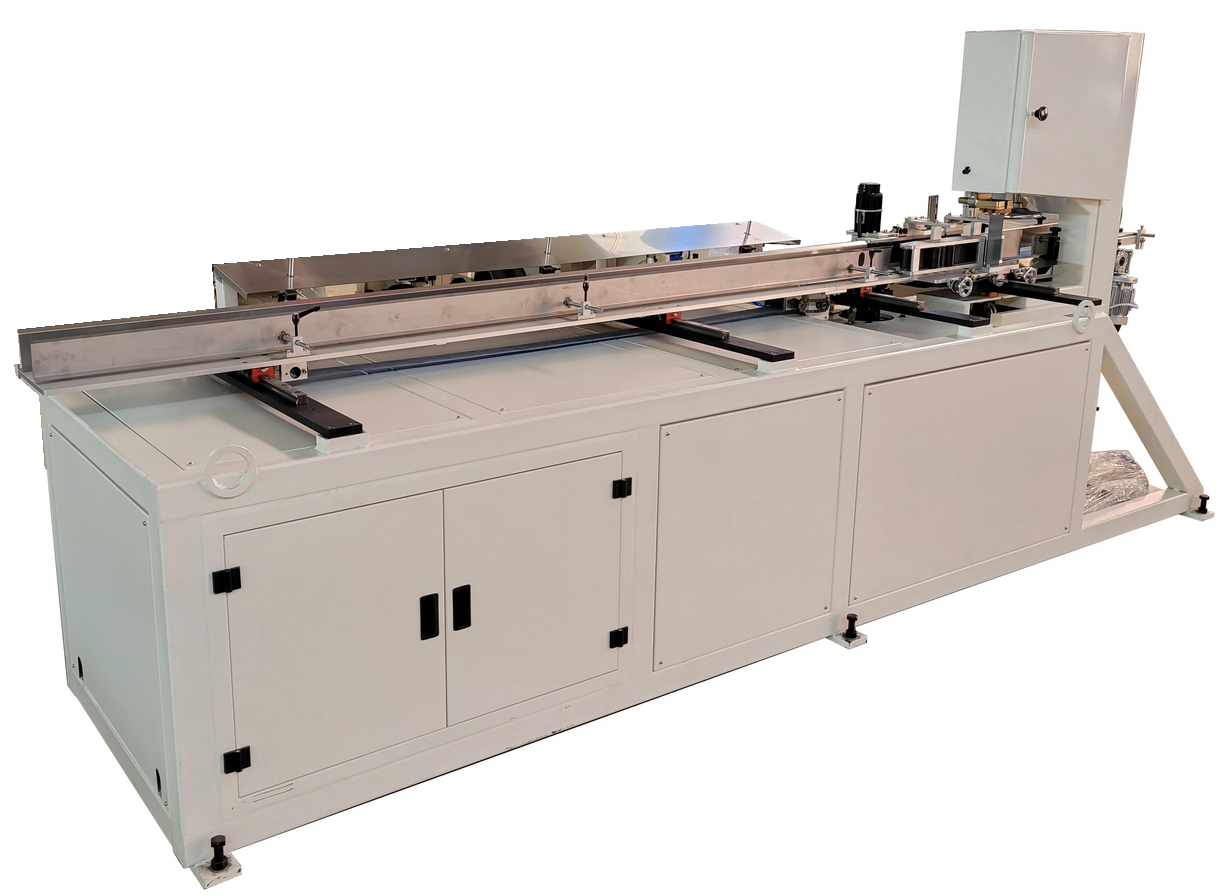
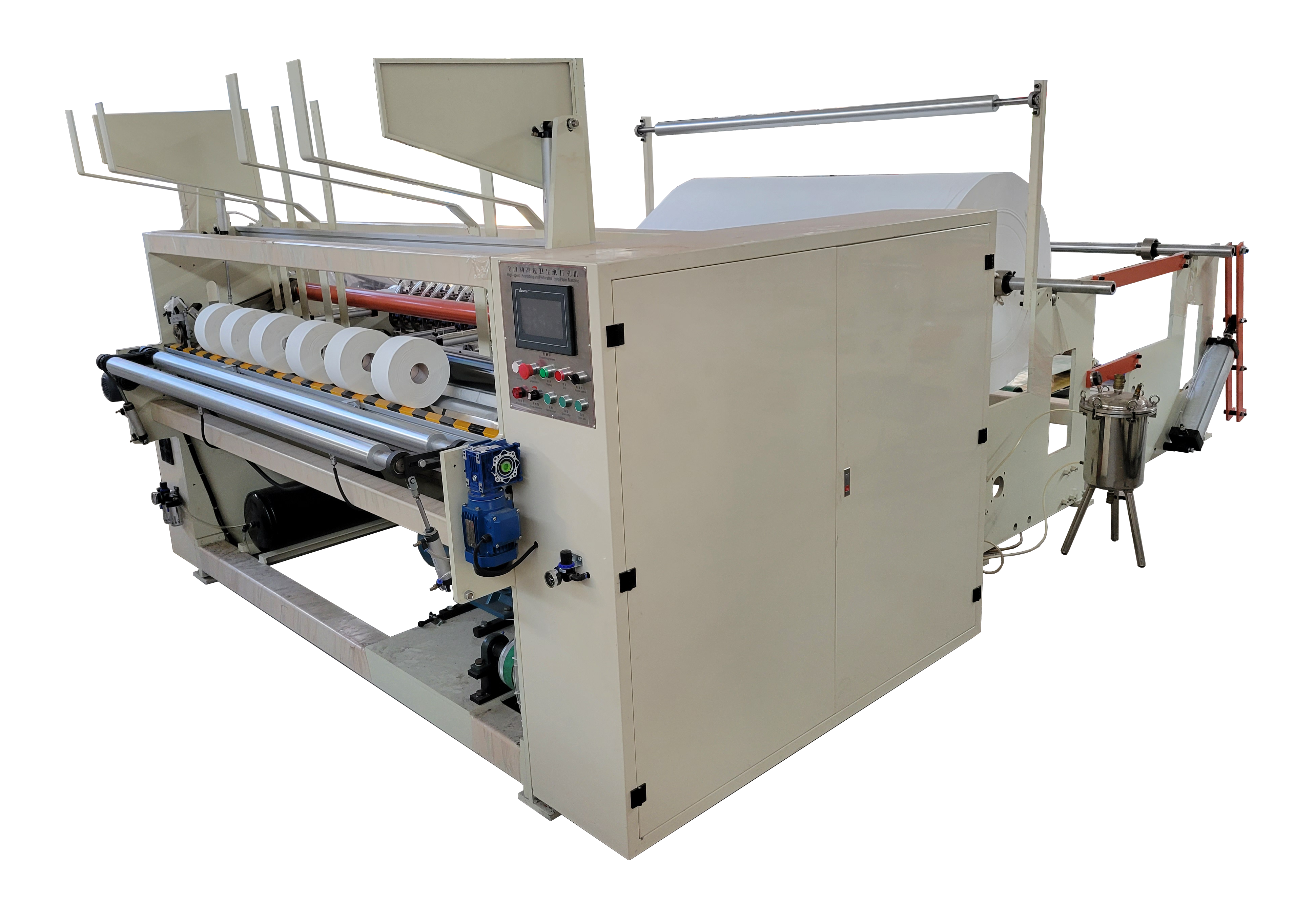
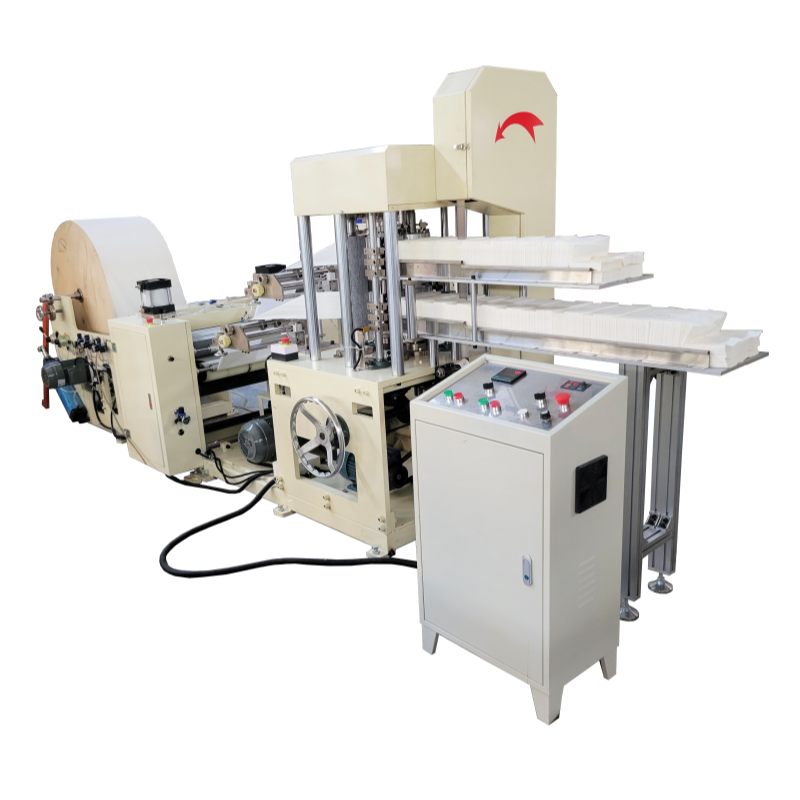
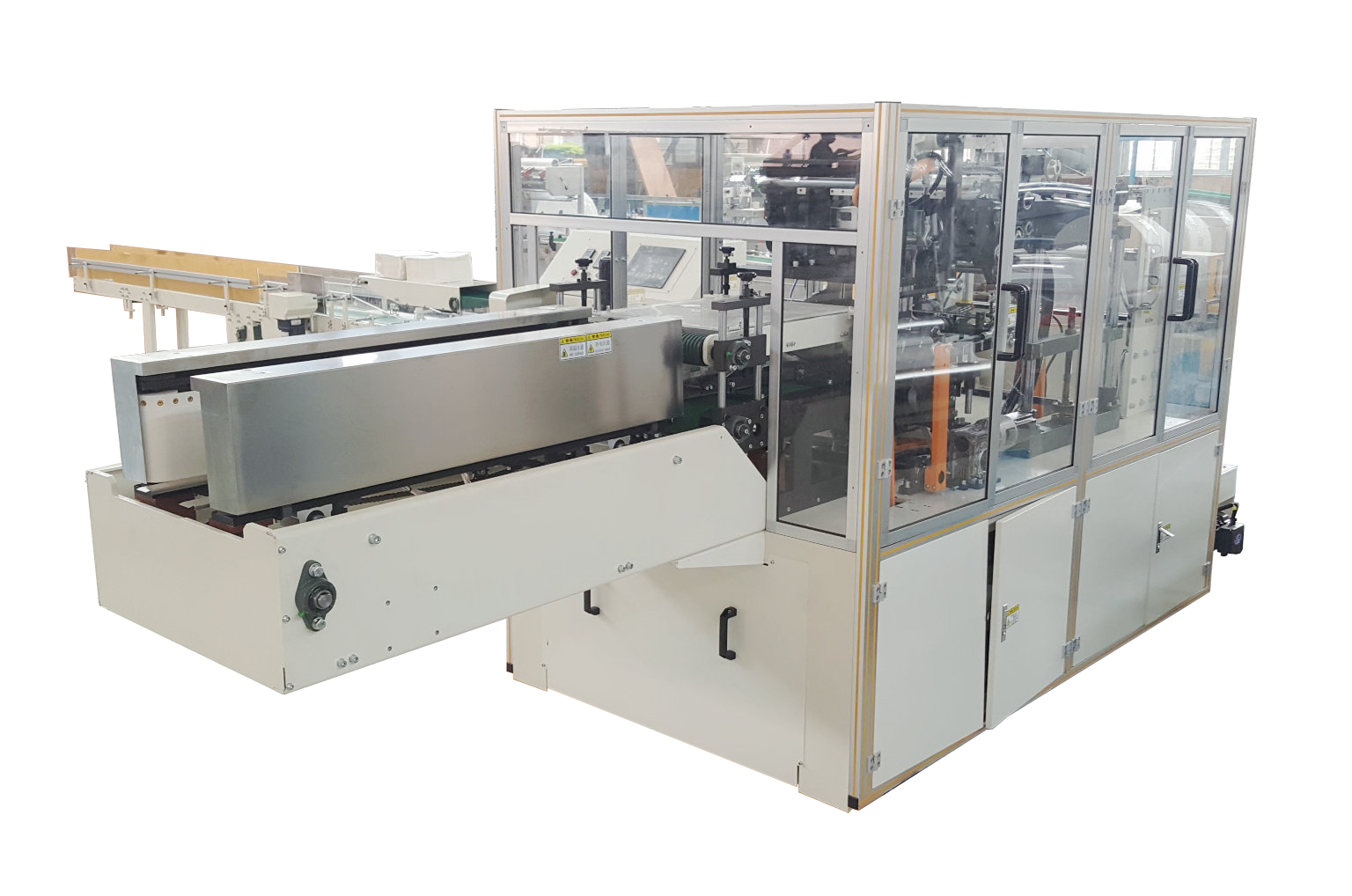
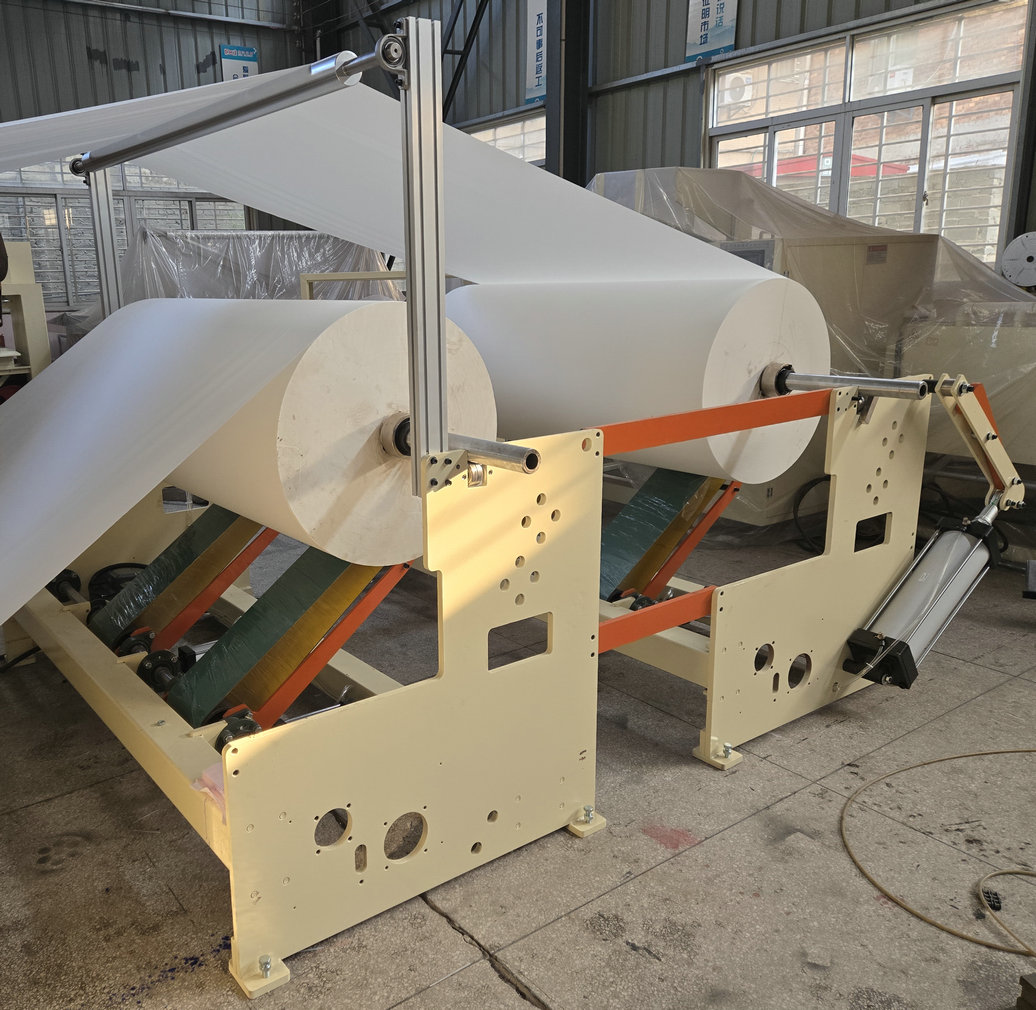
This page presents Toilet Paper Manufacturing Equipment engineered for converters and hygienic paper producers who demand reliable output, controlled cost, and consistent roll quality. It covers the complete production chain, from pulping and stock preparation through forming, drying, creping, reeling, embossing, perforating, and log sawing. Whether you are launching a new converting workshop in the Middle East, expanding a family plant in Africa, or upgrading an established line in Southeastern Europe, South America, or the former Soviet Union regions, the right Toilet Paper Manufacturing Equipment determines your daily capacity, energy consumption, and finished roll softness. The information below explains how to match machine width, speed, and automation level to your local raw material, labor, and market conditions, and how to plan installation, operator training, spare parts, and after-sales support.
Get A Quote

 EN